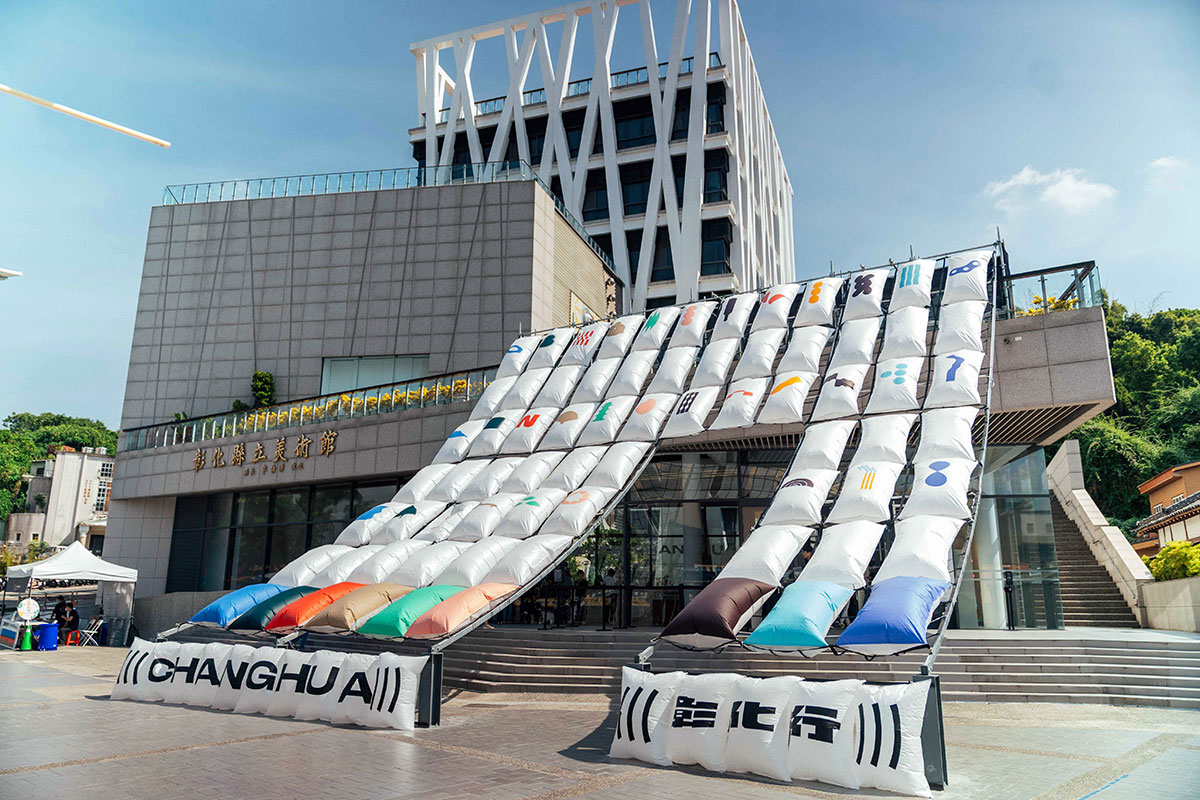
Boasting abundant agricultural and industrial resources, deep cultural heritage and internationally recognized manufacturing capacities, Changhua is a critical hub for diverse industries in Taiwan. Under the theme (((Changhua))), the 2025 Taiwan Design Expo leveraged curatorial vision and design thinking to reconceptualize this century-old and understated locale. The 2025 Expo was the largest in the event’s history, attracting over 7.84 million visitors and generating approximately NT$8 billion in economic output, with visitor satisfaction sitting at 97%. The event sparked immense enthusiastic feedback both onsite and online. The ‘Changhua Treasury Atlas’ online card collection game boasted over 1.78 million page views, demonstrating massive public engagement. Overall, the Expo successfully cultivated local pride and provided an opportunity for visitors to truly rediscover Changhua, turning a new page for the region’s future.


Not Just for Show, the Expo is a Design-Led Initiative to Unveil Changhua

In recent years, the Taiwan Design Expo, an annual occurrence that takes place in different cities, has become a highly anticipated event for people from different backgrounds. This grand event not only attracts the attention of the younger generation and the design sector, but also serves as the definitive channel for visitors to immerse themselves in a host region’s unique context and traits. Through host city-centric themes, local cultural identity and pride are bolstered. More importantly, the Expo forges a distinct city brand, cultivating regional allure. By strategically integrating design thinking into urban governance, the host city’s visibility is enhanced, and its uniqueness leaves a profound impression. These efforts ensure that the positive impact of the Expo endures long after the curtain falls, unlocking boundless opportunities for the host city’s future development.

The 2025 Taiwan Design Expo not only marked its debut in Changhua but was also the largest in geographic scope ever. The Changhua County Government adopted a county-wide activation strategy, specifically spreading the exhibition across three major areas: Changhua Area, Lukang Area, and Southern Changhua Area (Tianzhong and Tianwei). They also issued an ‘Experts Assembly Order’, which mobilized local experts, youth, and academic institutions to collaborate with the government and curatorial teams. The resulting partnership brought forth a meaningful expression of the regional spirit — a truly special move. The introduction of design thinking and curatorial vision has finally allowed this once low-key place to showcase its intrinsic expertise.


Transforming Changhua into (((Changhua))): Establishing a Vivid Brand Identity through Design Thinking, Magnifying the Region’s Versatile Expertise

The theme (((Changhua))) echoes Changhua’s historical role as the headquarters for Taiwan’s logistics, industries, and cultural exchange. Conceptualized by aaronniehworkshop, the main visual identity cleverly morphs the Chinese character for “Office (行)” into parentheses “((( )))”, and symbolizes flow, diffusion, and added value. 36 of Changhua’s most representative industries, landmarks, and historical features are featured in the supplementary graphics. Layered with gradient colors and representing the three exhibition areas, these graphics foreground Changhua’s character and create a multifaceted urban portrait.
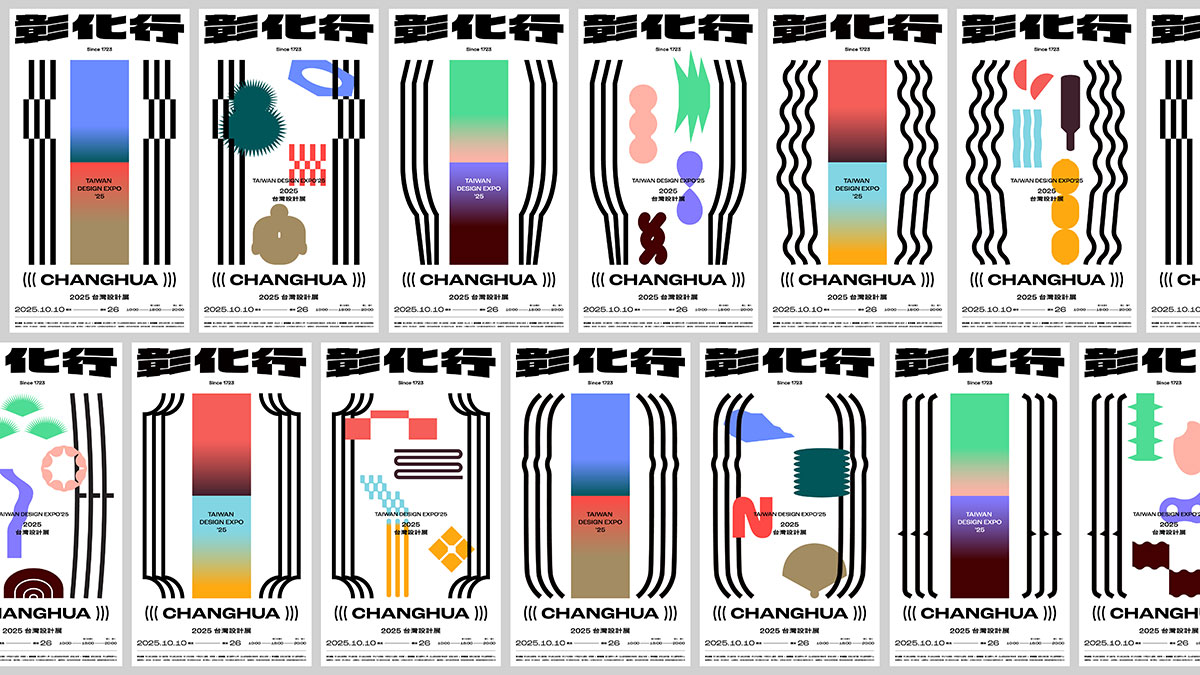
Branding for the 2025 Taiwan Design Expo was designed by aaronniehworkshop. Credit: Taiwan Design Research Institute (TDRI)

The diversity of Changhua is not only conveyed through the visual design but also forms the backbone of the exhibition, encapsulated in the form of Branch Offices. Visitors were invited to explore 15 meticulously planned Branch Offices, each revealing a different aspect of Changhua’s innate expertise, spanning its spirit, landscapes, people, authentic flavors, and collective memories. Here, tradition met the future, allowing all participants to interact and even engage in collaborative innovation to sustain the momentum of design.


Over 700 Designers Unite to Unveil Changhua’s Rich Charisma Through Design 

This year, the Taiwan Design Expo featured three exhibition areas, spanning over 315,000 ping — the largest scale in the event’s history. It also boasted 15 Branch Offices hosting 19 major theme exhibitions, 14 urban revitalization projects, 18 featured tours, and a total of 588 activities. This massive event mobilized over 700 designers, 1,600 businesses, 600 local shops, and 1,500 volunteers. The Expo not only injected fresh design energy into Changhua but also showcased the city’s innovative capabilities and elevated the residents’ confidence in the place they call home. (((Changhua))) enabled this region to flex its creative muscles.

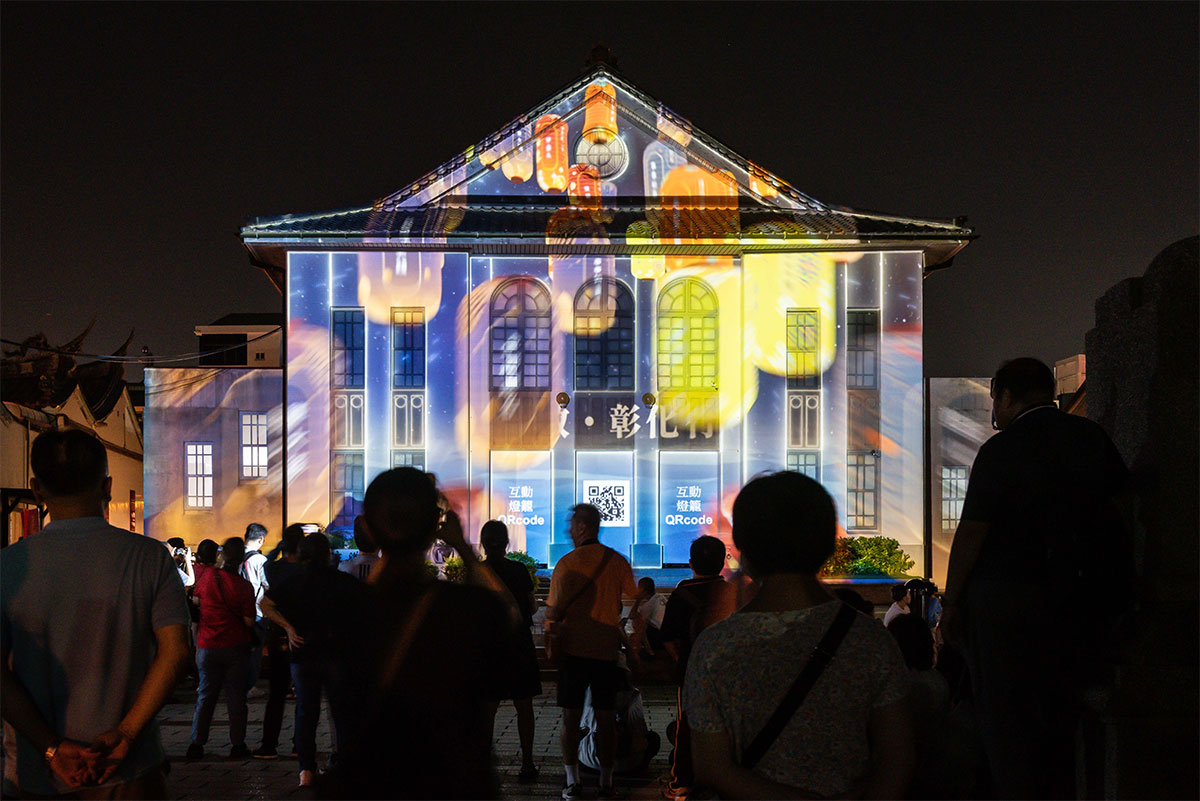
The Changhua Area introduced the daily life and industrial energy of the city, covering global-leading traditional industries, industry upgrades and cross-sector collaborations, sustainable and circular design practices, the collection of commercial district history, and local gastronomy experiences. These exhibits allowed visitors to witness the one-of-a-kind industry capacity and distinct lifestyle of Changhua. The Lukang Area demonstrated the deep cultural heritage of the region, featuring its history, culture, traditional crafts, and local faith practices, along with an exploration of the town’s dynamic and collaborative visions for the future. The Southern Changhua Area focused on the flower and horticulture industry of Tianwei and the pervasive strength of Made in Changhua products. Beyond the exhibitions, numerous programmes, including creative markets, music festivals and live performances, light shows, curated tours, and commercial district activities, were curated to share the renewed energy of Changhua with visitors and foster new collective local memories.

The Changhua AI Think Tank Multi-Dimensional Model, a digital system that preserves the collective memories of the land by incorporating diverse Changhua data from poetry, art, and history to culture. Visitors were invited to recognize, gather, and experience the diversity and future potential of Changhua’s cultural memory. Credit: Taiwan Design Research Institute (TDRI)
The Changhua Matters exhibition encouraged visitors to observe designs through Changhua's local perspective, showcasing six core qualities that define design in the region. The exhibit illustrates how (((Changhua))) unites the community from within while simultaneously connecting it with the outside world. From the dedication of old masters to youthful creativity, the designs in daily life showcased are an authentic testament to Changhua’s daily wisdom and inherent warmth. Credit: Taiwan Design Research Institute (TDRI)
The (((Manufacturing))): The Made: From Known To Unknown exhibition asserted the claim that "Before Made in Taiwan, there was Made in Changhua" encouraging visitors to observe the manufacturing world firsthand. It interpreted eight core manufacturing principles, showcasing the unique beauty of workshop elements and revealing the singular romance in Changhua's manufacturing spirit. Credit: Taiwan Design Research Institute (TDRI)
The (((Vision))) Future in Progress exhibition featured an interactive game where everyone can log in to build their own ideal city and collaborate with all other visitors to construct the future blueprint for this city. Credit: Taiwan Design Research Institute (TDRI)
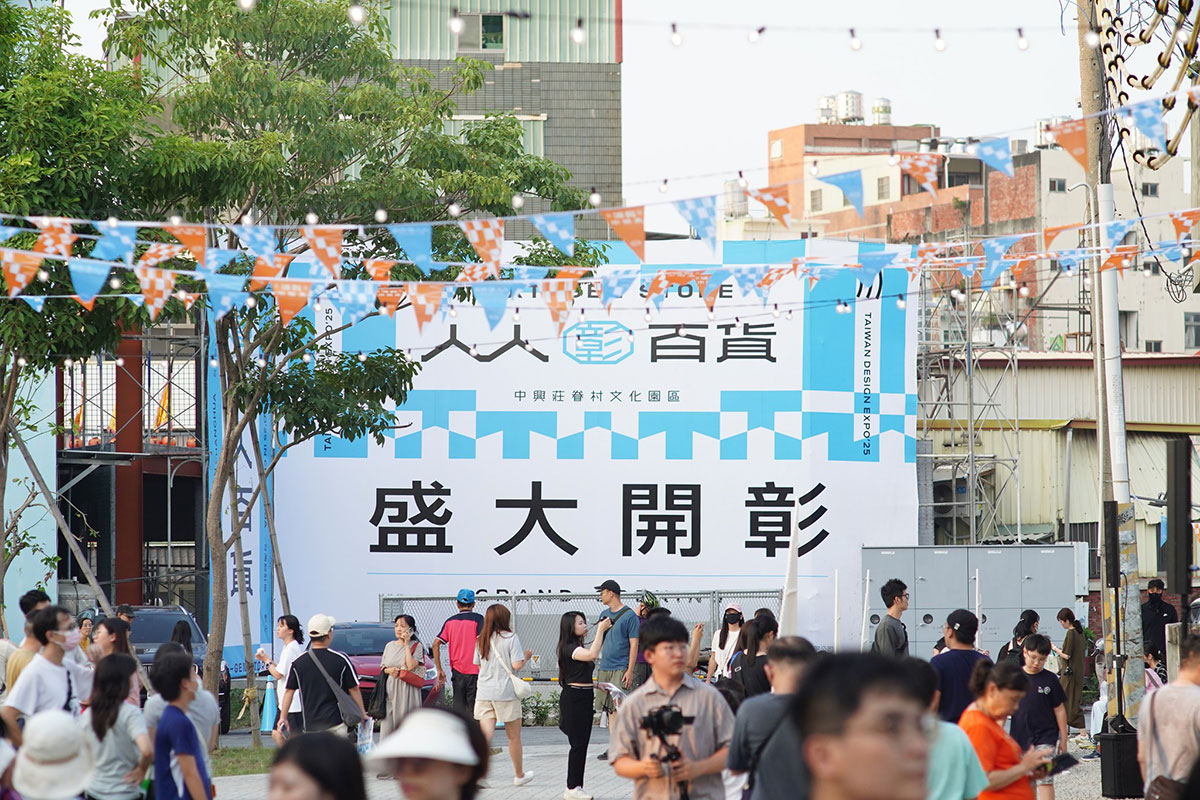
The (((Next-Gen Store))): Idea Boutique operated as a select shop. From the brands on display, spatial design to merchandising, this select shop allowed visitors to draw inspirations and engage directly with younger generations. Credit: Taiwan Design Research Institute (TDRI)
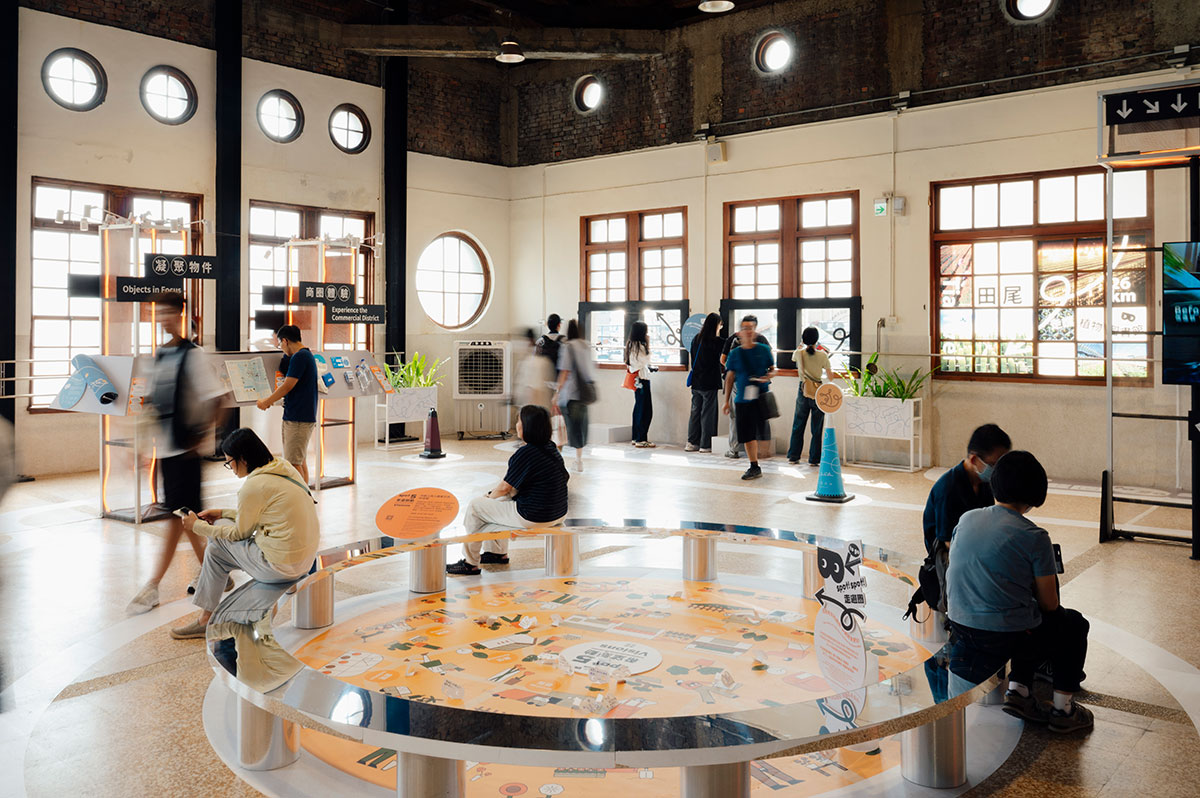
(((Commercial Districts))): spot! spot! TO GO showcased the outcomes of design revitalization of seven major commercial districts across Taiwan. Visitors were guided through Changhua City's Xiaoxi Commercial District, the area's richest in historical and humanistic heritage. Credit: Taiwan Design Research Institute (TDRI)
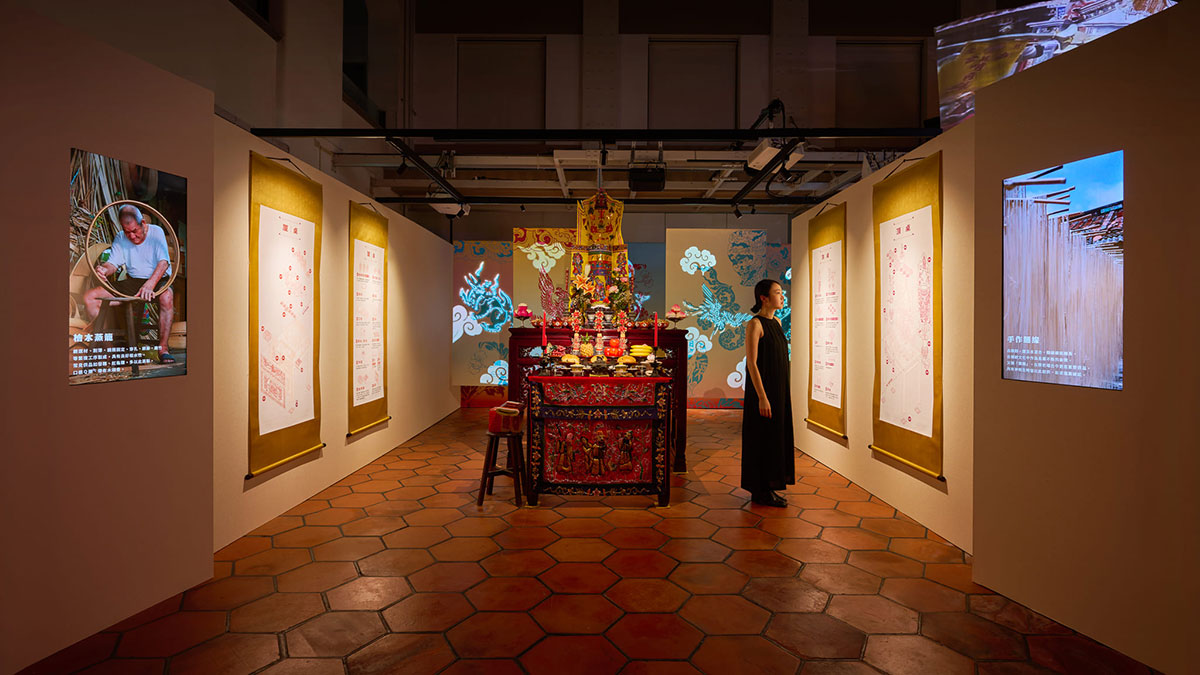
Based on Changhua’s seasonal calendar, ((( Pîng-an ))) led visitors through the region's spiritual and everyday life. The circulation of the exhibition mirrors the annual cycle of festivals, offering a board game-like collection experience that guides visitors directly into the heart of the community's worship sites for Pîng-an (well-being). Credit: Taiwan Design Research Institute (TDRI)
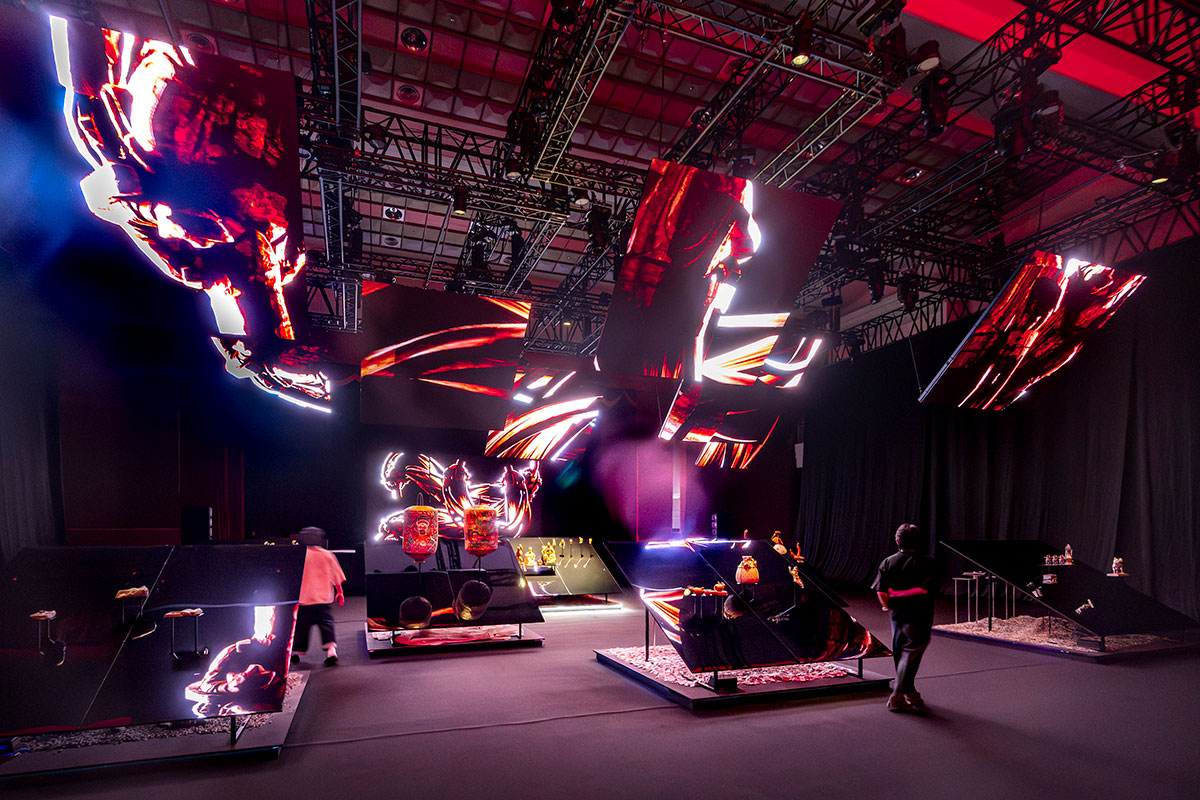
(((Cultivation))): Live in Belief delved into four major areas: landscape, history, traditional crafts, and performing arts. Using music as a thread, the exhibition subtly transformed Changhua's inherent vitality into a spatial language, converting culture into a vibrant and immersive digital performance. Credit: Taiwan Design Research Institute (TDRI)
The (((Manufacturing))): The Made: From Known To Unknown exhibition asserted the claim that "Before Made in Taiwan, there was Made in Changhua" encouraging visitors to observe the manufacturing world firsthand. It interpreted eight core manufacturing principles, showcasing the unique beauty of workshop elements and revealing the singular romance in Changhua's manufacturing spirit. Credit: Taiwan Design Research Institute (TDRI)
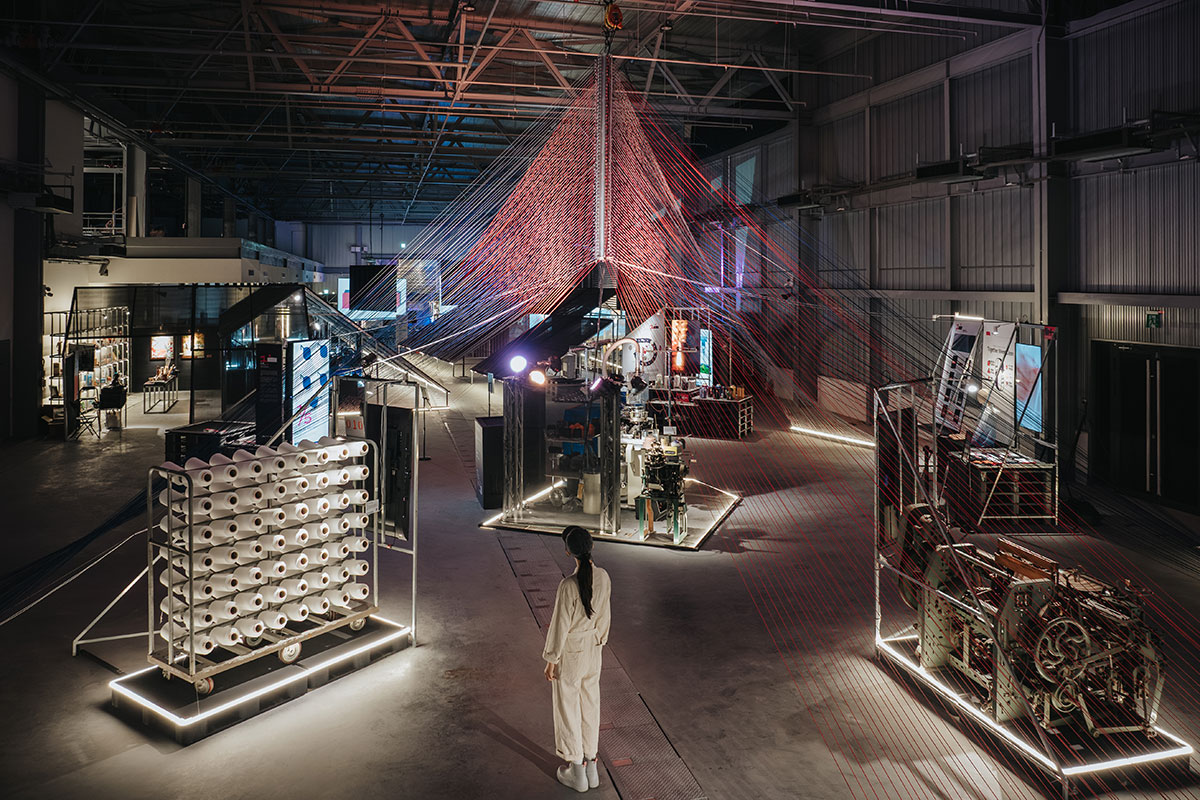
((( Champtrail ))): Made in Changhua explored the seven key facets of core Made in Changhua industries and their inherent philosophy. From familiar items such as textiles and plumbing hardware to auto parts, the exhibit revealed the resilience and internationally recognized strength of Changhua’s manufacturing sector. Credit: Taiwan Design Research Institute (TDRI)
((( Hortus ))) opened the Tianwei Highway Garden by demonstrating its work in breeding, nurseries, floriculture, and horticulture. By compiling the island's diverse plant life, it created a local flower expo experience that highlights both the beauty of Taiwan’s native flora and the industry's global competency. Credit: Taiwan Design Research Institute (TDRI)

Embedding Design Thinking into Urban Governance: Collaborative Curation and Planning between Central and Local Authorities Creates New Possibilities

In recent years, the Design Expo has been proactively promoting a strategy that embeds design thinking into urban governance instead of merely focusing on fleeting, momentary exhibitions. The most crucial change is that the preparation period has been moved up two years. This effort was led by the Industrial Development Administration, Ministry of Economic Affairs and the Taiwan Design Research Institute (TDRI) with support from the Administration of Commerce under the Ministry of Economic Affairs, the Resource Circulation Administration under the Ministry of Environment, and the Taiwan Railway Corporation. These agencies injected resources from the central government into Changhua and allowed more time for design projects to be fully implemented throughout the region. Furthermore, TDRI initiated workshops and seminars two years prior to the Expo, actively engaging various county government departments and local township offices to explore the full potential of introducing design thinking into governance. This comprehensive approach involves inputs across institutional, spatial, industrial, and policy levels. The result not only enhances design thinking within the civil service, but also turns the city into a design laboratory, therefore achieving profound and sustained local transformation.

By introducing design into play early, the depth and breadth of design integration into urban governance is significantly expanded. Beyond the execution of expo curation, innovation projects in space and industry were developed in response to Changhua’s unique characteristics. All these attempts are aimed at effectively coordinating resources to drive new experiences and a new look for the city.


Spatial Renewal: Optimizing and Upgrading the City’s Infrastructure to Elevate User Experience and Create a New Look

Design Movement for Public

Several key renovations were carried out to upgrade the public service experience, including the installation of a pedestrian-friendly zone between the Changhua County Public Library and Zhong Xing Zhuang Cultural Park of Military Veteran Village; the transformation of the Baguashan Skywalk; the service space design for the Beidou Health Station and Long-Term Care Center; and improvements to the Jiji Railway Line wayfinding system and infrastructure upgrade for Ershui Station.

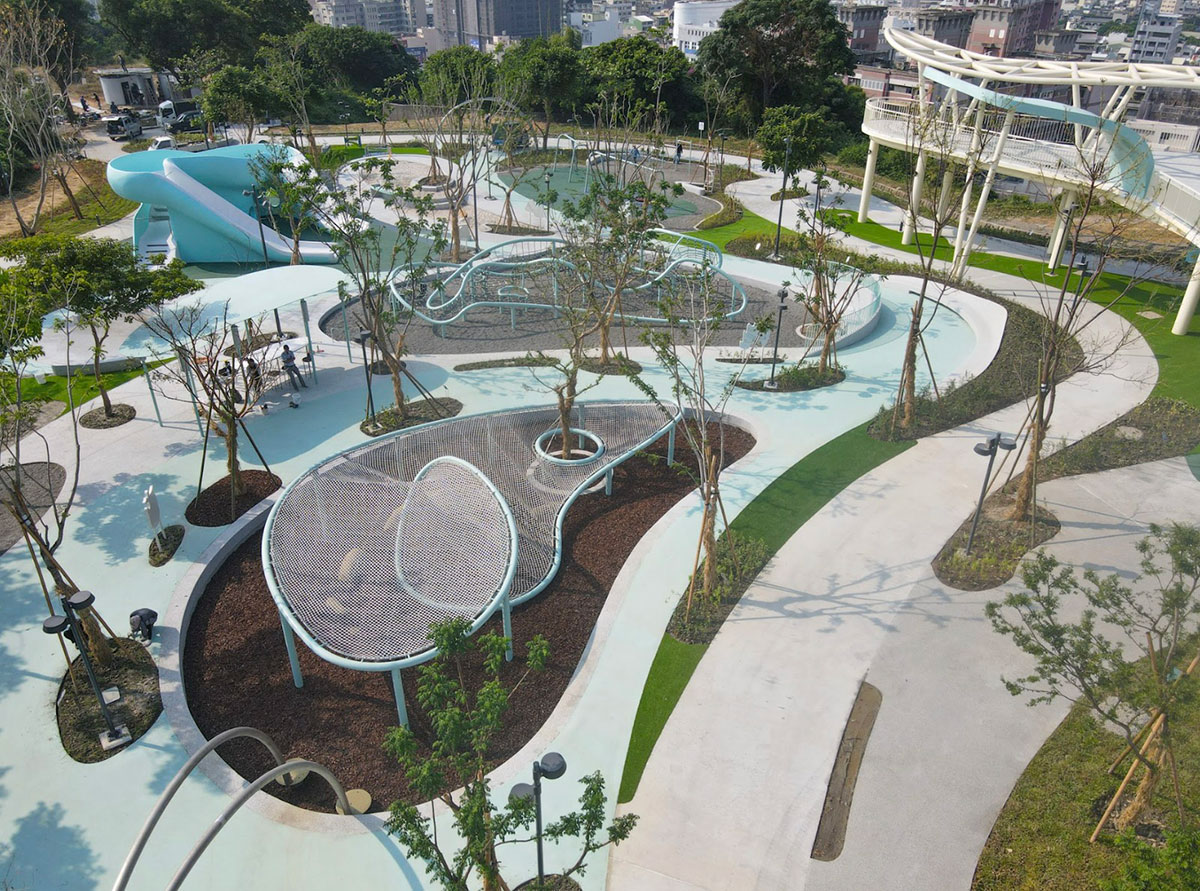
The Baguashan Skywalk was transformed from a playground into a tourist destination, combining natural elements with recreational design to deliver a new type of inclusive play space. Credit: Taiwan Design Research Institute (TDRI)

Changhua Station and Roundhouse Renovation

Besides upgrades for the wayfinding system of the train station to enhance the public service quality of this major transit hub, the Roundhouse also optimized its visitor circulation: the entire path, from the entrance to the rail display area, was redesigned with new routes and signage.

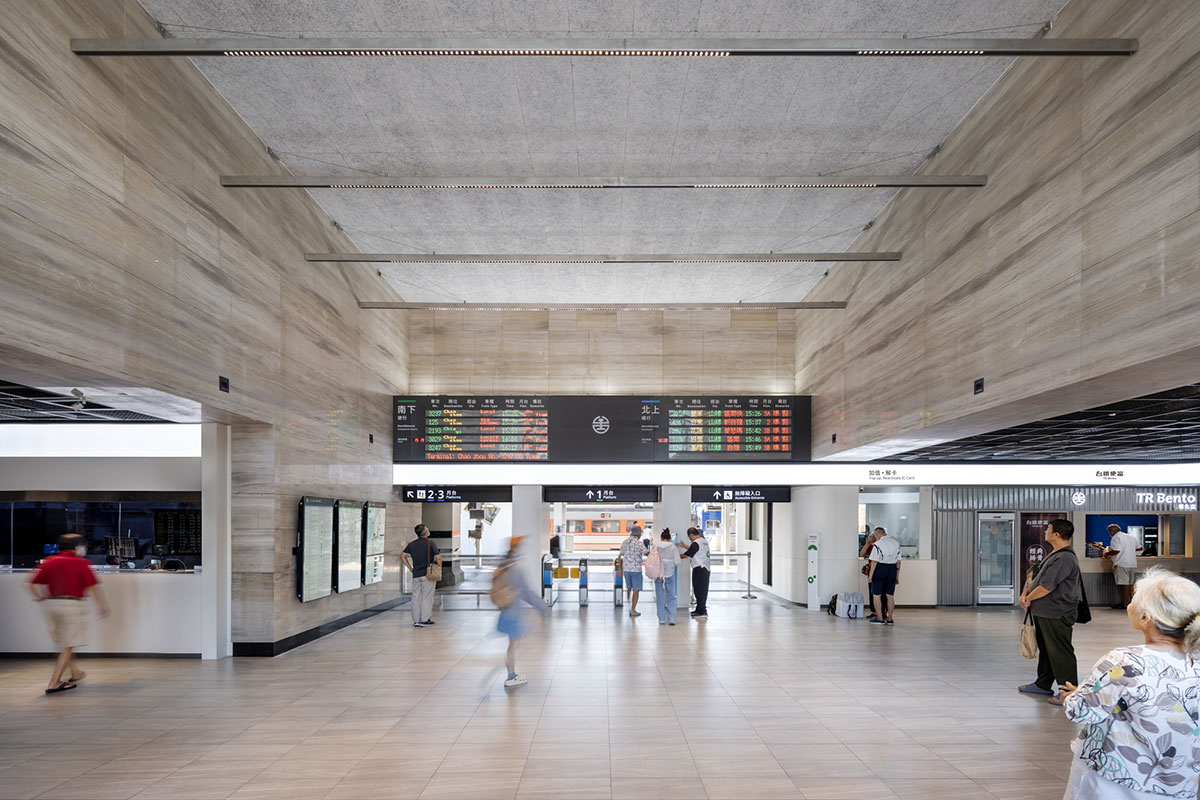
The Renovation of Changhua Station project utilized light and color to redefine the visuals of this travel facility, strengthening both service functionality and visual guidance. This effort ensures that the station provided a friendly experience for all users, refocusing the site on fundamental purpose. Credit: Taiwan Design Research Institute (TDRI)

Siaosi Business District Design Renovation

The project transformed the previously intangible and dispersed hotspots within the business district into a tangible and continuous living space. In addition to restructuring public spaces, the project also provided advisory services for 14 businesses. Through the introduction of design thinking, brand images and physical spaces were optimized, continually driving the business district toward establishing its brand identity.

Siaosi Business District Design Renovation saw the restructuring public spaces, provided advisory services for 14 businesses. Credit: Taiwan Design Research Institute (TDRI)

Industrial Innovation: Developing Strategy and Conquering Future Challenges through Design-Driven Industry Upgrades

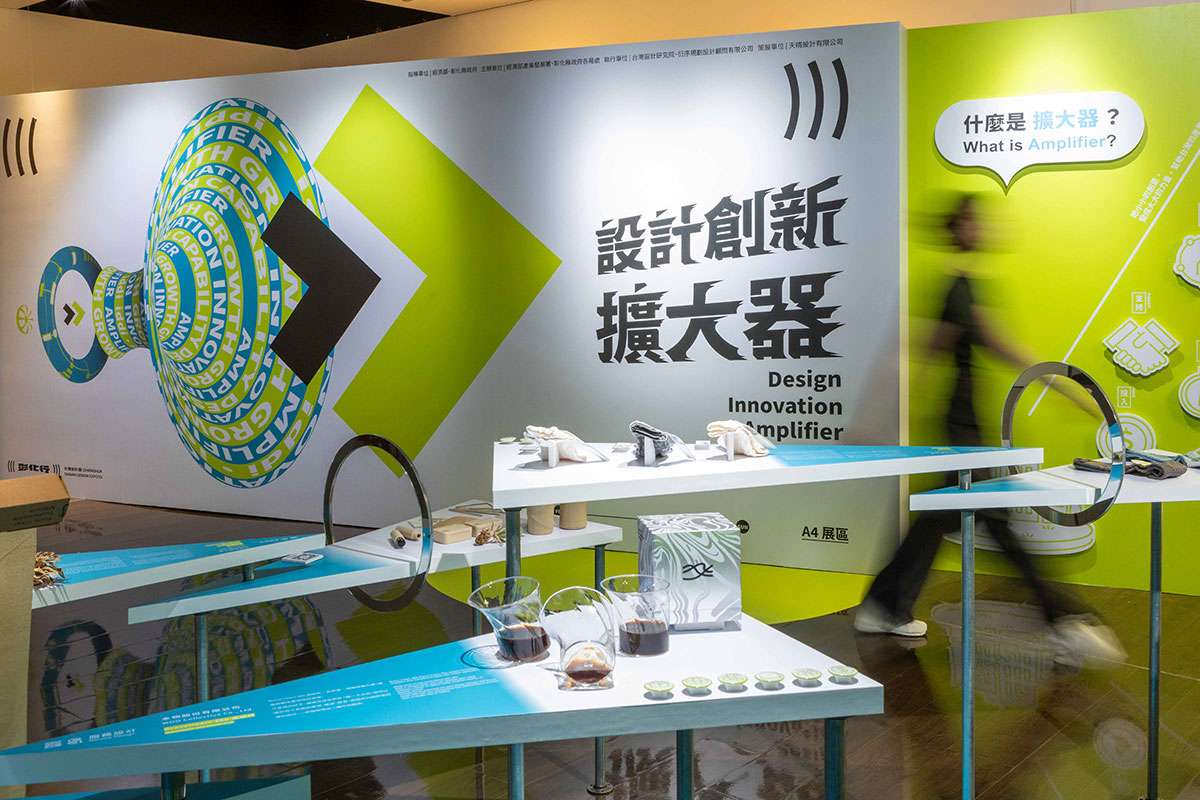
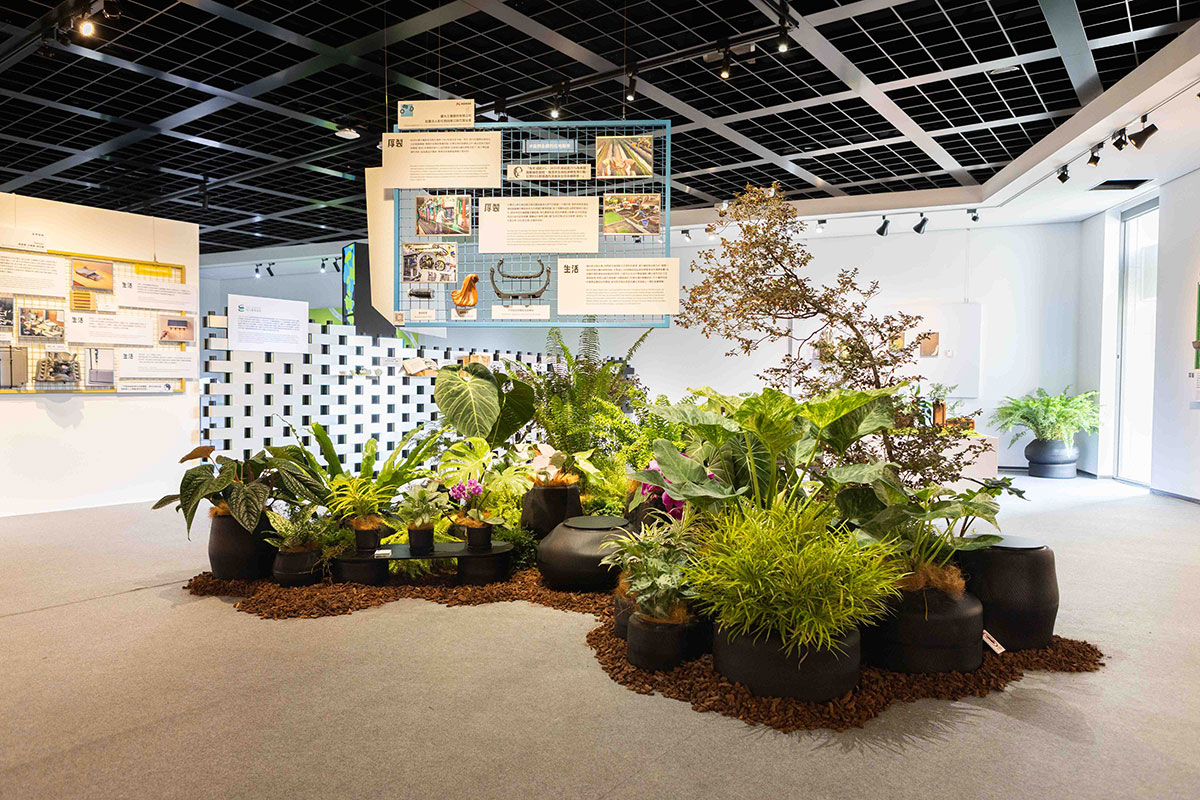
((( Upgrade ))): Design Innovation Amplifier gathered 19 Taiwanese SMEs. Through a before-and-after contrast presentation, the exhibit showcases how design transformed their products. Here, visitors witnessed how enterprises utilize design thinking to solve problems and what upgrades are made possible through the integration of design thinking.

The ((( Upgrade ))): Design Innovation Amplifier exhibition gathered 19 Taiwanese SMEs to showcase how design transformed their products. Credit: Taiwan Design Research Institute (TDRI)

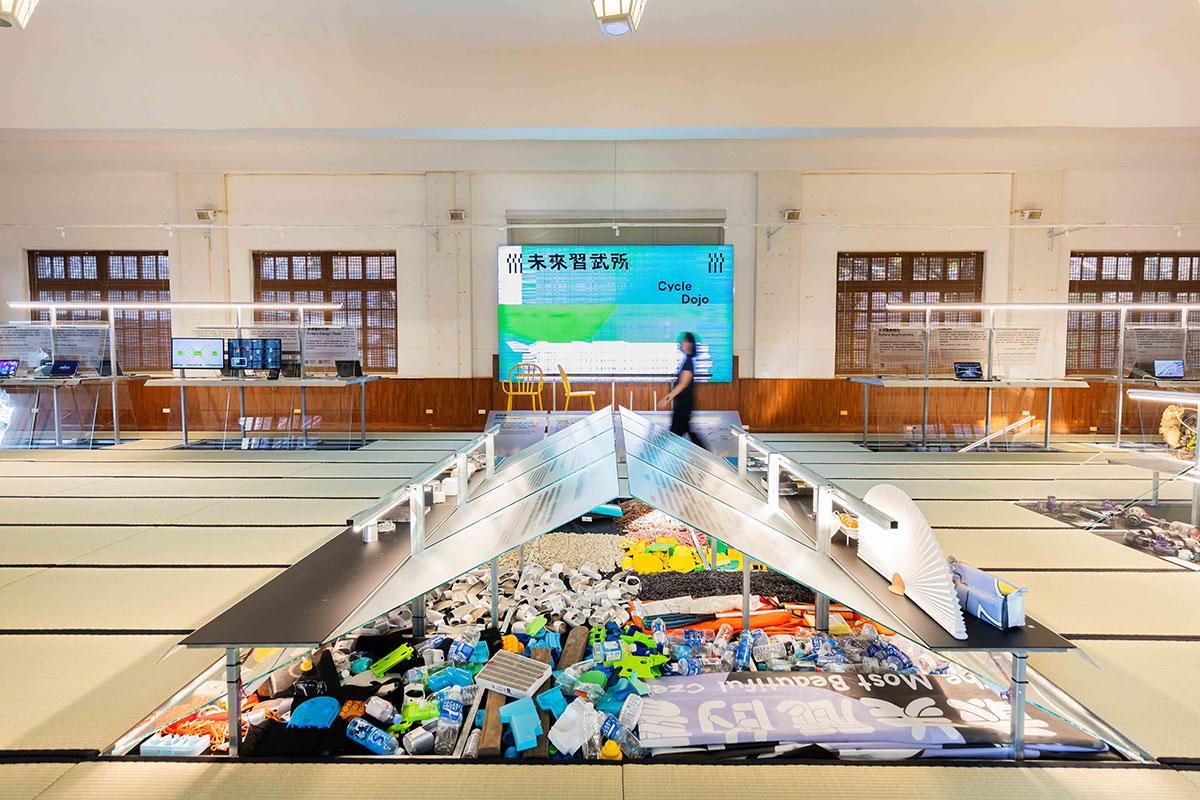
((( Sustainability ))): Cycle Dojo was inspired by the martial arts spirit of “Wude Hall.” This exhibit aims to raise awareness of the ubiquity of circular design. Visitors were able to view the results of circular design changes, enhance their knowledge through interactive games, and practice the way of circularity as a path toward future survival.

The ((( Sustainability ))): Cycle Dojo exhibition aimed to raise awareness of the ubiquity of circular design. Credit: Taiwan Design Research Institute (TDRI)

((( Crossover ))): BOLD was part of the COC Urban Industry Innovation Plan. The programme not only assisted cross-disciplinary innovation for local Changhua industries but also cultivated a deeper connection between industries and cities, fostering collaborative creation and exchange between Taiwanese and Japanese crafts and design, specifically with Hyogo Prefecture. The results were previously exhibited at the Gallery WEST of Expo 2025 in Osaka, before being displayed at the Taiwan Design Expo.

The ((( Crossover ))): BOLD activation was part of the COC Urban Industry Innovation Plan and featured collaboration between Taiwanese and Japanese designers. Credit: Taiwan Design Research Institute (TDRI)

T22 Local Industry Revitalization via Design Project

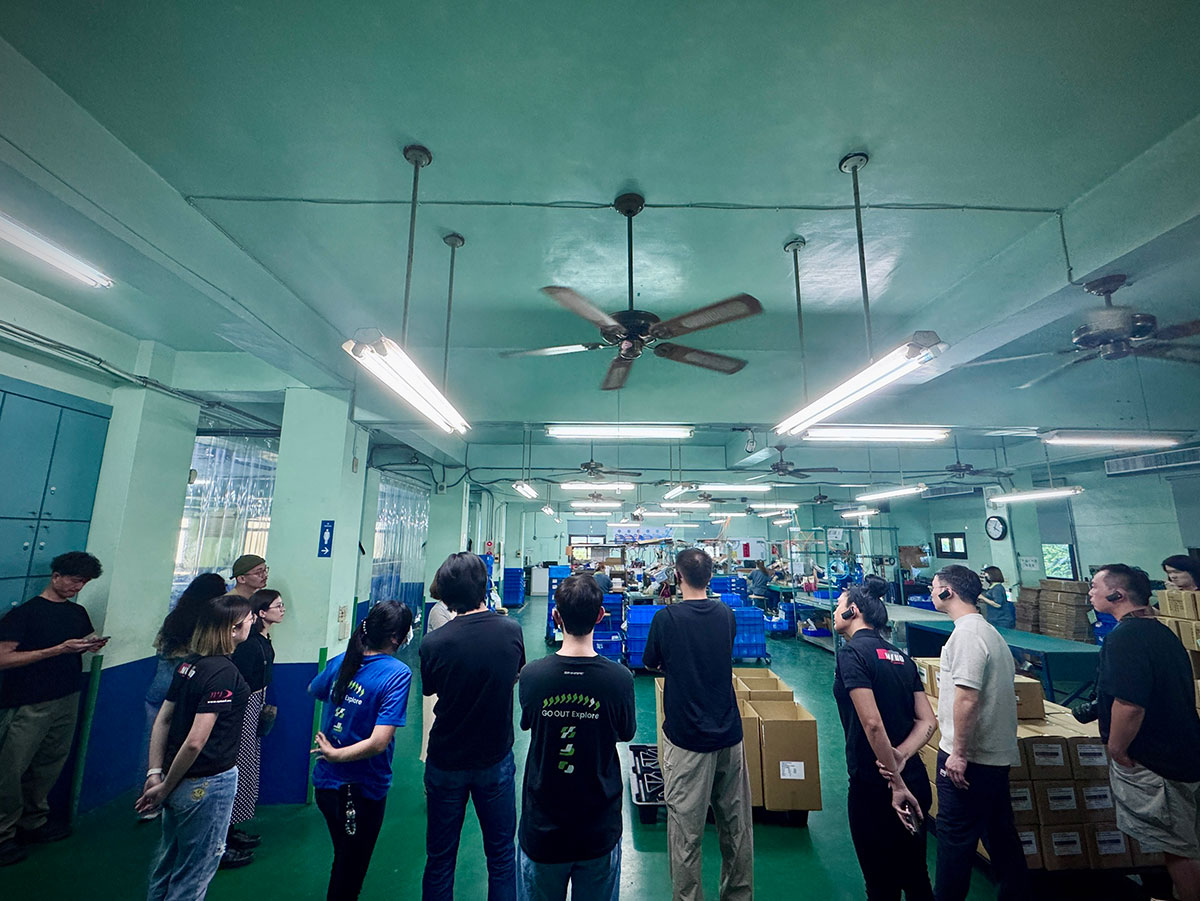
Since 2024, the T22 project has provided guidance and exchange opportunities to assist the next generation of Changhua industry leaders to overcome challenges faced in their respective sectors. Over two years, the program supported eight Changhua manufacturers in comprehensively upgrading their products, branding, and factory spaces. During the Expo, the ‘Open Factory’ programme was launched, allowing the public to step inside these factories and observing the pride of Changhua manufacturing firsthand.

Since 2024, the T22 project has provided guidance and exchange opportunities to support Changhua industry leaders. Credit: Taiwan Design Research Institute (TDRI)
The largest Taiwan Design Expo yet, (((Changhua))) shed new light on the region’s design and cultural prowess. Credit: Taiwan Design Research Institute (TDRI)

The 2025 Taiwan Design Expo (((Changhua))) was more than just a 17-day exhibition. Through design, the Expo reinterpreted the city’s brand and used curatorial thinking to organize local features, giving Changhua a chance to broadcast its pride to the world. Changhua boasts of beautiful landscapes and robust industrial prowess – with such strength, it should not stay understated. (((Changhua))) was not only the largest Design Expo in terms of scale but also a citywide design movement. Its diverse charm allowed visitors to experience the unique aesthetics and design energy stemming from this land, simultaneously ensuring the influence of this grand event continues to take root and ignites the city’s momentum toward the future.

Tags: ,