Design is where it all starts. With the first lines we draw, we define 80 percent of the overall impact on environment and society that a product will have through its material choice, the manufacturing method and the vision of its afterlife.
We as designers were trained to develop products that should make life easier, the world around us a bit more beautiful and convenient. We design products, services, surfaces and beyond all: experiences. We are responsible for behaviors, manners and even happiness. Our aim is to design products that are well thought of. But products, which are well thought of, can also be harmful or even threaten our environment. Overall, we aren’t adapting quickly enough to the many changes around us.
Therefore, we have to change perspective: from a simple product design that aims for a flashy look, to a responsible solution. Because we simply do not have the resources to add “just another product” to the market.
We as creatives are constantly working with change and have the abilities to integrate sustainable solutions through design so the customer will appreciate even love them. My experience with sustainable design or eco innovative design is that it has to be at the top of the experience, loveable and even fun. Because customers don’t like to sacrifice performance or even appearance over a positive footprint.
Our studies show: For the so-called Gen Y and Gen Z eco-awareness is one of the top buying expectations. We have to be aware that they do not just buy products anymore. They hold companies accountable for not acting responsibly. And: Sustainability with Circular Design is one of the holistic solutions, is not only changing our businesses, it is also a new, forward looking business model in itself.
What did we, the BMW Group, do about this in the past? We started “Project i” in 2008, our think-tank with a holistic approach on innovation and sustainability and came up with the vehicles BMW i3 and BMW i8. The BMW i3 as a full electric “mega city vehicle”, and the BMW i8 as a plug-in hybrid sports car.
Throughout the entire development process, transparency was the most important promise. We had to report our progress every week and were constantly tracking if the “new” is really better in terms of impact on CO2 and all other requirements in regard to our sustainability goals.
We’ve learned a lot about circular economy in this process. The material choice and the complexity of a product define right from the beginning how we can dismantle, reuse, repair and recycle a product afterwards. Design plays a major role in transforming a company from a linear to a circular business model. We also saw regulations and laws coming which are now in efect. And thanks to our learnings, the supply chain management is now an integral part of our design thinking.
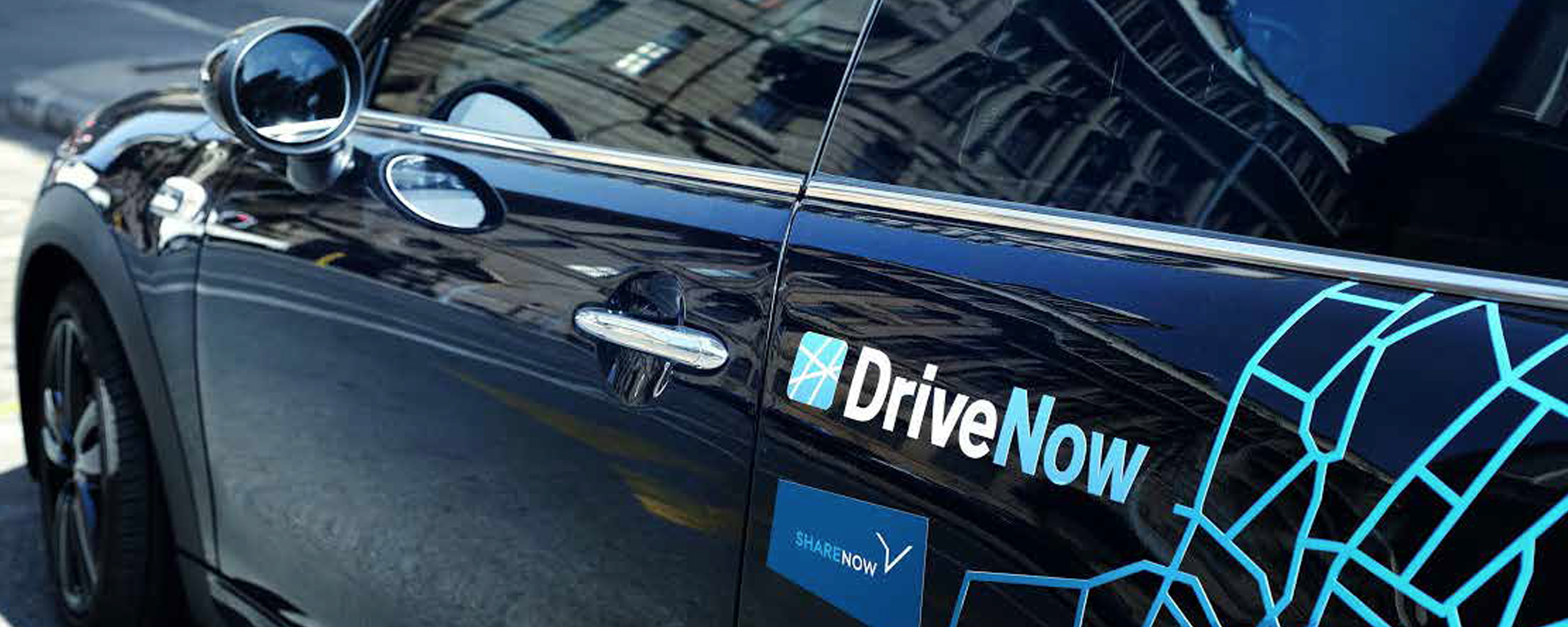
Innovative technologies can help to implement circular design. And radical changes will challenge us as creatives. Future mobility will be less about owning products and more about services. The mobility service SHARE NOW is just one example of what we will see more and more: Sharing, not owning, handing things over if you do not need them anymore, bringing the world into a closed loop. The BMW Group loves the idea that the future is digital, responsible and most importantly sustainable.