
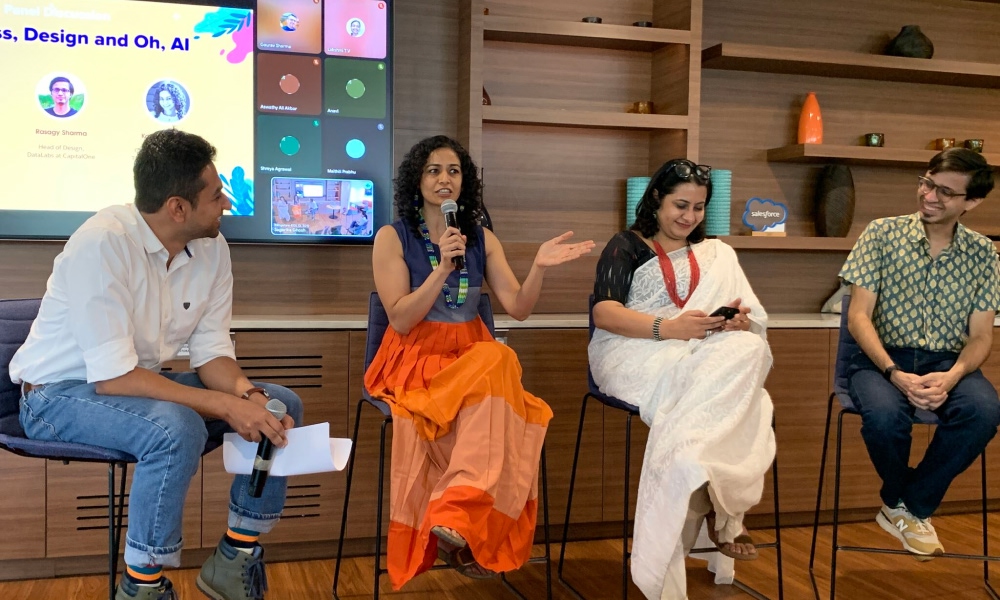
Photo credit: Karishma Ajmera
2026 Design Luminaries
Karishma Ajmera:
Design as a Shared Responsibility
Karishma Ajmera’s approach to design is rooted in a deep understanding of systems, how people shape them and are shaped by them in return. Trained as an industrial designer at Ahmedabad’s National Institute of Design (NID) and now practicing as a UX designer and strategist, her work spans physical environments, digital platforms, and, increasingly, civic-scale challenges in her home city of Bengaluru.
A city of over 11 million, Bengaluru represents an important tech hub within India’s southern Karnataka state. It has also held the title of World Design Protopolis™ since 2023, a designation launched by WDO as an extension of the city’s prior bid for World Design Capital®. The term ‘protopolis’ is derived from the idea of prototyping a metropolis.
“Designers need to move away from ‘designing for’ and start ‘designing with’. Communities are collaborators, not beneficiaries.”
Having played a key role in strengthening Bengaluru’s design community through leadership roles at both the local and national chapters of the Association of Designers of India (ADI), Ajmera was keen to be part of the Protopolis programme from the start.
“I was invited to be on the Steering Committee,” she shares, noting that the most rewarding part of the role has been helping shape how design can address complex, multi-layered challenges across the city.
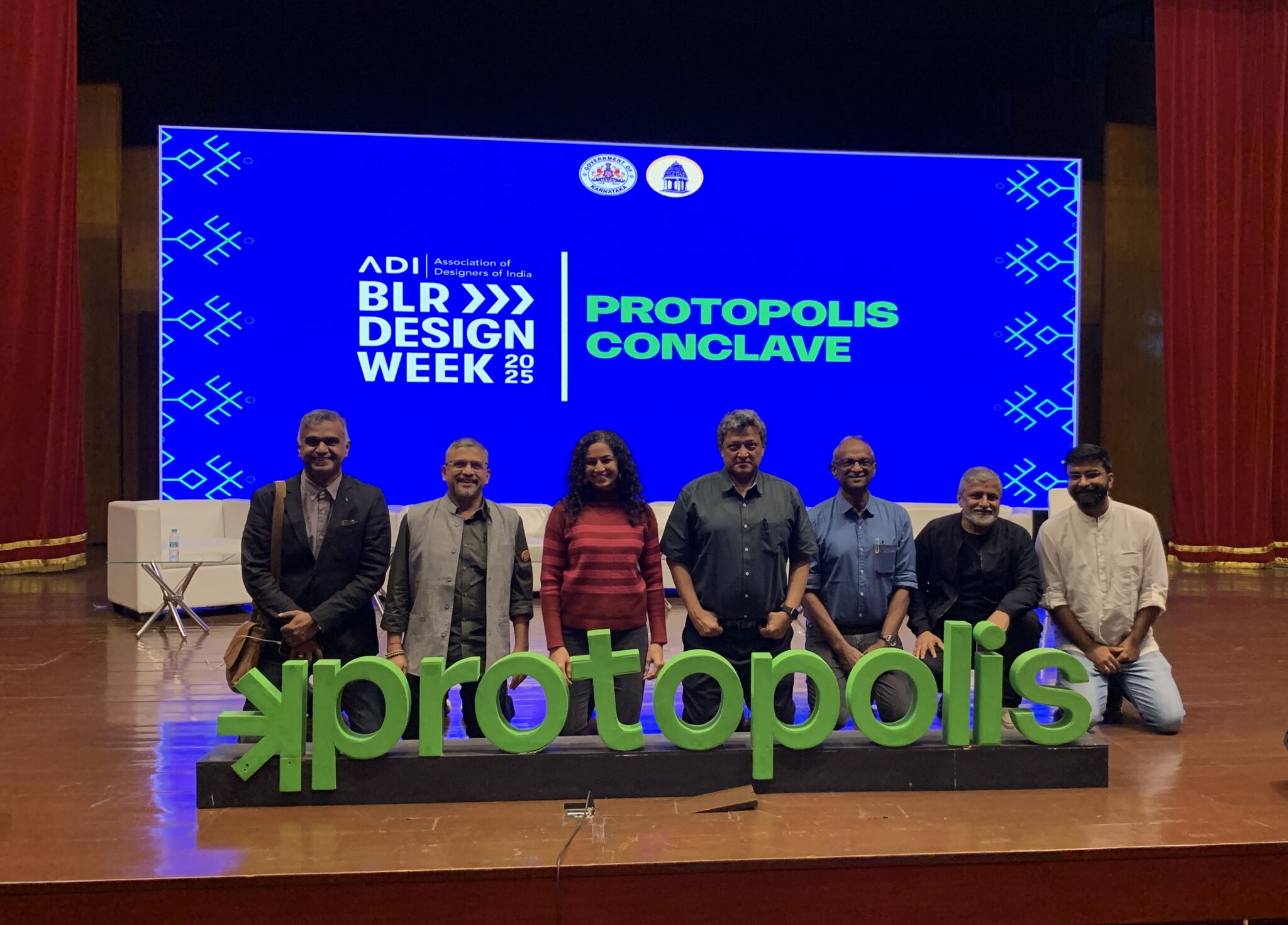
Throughout her career, Ajmera has remained attentive to the broader systems within which her products and services operate. In 2010, she co-founded Twist Open, a Bengaluru-based design consultancy specializing in UX strategy, research and interface design, a role that has only reinforced the idea that designers “need to immerse themselves in the context before attempting to propose solutions, because small design decisions can reinforce or dismantle the balance of an ecosystem.”
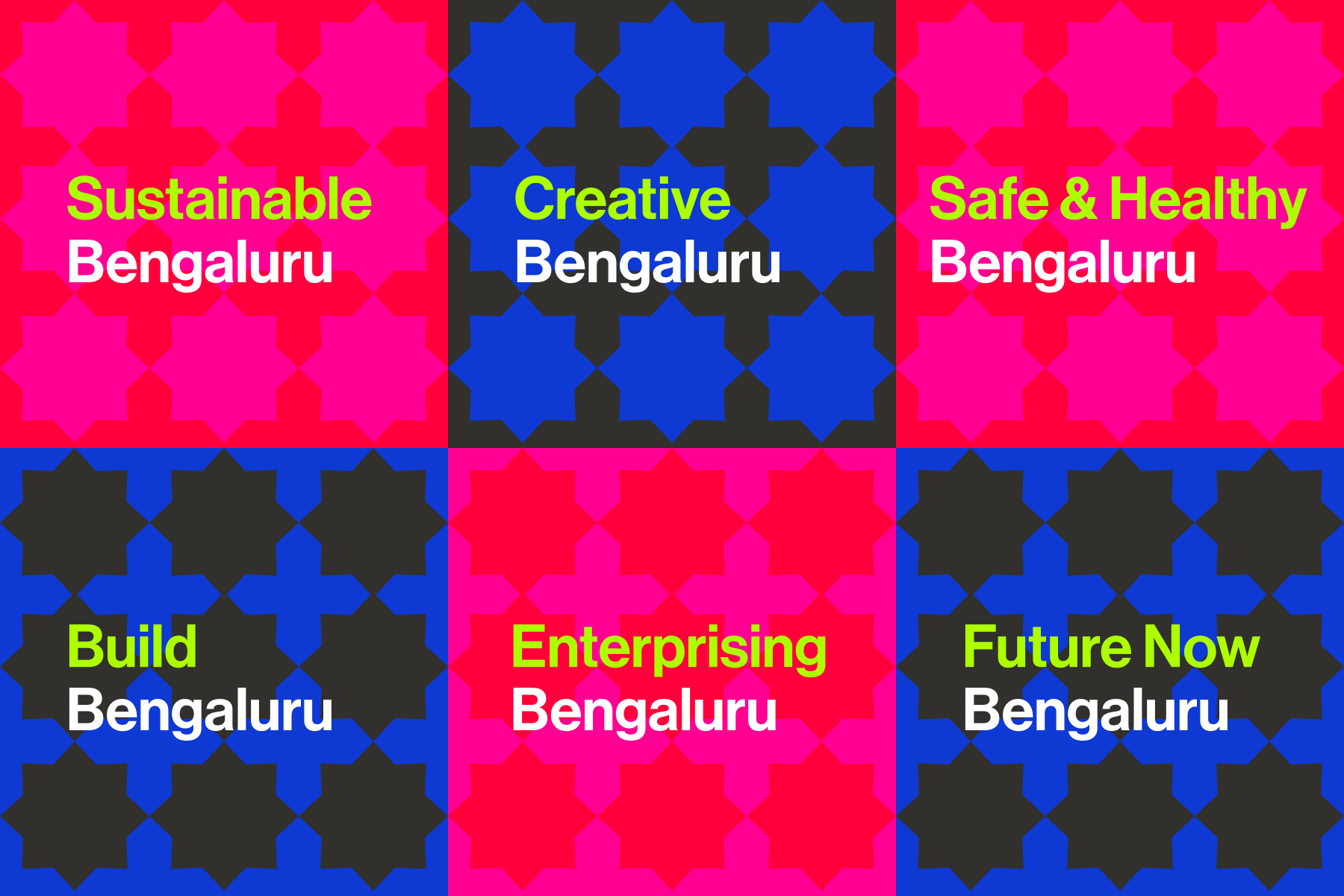
Creating meaningful impact requires a shift in how designers frame their responsibility, and this approach is central to Bengaluru’s Protopolis ambitions for 2026. The programme’s Explore and Dream phase will generate detailed design briefs across six impact areas, including sustainability, infrastructure, livelihoods, culture, safety, and future-facing technologies. These briefs will invite project bids from citizens and organizations of all sizes, with design interventions prototyped across diverse urban sites, from transit hubs to neighbourhoods and natural ecosystems. Later this year, Bengaluru will also host their annual BLR Design Week.
For her part, Ajmera sees 2026 as a new opportunity to shift the public perception of design, from “good aesthetics” to a deeper, more meaningful method for navigating complexity, balancing constraints and strengthening civic trust. Recent changes in Bengaluru’s governance structure have also signaled new hope that the city can continue to leverage the Protopolis platform to engage in sustainable practices, promote ecological restoration and build climate resilience.
In a complex and dynamic city like Bengaluru, Ajmera’s journey stands as an important reminder that design’s greatest impact emerges when it is shared, grounded and guided by collective purpose.

Karishma Ajmera is the Co-Founder and Creative Director at Twist Open UX, a strategic UX design agency in Bengaluru. A graduate of the National Institute of Design (NID), Ahmedabad, she has a cumulative work experience of 22 years in Customer Experience design, both offline and online. After an initial stint in designing brick and mortar retail spaces, she has spent the last decade focused on architecting and designing interactive community experiences.


