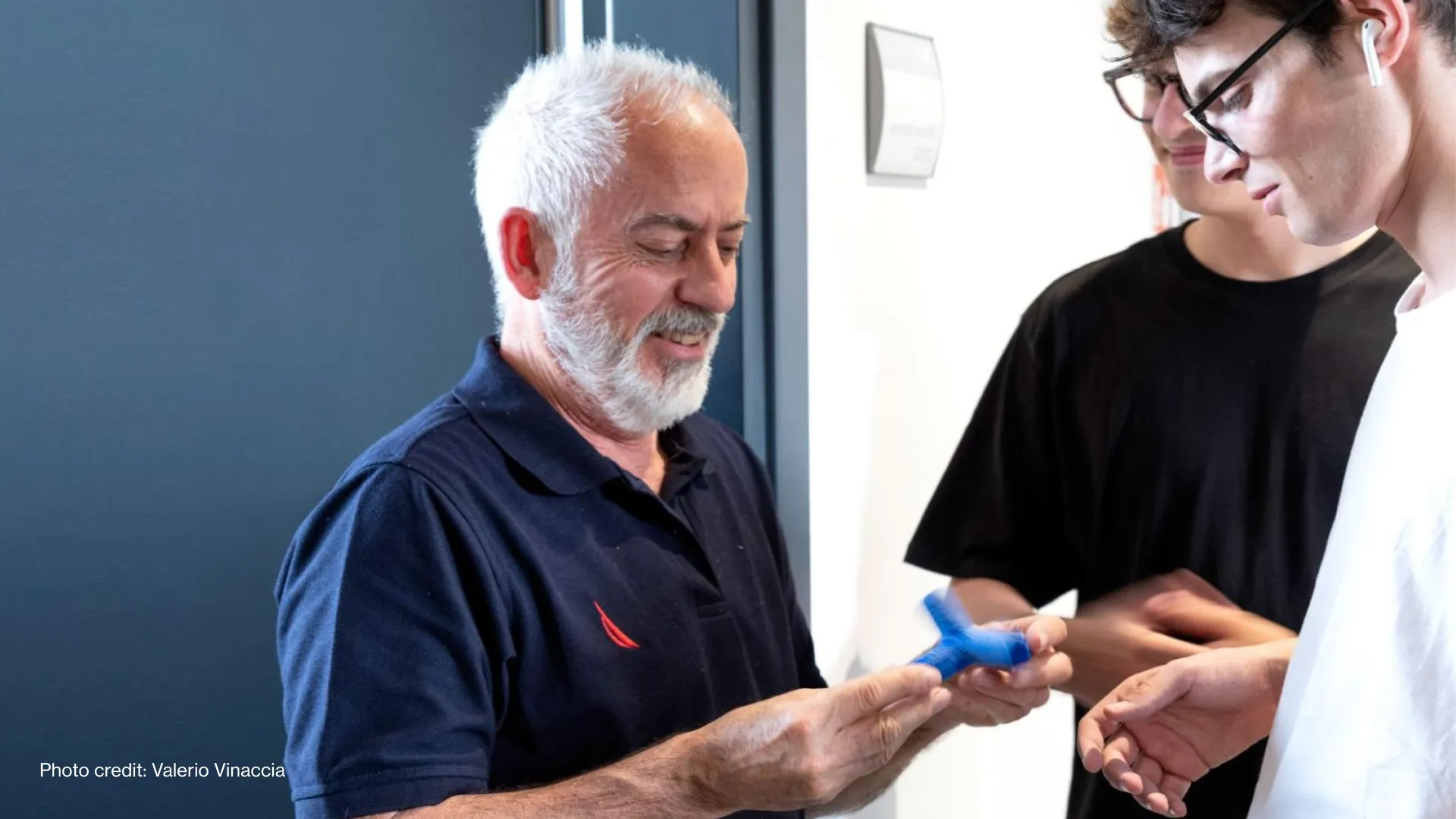
This article was authored by Valerio Vinaccia, Founder of WDO Member Ánako APS, a social design lab based in Parma (Italy).
Dignity is a simple word, but it carries a radical meaning. It is about the minimum conditions that allow a human being to exist, not just survive. It is about being able to sleep, to care for a child, to protect one’s body, to feel safe.
The problem is that design has often operated far from this threshold. It has focused on comfort, aesthetics, and innovation for those who already have access to resources, while ignoring contexts where dignity itself is fragile or absent. At Ánako, design for dignity starts exactly there. Not from the object, but from a lack. A missing condition. A broken system.
“Design for dignity asks designers to reposition themselves. To move closer to reality, even when it is uncomfortable. To work with constraints instead of avoiding them. To measure success not only in terms of innovation or visibility, but in terms of impact on people’s lives.”
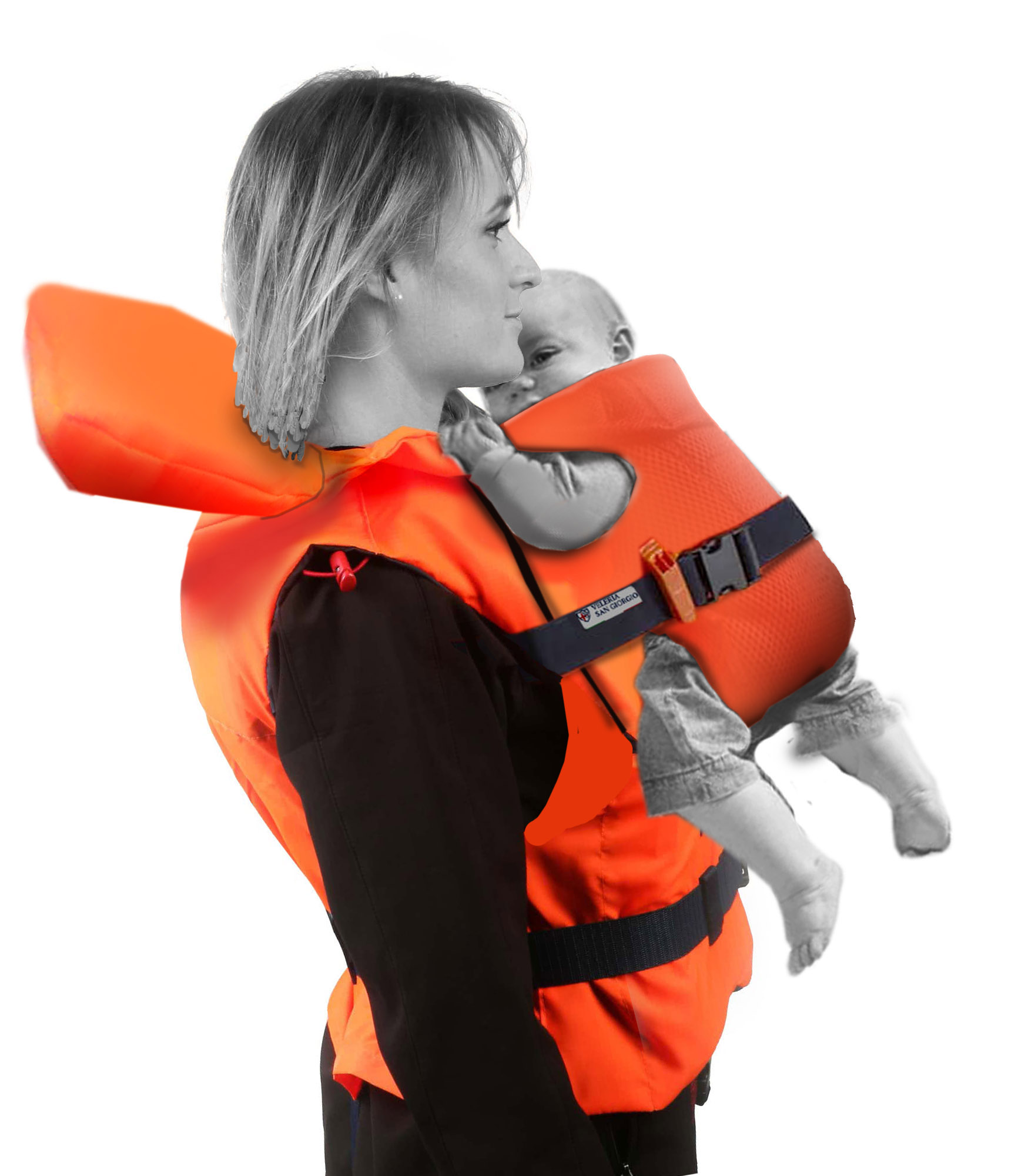
In many of the contexts we work in, such as refugee camps or emergency situations, the absence of design is evident. A newborn has no safe place to sleep. A mother cannot carry her child on a life-threatening journey. Water is unsafe. Temperatures are extreme. These are not marginal issues. They are structural failures.
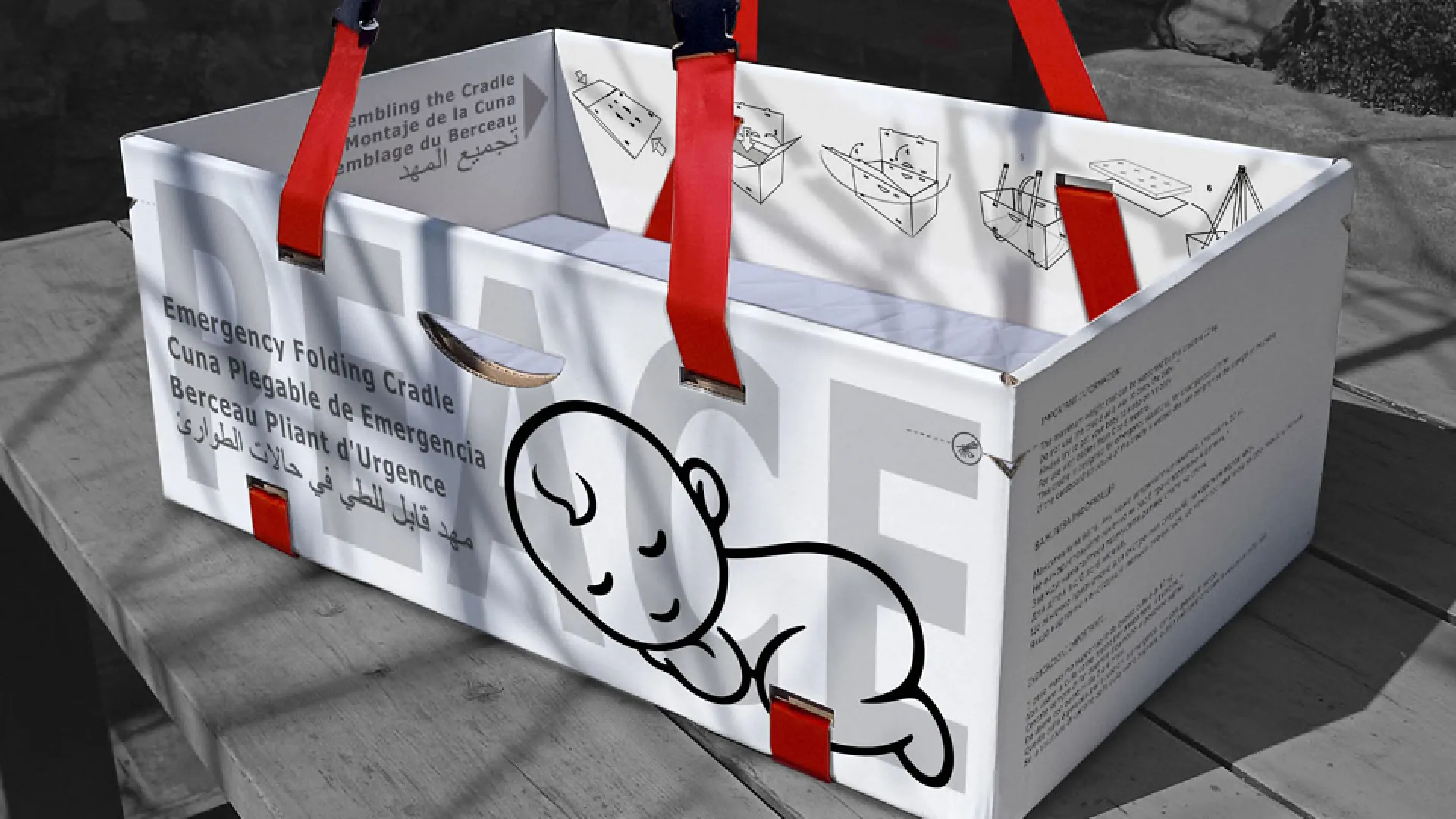
Some of our projects, like the emergency folding cradle (a Seoul Design Award 2025 finalist) or the Kanguro life jacket are not meant to be ‘products’ in the traditional sense, they are attempts to restore a basic condition of dignity where it has been lost.
But there is another layer that is often overlooked. Design for dignity is not only about what we deliver, but how we produce it.
If solutions are imposed, imported, or dependent on external systems, they often fail or create new forms of dependency. For this reason, we work on models that enable local production, knowledge transfer, and collaboration with existing communities, universities, and small industries.
This approach requires designers to step out of their traditional role. It is not enough to design well-shaped objects. Designers need to understand systems, logistics, cultural contexts, and production constraints. They need to accept complexity, and sometimes to renounce authorship in favor of collective processes. In 2026, this shift is no longer optional.
We are living in a time where crises are not exceptions but conditions: climate change, forced migration, resource scarcity, social inequality. In this scenario, design cannot remain neutral or detached. The question is not whether design can contribute, but whether it is willing to take responsibility.
Design for dignity asks designers to reposition themselves. To move closer to reality, even when it is uncomfortable. To work with constraints instead of avoiding them. To measure success not only in terms of innovation or visibility, but in terms of impact on people’s lives. It is not an easy path. It is slower, often underfunded, and less visible than mainstream design. But it is also where design becomes necessary.
And perhaps this is the point. Design regains its real meaning when it is needed.