Photo credit: Monika Keiler
The Kiosk of Solidarity
Named after Frankfurt RheinMain’s central train station, the Bahnhofsviertel is an eclectic and dense neighbourhood known for its vibrant nightlife. It’s also a place that has long been shaped by harsher social realities like homelessness and open drug use, where polarizing public discourse intersects with more progressive, design-led approaches to addiction support.
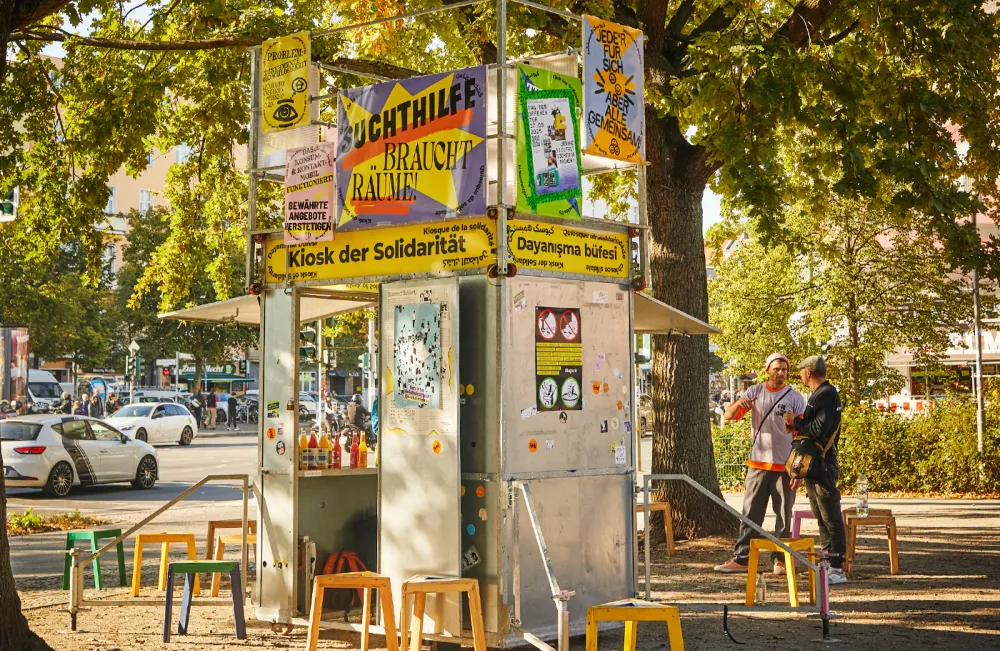
For architect Moritz Ahlert and designer Felix Egle, it is precisely this “conflicted” history that drew them to the Bahnhofsviertel as the latest setting for the Kiosk of Solidarity project, now part of the World Design Capital Frankfurt RheinMain 2026 programme. Launched in Berlin in 2023, the Kiosk of Solidarity emerged from the interdisciplinary research project Transforming Solidarities, which brought together researchers and grassroots initiatives to better understand how solidarity is practiced across urban contexts. Working closely with communities experiencing social exclusion, the project revealed a gap between research and everyday realities, particularly a lack of visible, accessible platforms to support local initiatives in public space.
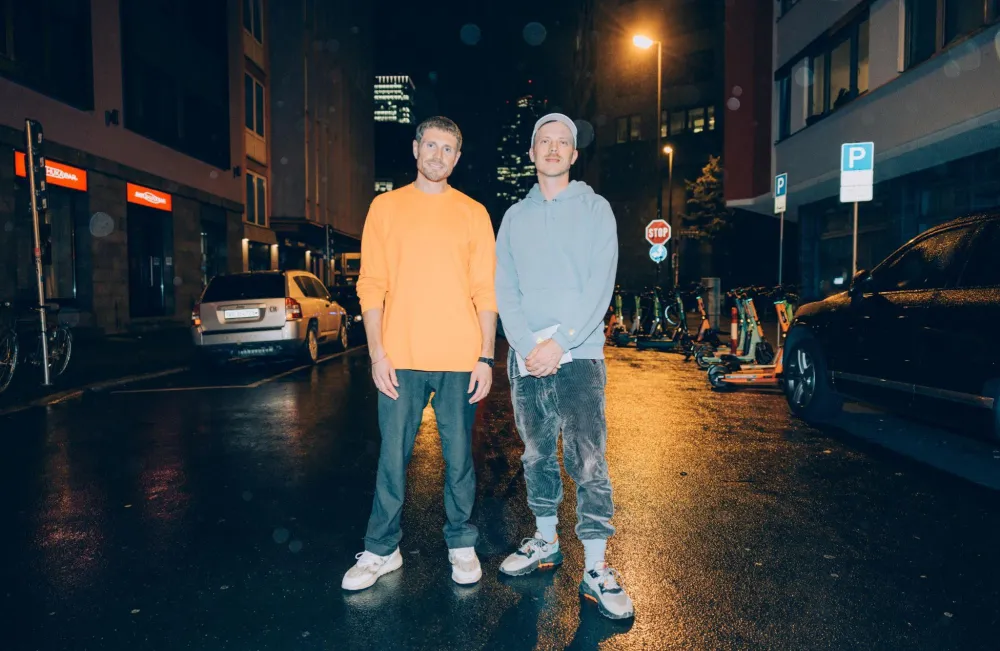
“We felt there was a strong need for an analogue, physical tool to support community organizing on a neighbourhood level,” especially in the post-pandemic era, notes Ahlert. Rather than functioning as a static installation, the kiosk was designed to operate as a “familiar and low-threshold” structure placed directly in public space, where “people can meet, exchange knowledge and engage with different forms of solidarity in a very immediate and tangible way.” At its core, the project is about creating space for dialogue, particularly between groups who might not otherwise interact.
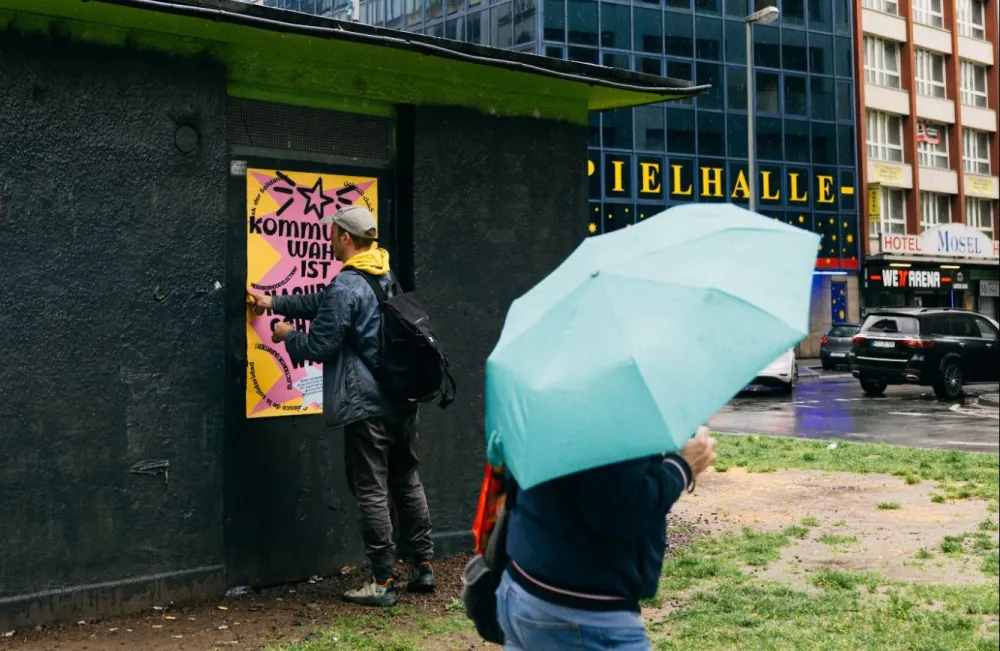
Through formats such as participatory poster campaigns, public discussions, city walks and design collaborations with local groups, the kiosk has now facilitated over 50 interventions, bringing together residents, policymakers and marginalized communities in shared processes of exchange across Berlin and other cities.
For Ahlert and Egle, whose collaborations have included other kiosks and design workshops, this year’s project in the Bahnhofsviertel takes on new urgency. “Coming from a design practice at the intersection of acceptance-based addiction support and spatial design, it felt very coherent to focus on initiatives in the Bahnhofsviertel,” shares Egle. “By being present there with the kiosk, both as a structure and as a set of ideas and practices, we aim not only to engage with the local context, but also to raise broader, transferable questions about how society deals with the spatial realities of illegalized substance use.”
As part of World Design Capital Frankfurt RheinMain 2026, the kiosk will appear across the Bahnhofsviertel through a series of temporary interventions. This mobile approach allows the project to respond to different contexts within the neighbourhood, working closely with local actors including street social workers, addiction support services as well as people directly affected by homelessness and drug use.
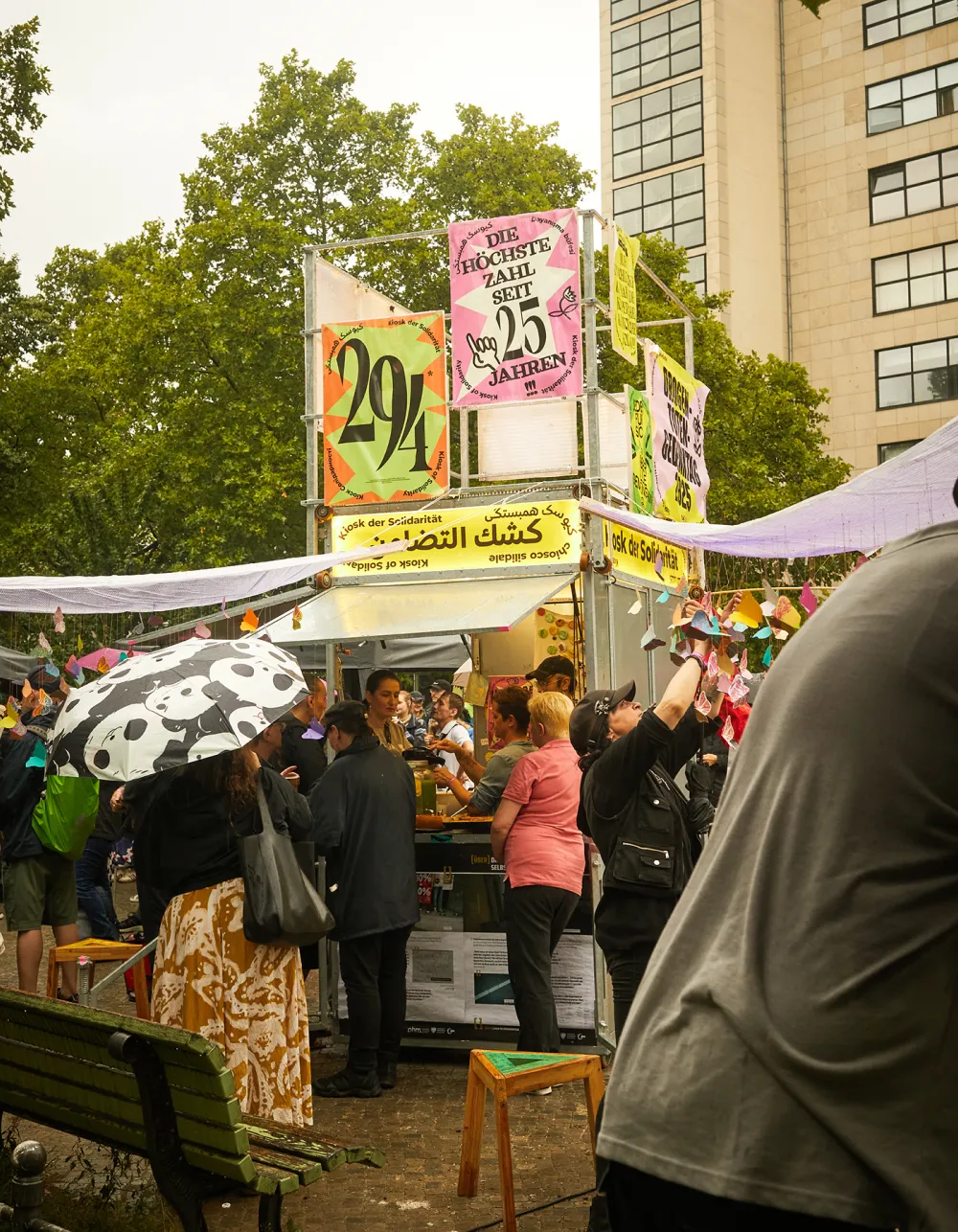
As noted by Ahlert, “working in a context like the Bahnhofsviertel means engaging with a wide range of stakeholders who often have very different perspectives, needs, and sometimes conflicting interests. For us, the starting point is to acknowledge these differences rather than trying to smooth them over. The kiosk is not meant to resolve conflicts, but to create a space where they can be articulated and negotiated in a constructive way.”
Aligned with the ambitions of World Design Capital Frankfurt RheinMain 2026, which frames design as a means of strengthening democratic participation and improving how we live together in cities, the kiosk employs design as a mediator, making tensions visible, creating formats for dignified exchange and supporting more informed and inclusive conversations. “Dignity means taking people seriously, not as subjects of intervention, but as active participants with valuable knowledge and perspectives,” shares Egle.
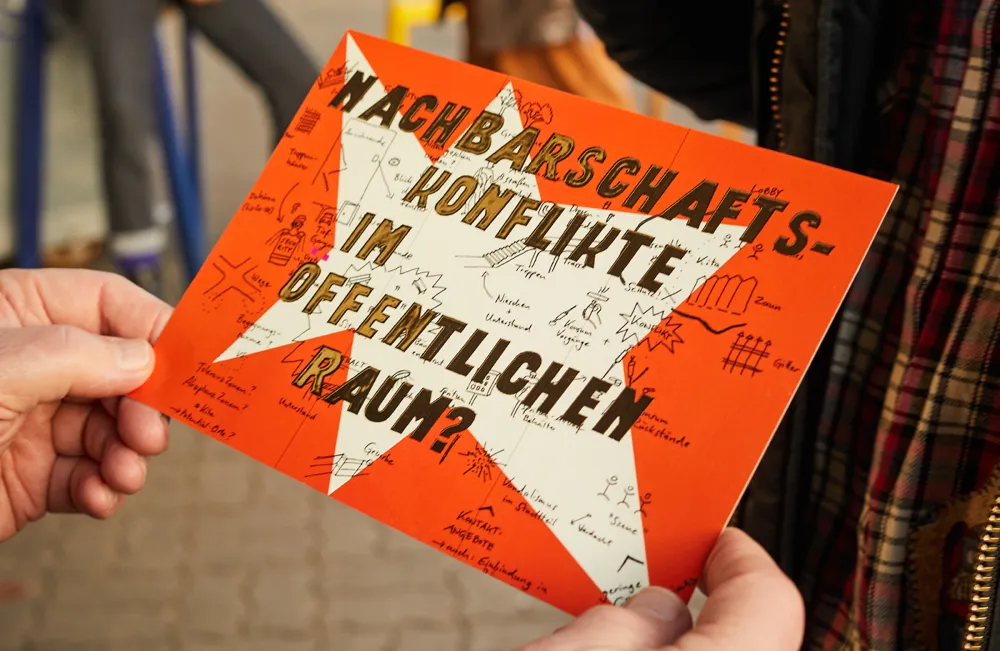
Ultimately, these are the principles that have guided the Kiosk of Solidarity from the start, irrespective of where it lands or what physical form it takes. Co-creation with local communities, a low-threshold and accessible approach and a willingness to engage with complexity.
In the Bahnhofsviertel, these principles take on a particular relevance. By creating space for dialogue, visibility and participation, the kiosk is not seeking to smooth over the neighbourhood’s contradictions. Instead, it is working within them, demonstrating how design can support more dignified ways of navigating urban life.
The Kiosk of Solidarity X Bahnhofsviertel runs throughout 2026. To learn more about the project, visit the World Design Capital Frankfurt RheinMain 2026 website.
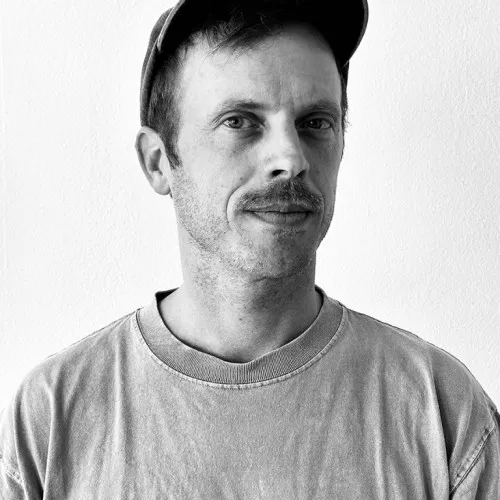
Moritz Ahlert is a Berlin-based architect and researcher working at the intersection of spatial design, social practice, and urban transformation. His work focuses on solidarity, participation, and the role of design in addressing social inequalities, often through collaborative, research-based projects such as the Kiosk of Solidarity.
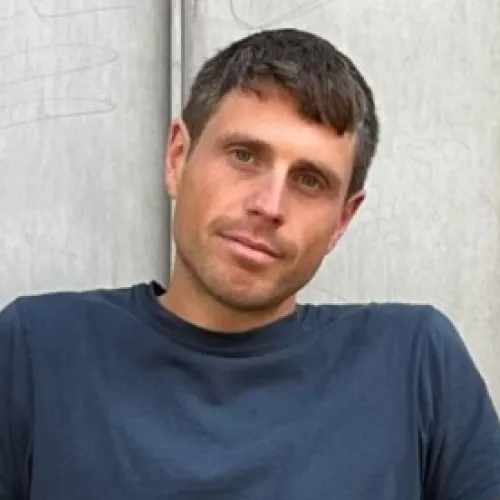
Felix Egle is a Berlin-based communications and social designer. He develops co-creation formats inviting initiatives and groups to collective design endeavour currently working on projects in collaboration with various organizations, including S27 – Art & Education, Kiosk of Solidarity, and Fixpunkt gGmbH.


