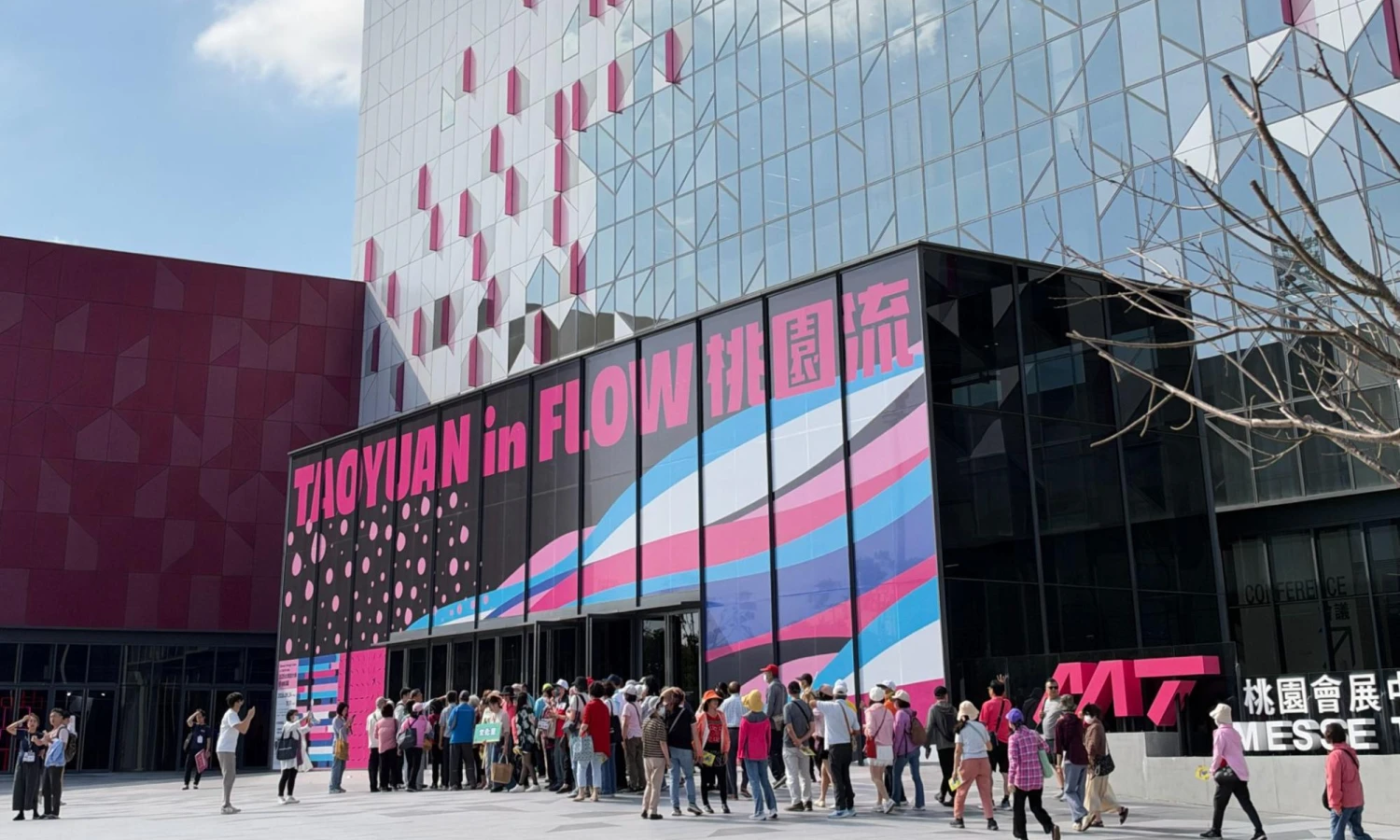
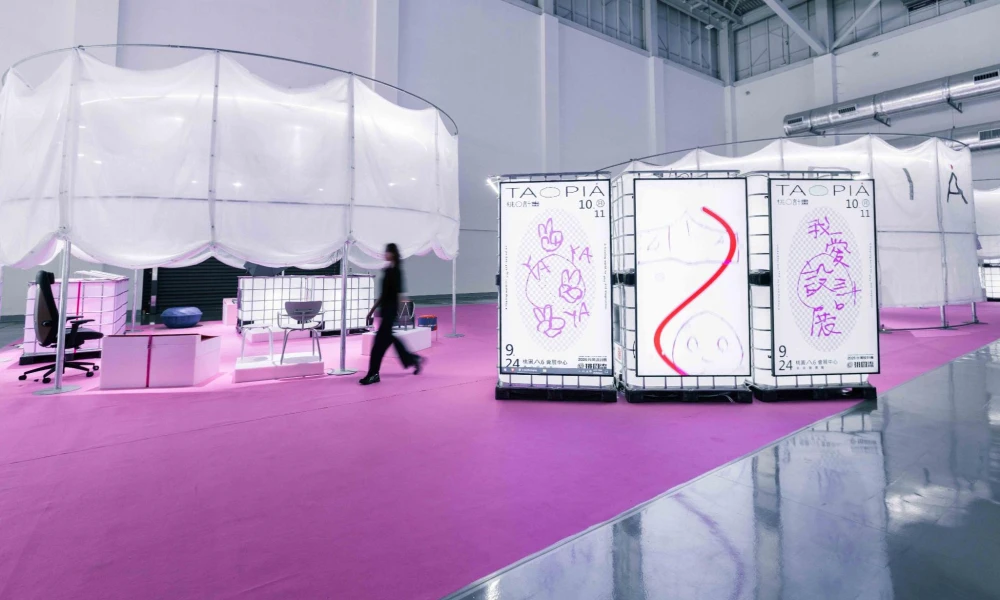
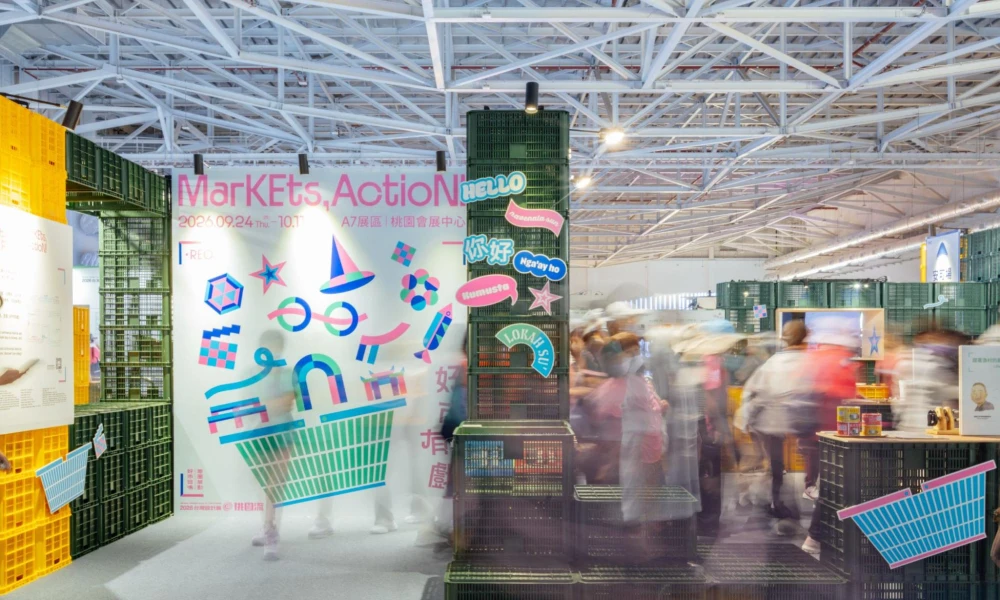
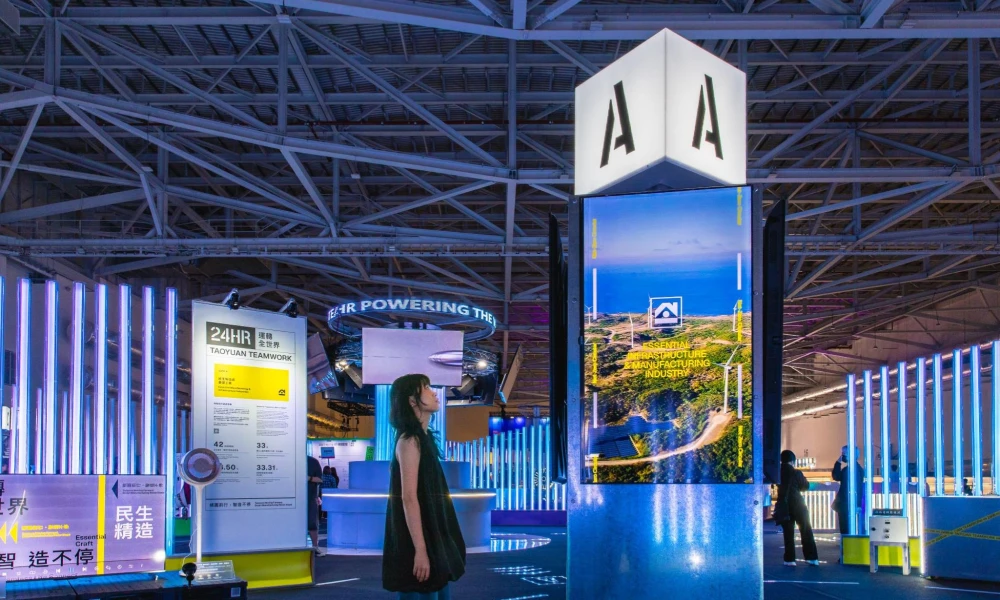
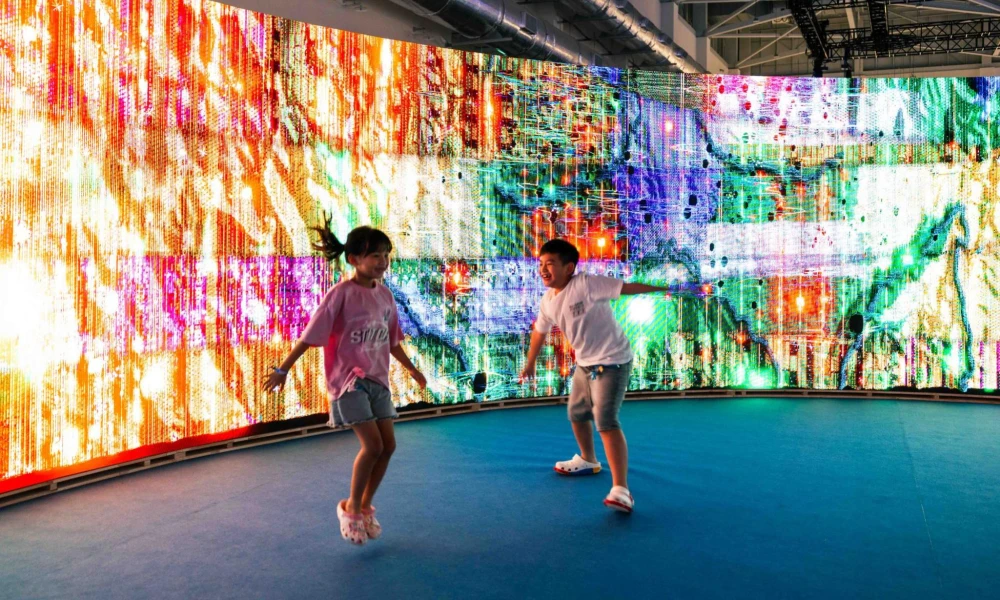
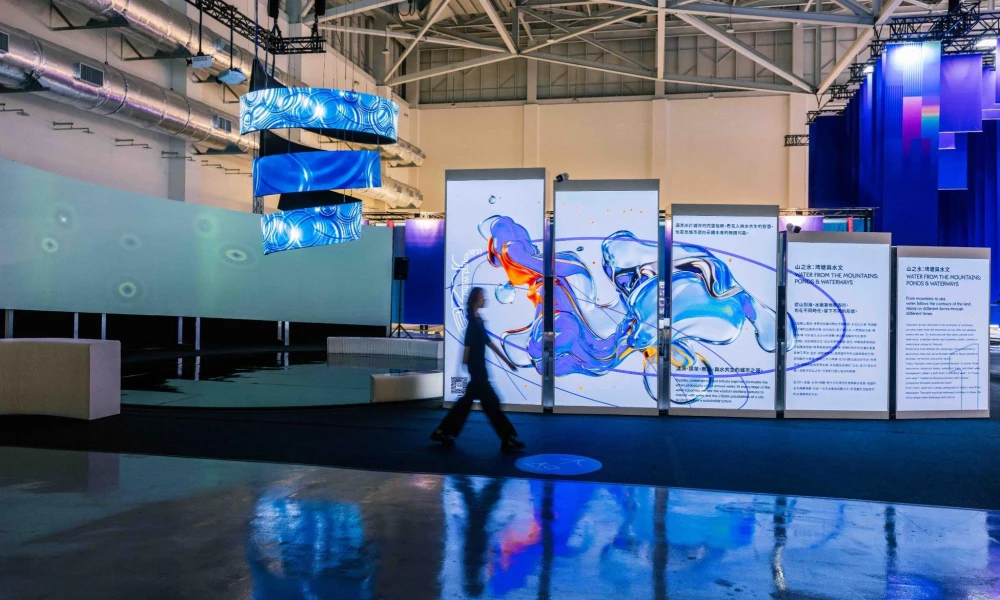
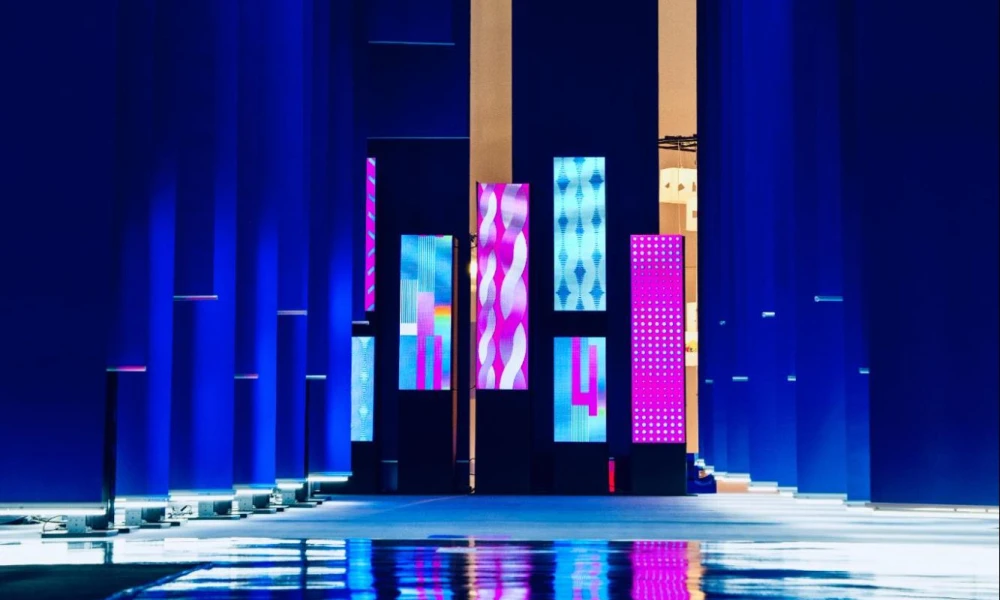
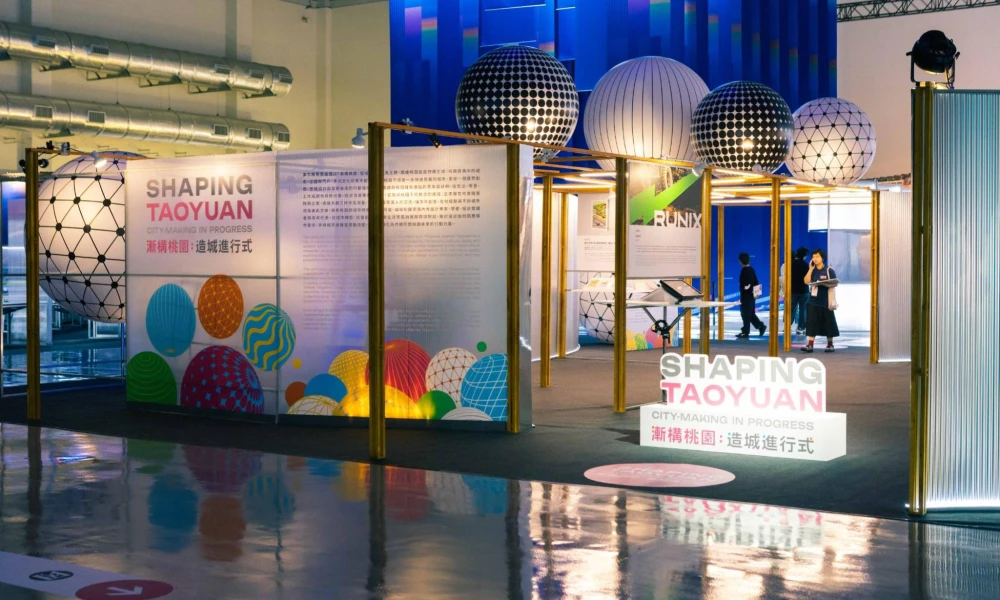
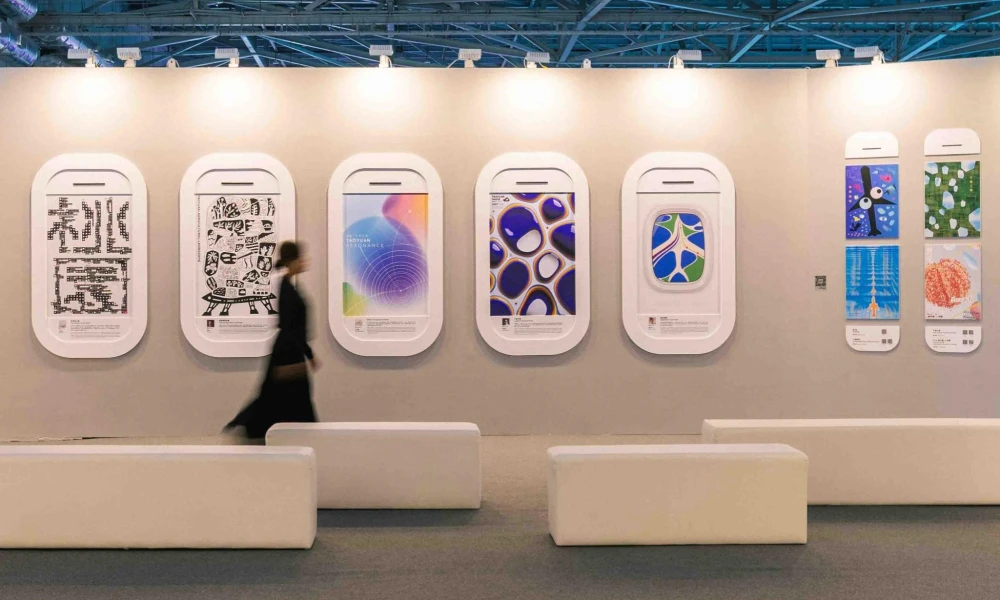
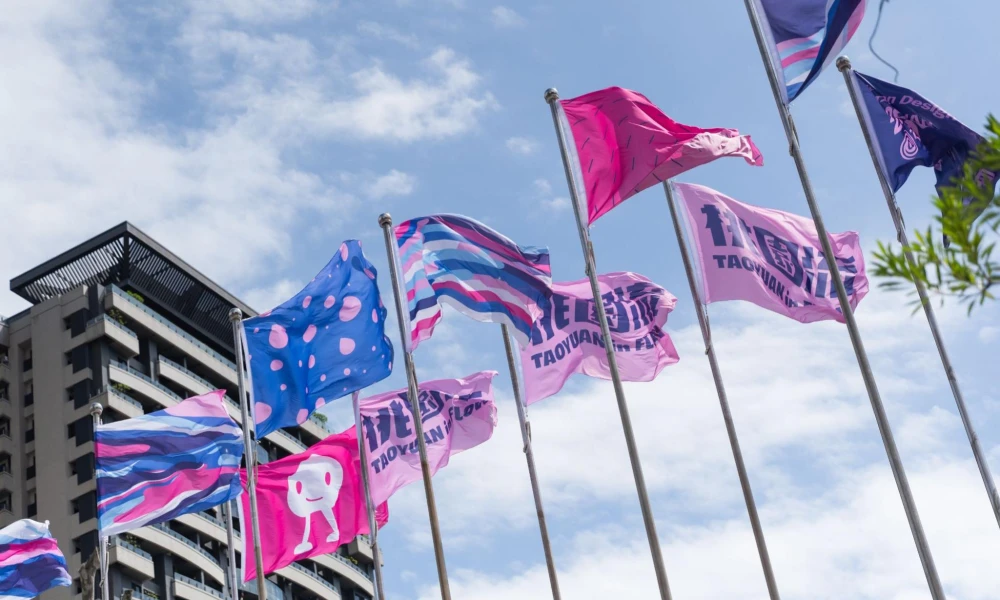
Taoyuan is a vital gateway connecting Taiwan with the world, where people, goods, cultures, and industries converge. From its historic ponds and waterways to aviation and manufacturing, and from the lived experiences of diverse communities to the creativity of younger generations, the rhythms of everyday life come together to shape the city’s distinctive character. Held in Taoyuan for the first time, the 2026 Taiwan Design Expo adopted the theme of TAOYUAN in FLOW. Through curation and design, it revisited the city’s waterscapes, industrial strength, cultural diversity, and future aspirations, inviting visitors to rediscover Taoyuan as they explored its many connections.
The Expo spanned two main exhibition areas in Qingpu and Zhongli. The Qingpu area highlighted Taoyuan’s industrial prowess, urban development, and future lifestyles, while the Zhongli area celebrated multicultural diversity and youth creativity. Featuring a total of 16 Themed Exhibitions, 5 City Exhibits, and 22 Echo Events, the Expo brought design out of the exhibition halls and into the city, local industries, and everyday life. This year’s Expo brought together 770 designers, more than 40 academic institutions, more than 200 young students, and 1,630 corporate brands, alongside nearly 50 international design teams from 16 countries — setting a record for the highest number of international works showcased in the Expo’s history. The event not only drew crowds and energized the urban area across Qingpu, Zhongli, and surrounding districts, but also transformed from a single exhibition into a vital window for observing Taoyuan’s urban growth, cultural integration, and industrial innovation.
More Than an Exhibition: Bringing Design into Taoyuan and Revealing the City’s Distinctive Character
Now in its 24th edition, the Taiwan Design Expo partners with a different city or county each year to explore the evolving relationship between design and local development. It has captivated younger generations and the creative community while helping the public understand a city’s urban context, cultural identity, and industrial ethos. Through thoughtful curation, the Expo offers new perspectives on local culture and everyday life, strengthening residents’ sense of identity while shaping a distinctive image for the host city.
From Flow and Circulation to Convergence: TAOYUAN in FLOW Reframes the City
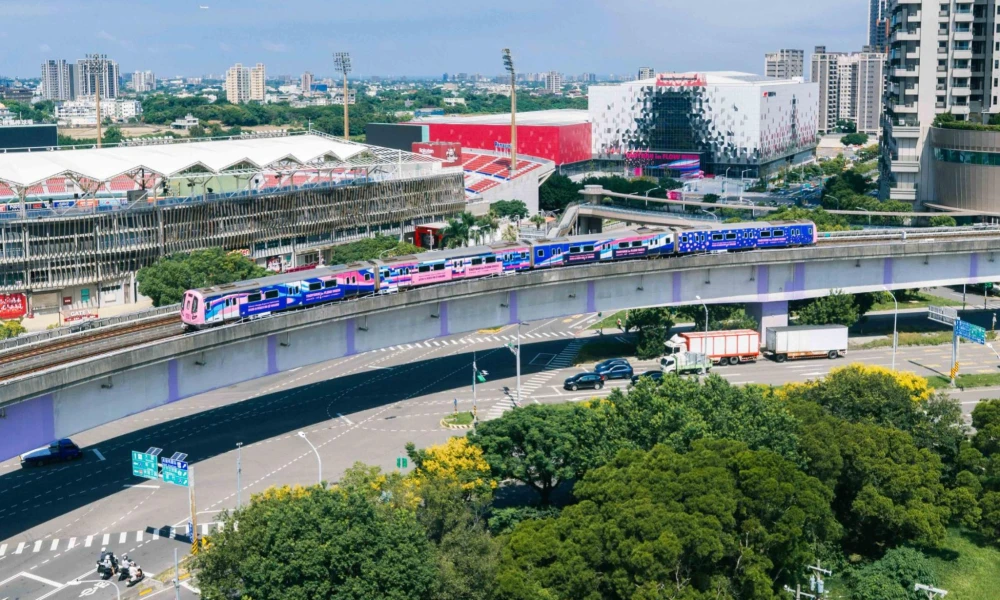
The FLOW in TAOYUAN in FLOW reflects the flow of water across Taoyuan’s landscape, the circulation of people and goods, the convergence of diverse cultures, and the trends created by industrial innovation and global connections. From a city of thousands of ponds to its urban waterways, and from airports, metro lines, and high-speed rail to major manufacturing hubs, different forces meet in Taoyuan and continue to drive its growth. This idea shaped the Expo’s curatorial approach, connecting everyday experiences that might otherwise seem unrelated and showing how Taoyuan creates value through movement and new possibilities through convergence.
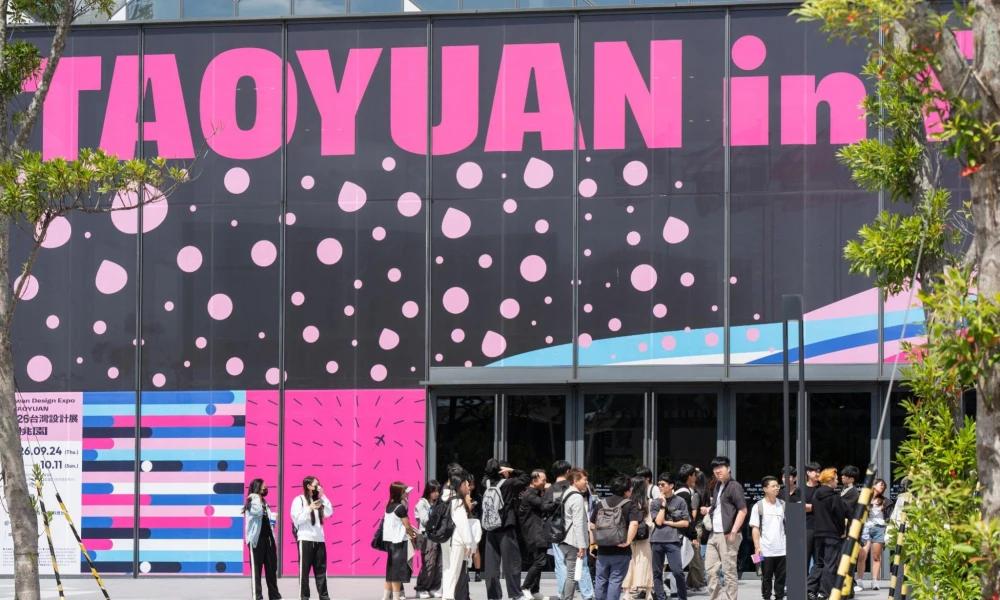
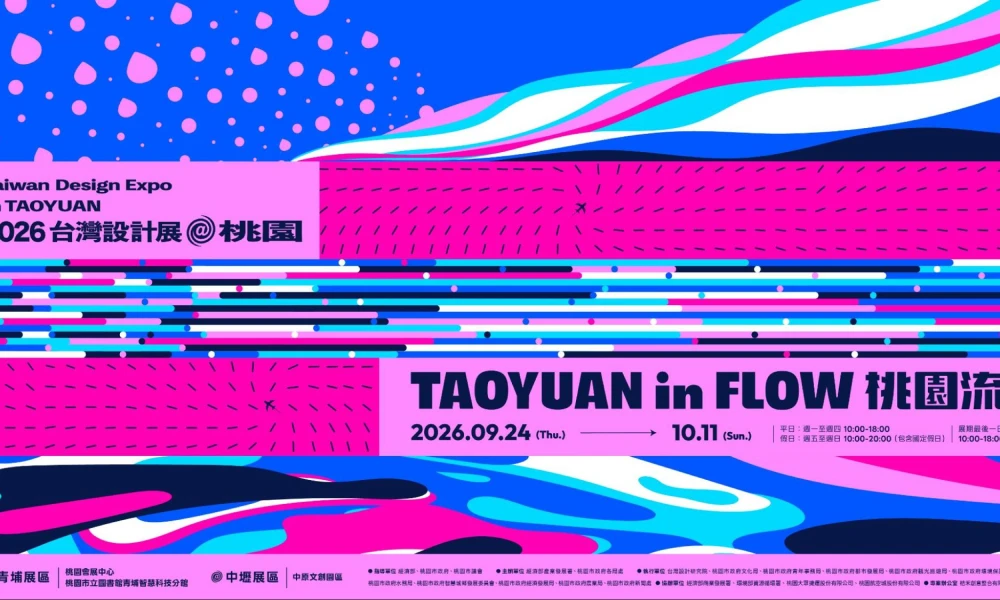
The key visual was created by Yi-Hsuan Li, Creative Director of StudioPros. Inspired by the “Traces Of Flow”, it transforms Taoyuan’s waterways, transportation, cultural diversity, and technology into an organic, fluid constellation of symbols. The interplay of blue and magenta represents the city’s technological and industrial strength alongside its natural and cultural character, turning “flow” into a visual language through which visitors can recognize Taoyuan.
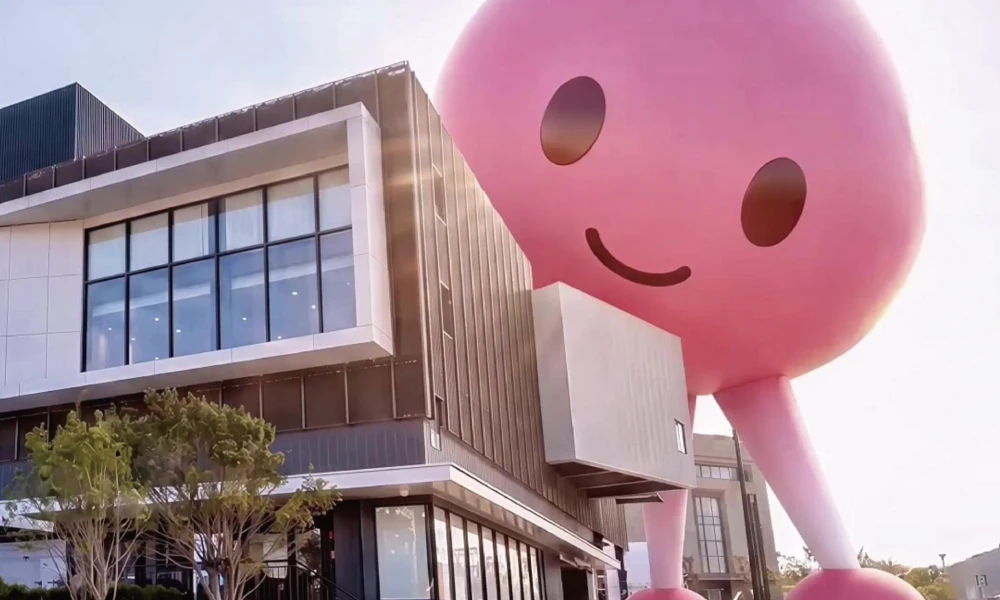
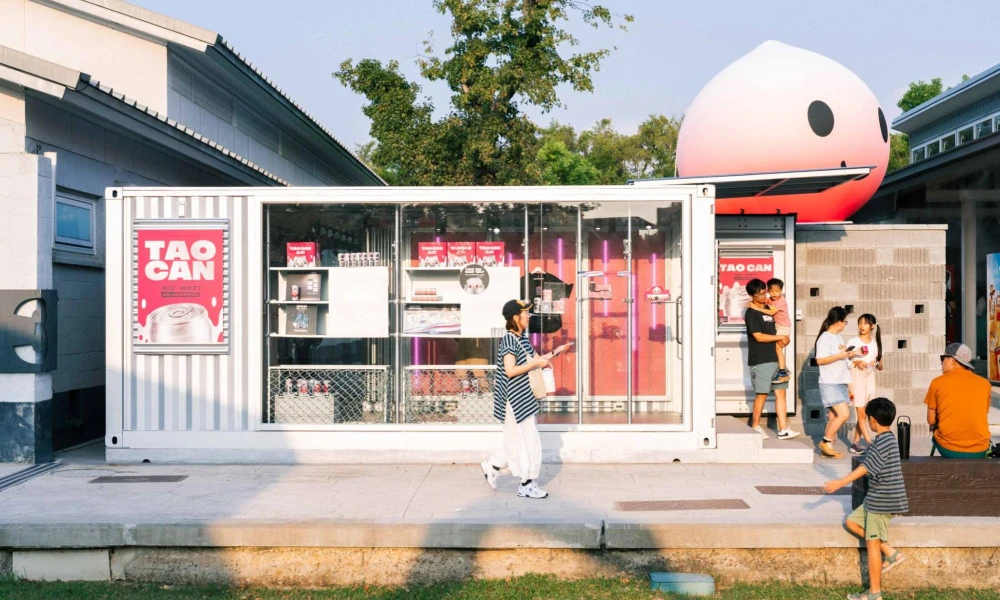
Flowmomo, the Expo’s mascot, was designed by Akibo of Akibo Works. Combining the image of a Lala Mountain peach with a set of signature landing gear, the character brings together Taoyuan’s local produce and its role as an aviation gateway in a friendly, accessible way. From the visual identity and exhibition spaces to limited-edition merchandise, TAOYUAN in FLOW evolved into a recognizable visual identity for the city, connecting with the public through exhibition spaces, merchandise, and everyday experiences.
Two Main Exhibition Areas in Qingpu and Zhongli, 16 Themed Exhibitions Showcasing Taoyuan Through Design
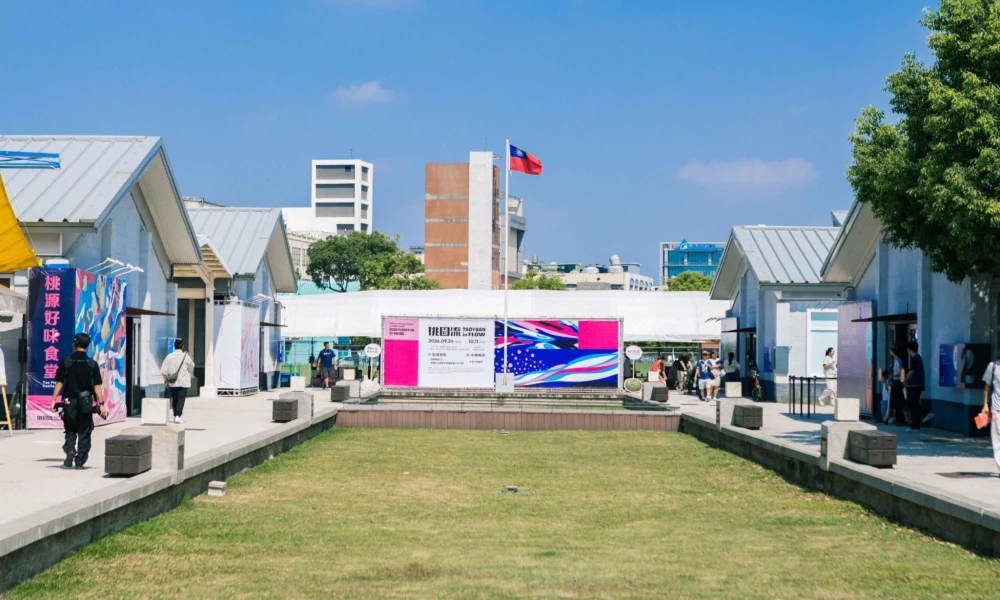
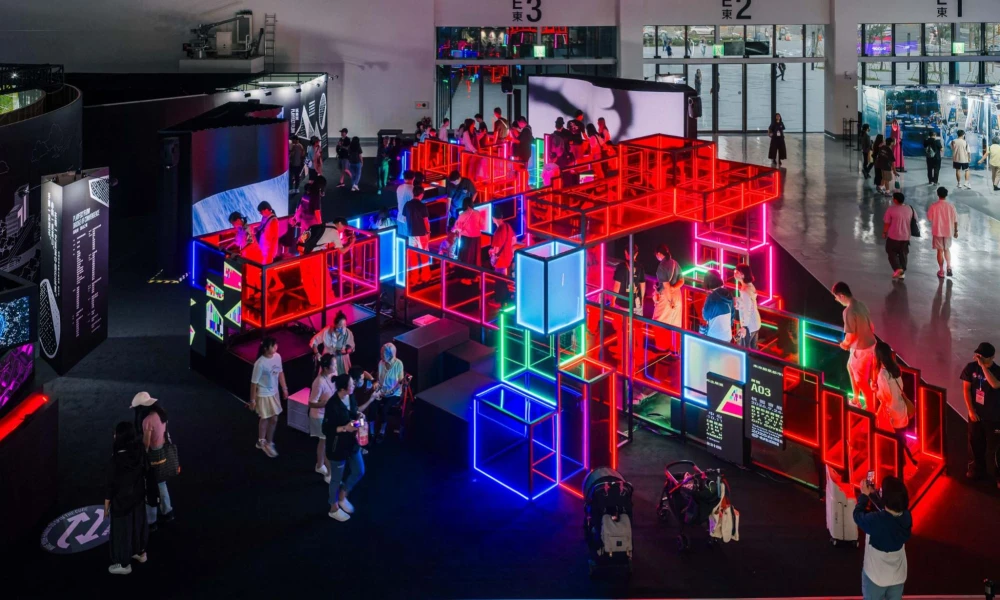
This year’s Expo was organized around two main exhibition areas in Qingpu and Zhongli, with three principal venues: the Messe Taoyuan, the Qingpu Branch Taoyuan Public Library, and Chung Yuan Cultural and Creative Park. The 16 themed exhibitions explored industrial innovation, urban governance, circular sustainability, cultural diversity, youth design, and other subjects, inviting visitors to view Taoyuan from different perspectives. The areas were also connected to 5 City Exhibits and 22 Design Response events.
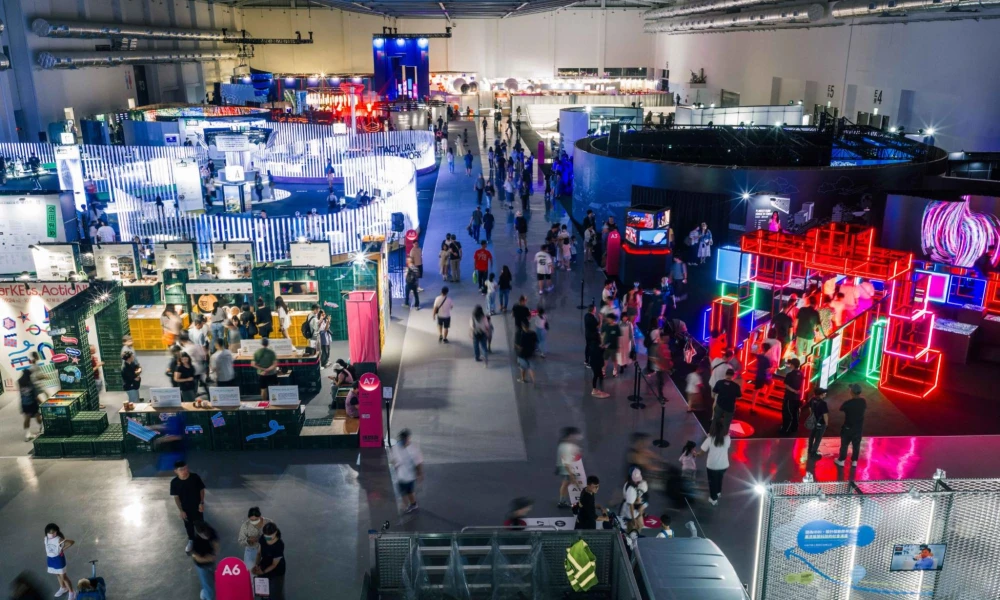
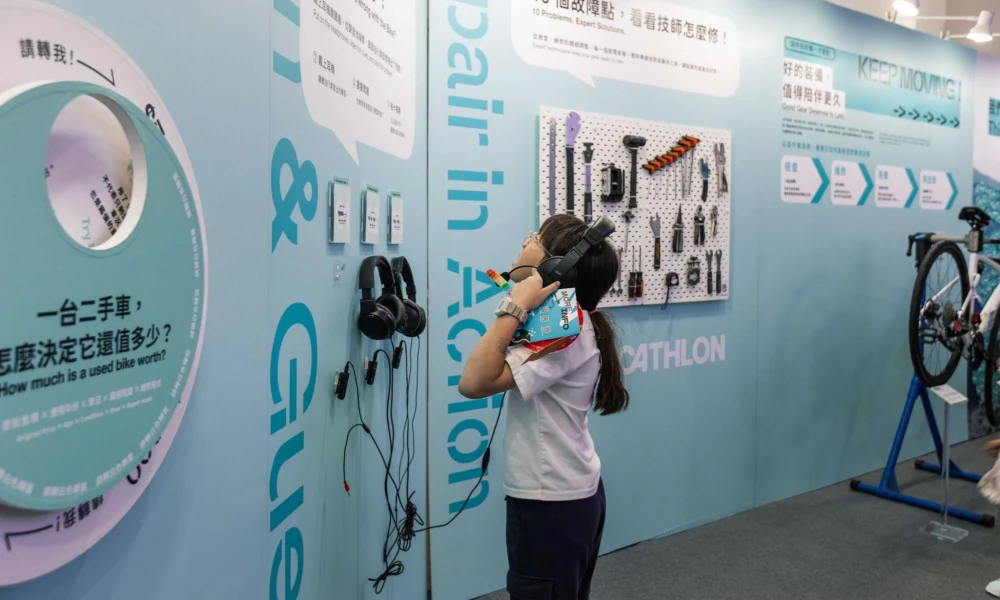
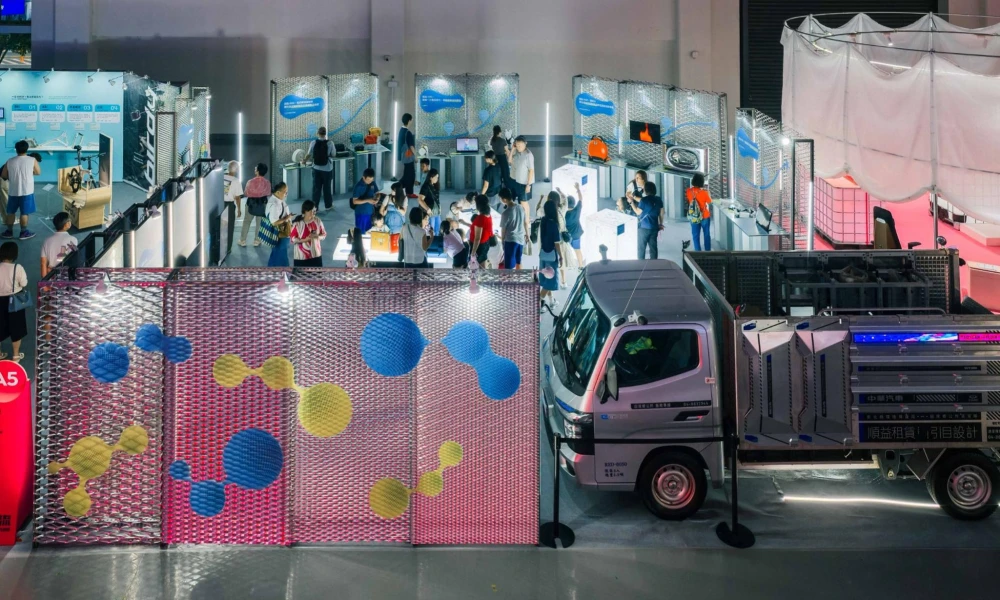
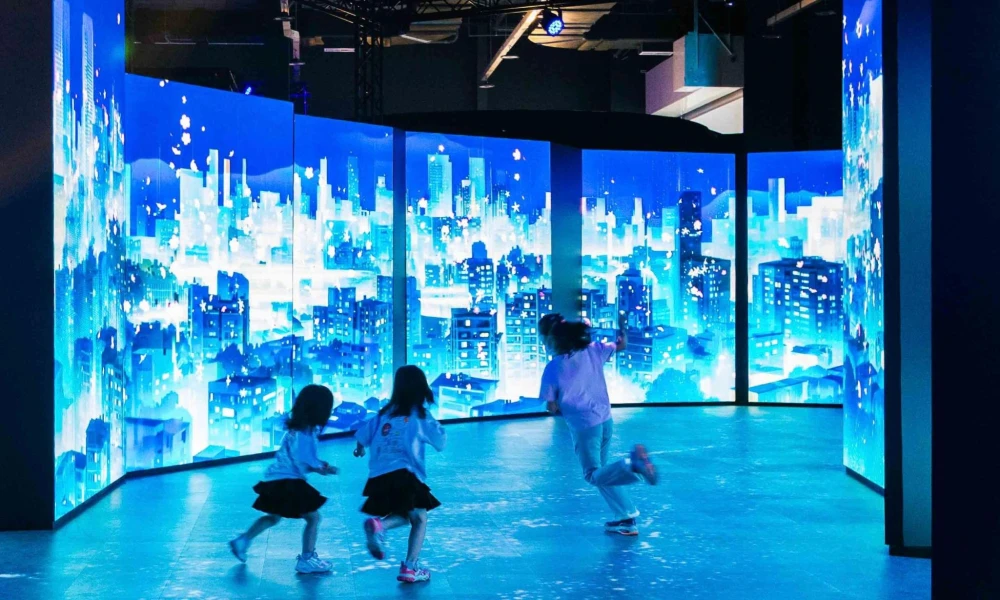
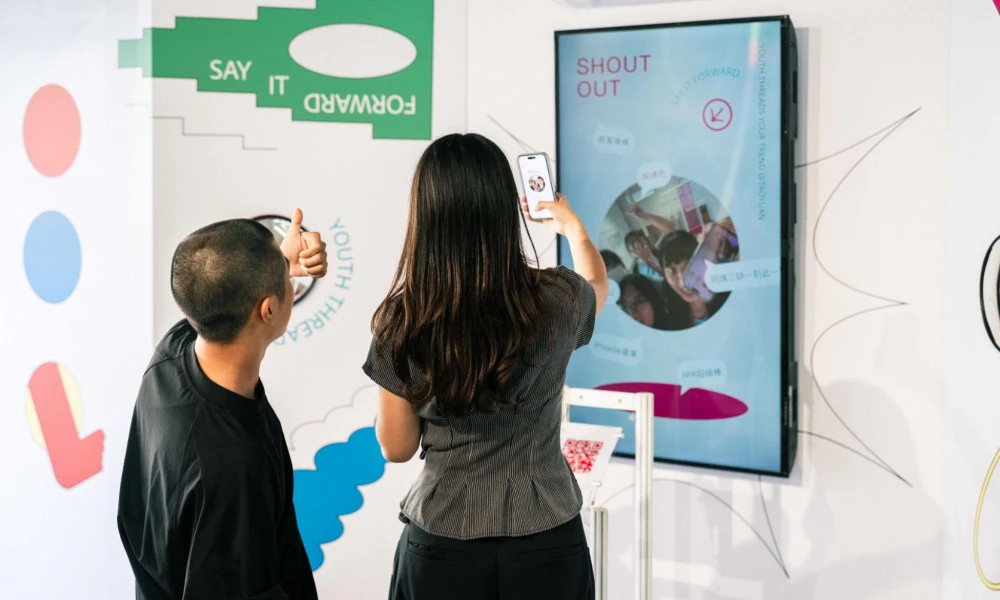
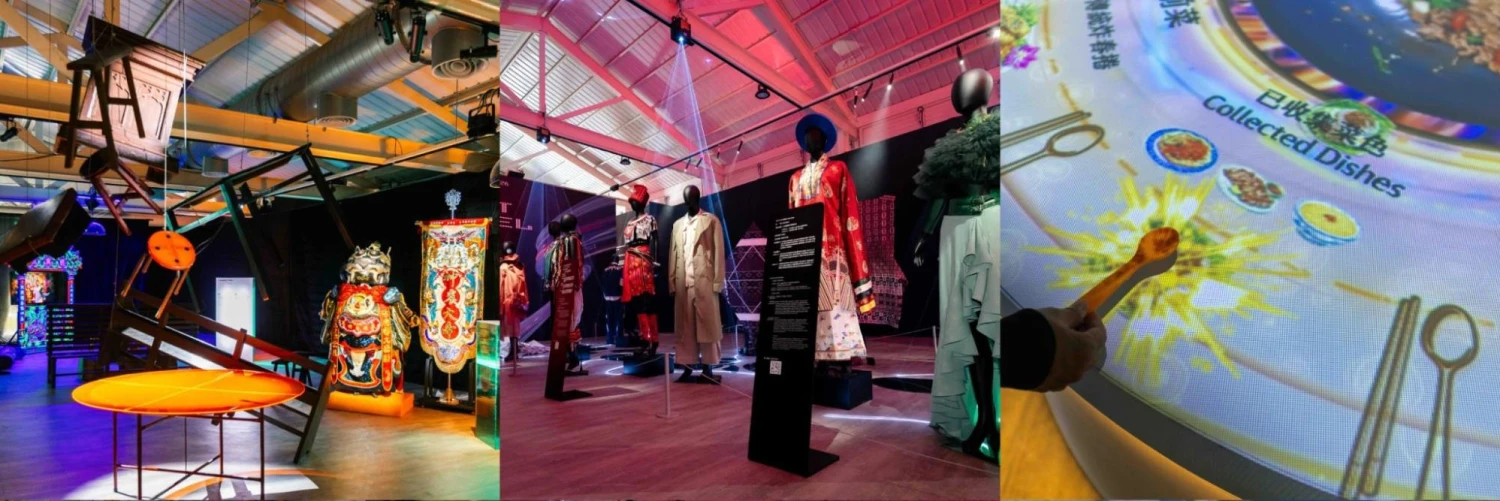
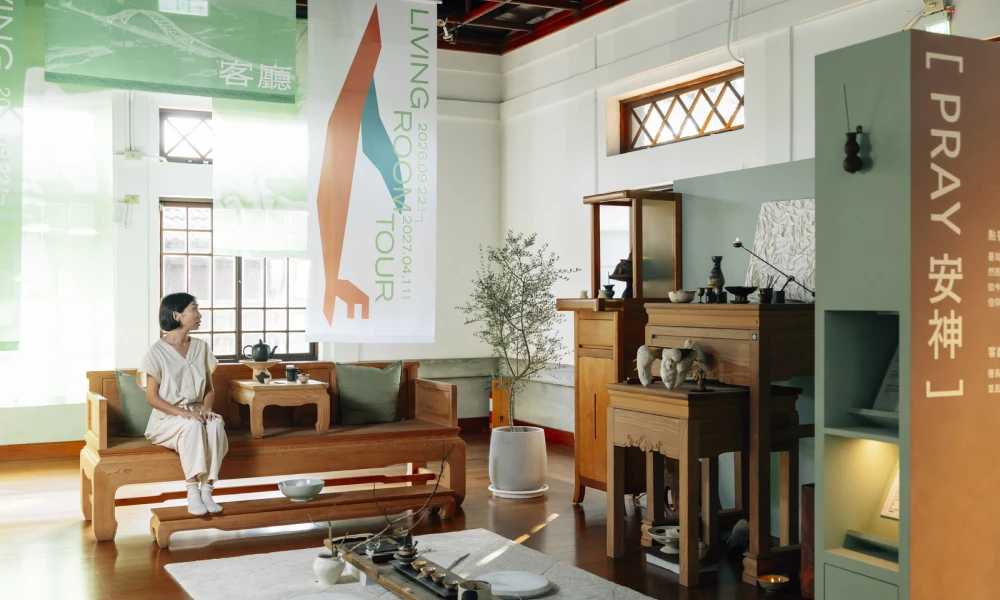
The Qingpu area focused on Taoyuan’s industrial prowess, urban development, and future lifestyles. Exhibitions explored global manufacturing and logistics networks, industrial design-driven innovation, circular sustainability, and smart city applications. Visitors could also encounter the city’s waterscapes and cultural memories through immersive presentations, technology-based interactions, and cross-disciplinary works. These experiences brought Taoyuan’s stories to life, revealing a city with both industrial depth and human warmth. The Zhongli area focused on multicultural diversity and youth creativity. Through themes including faith, food, clothing, and youth-led work, it presented the everyday intersections of different communities and traced how young designers develop their practice locally and connect with international peers.
From Exhibition Halls into the City: Discover Taoyuan Through Design
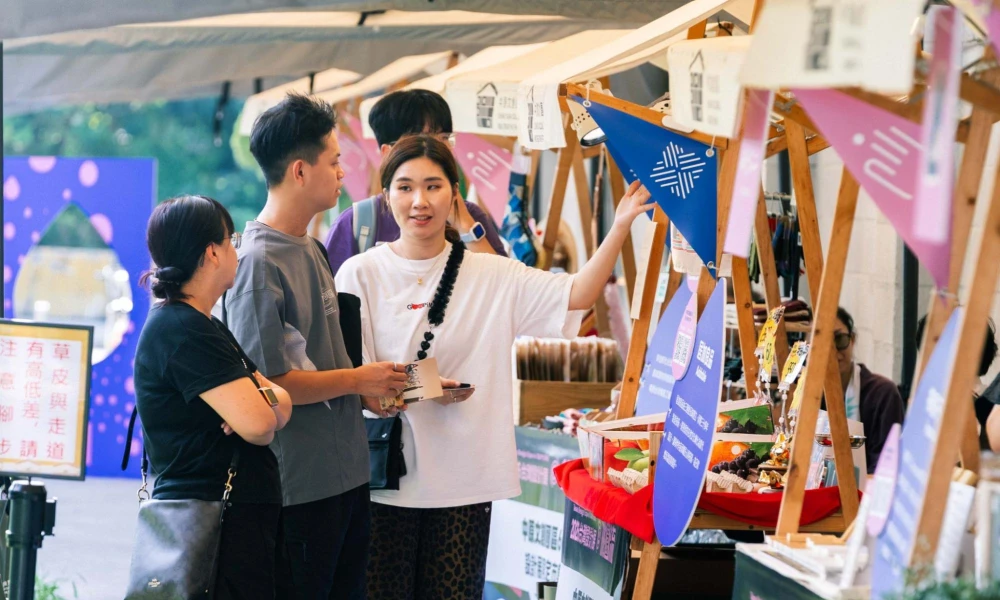
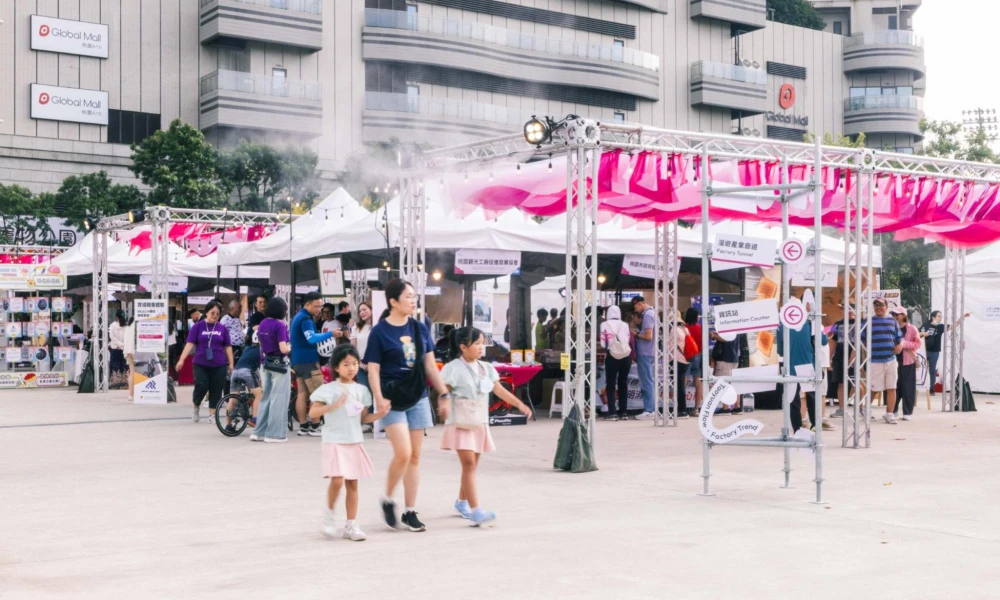
During the Expo, 5 City Exhibits and 22 Design Response events across the city extended the visitor experience beyond the main exhibition areas. Design dining, markets, forums, music festivals, digital stamp-collection activities, and more connected the exhibitions with Taoyuan’s neighborhoods and local destinations.
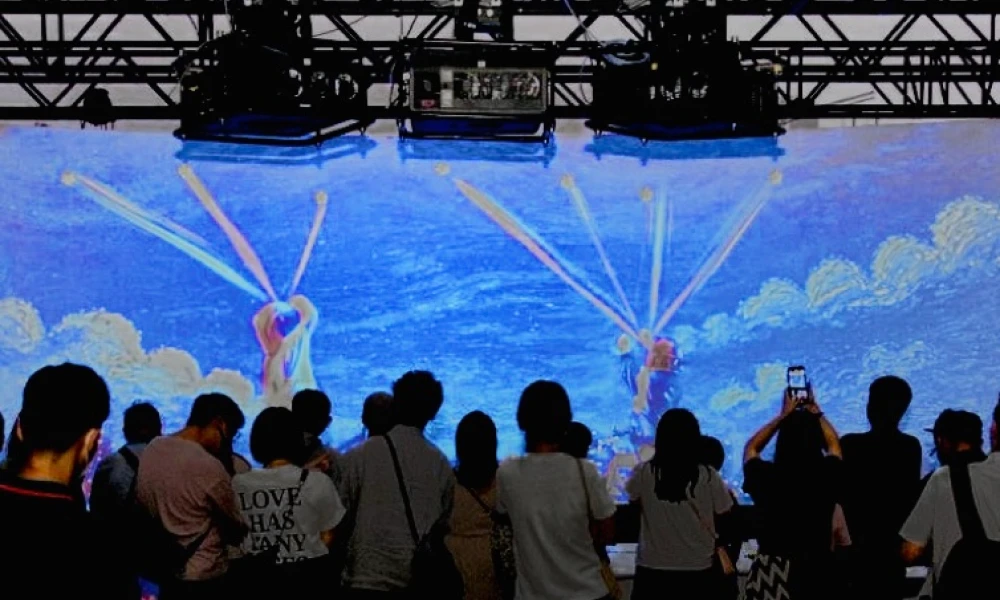
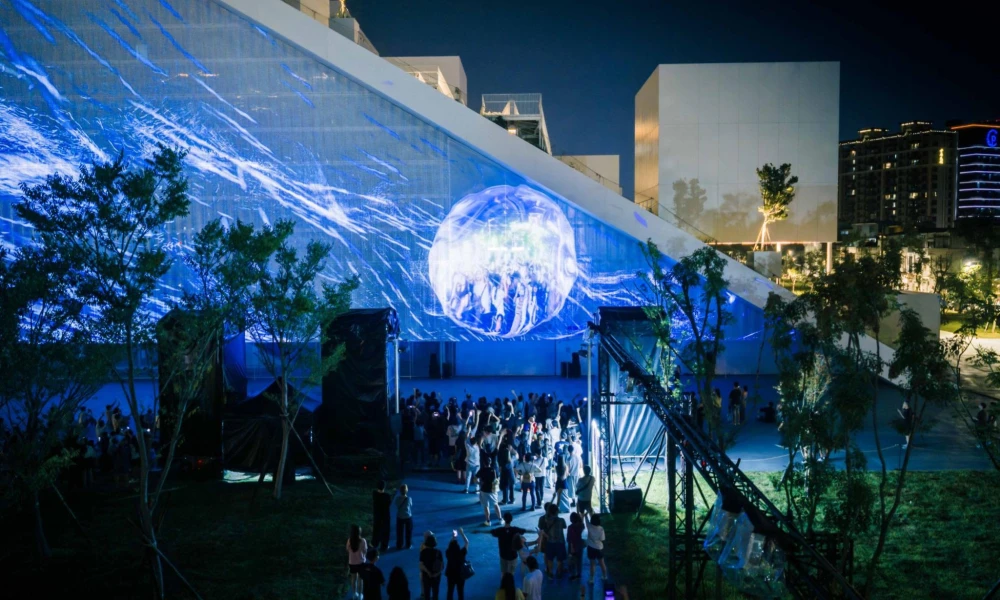
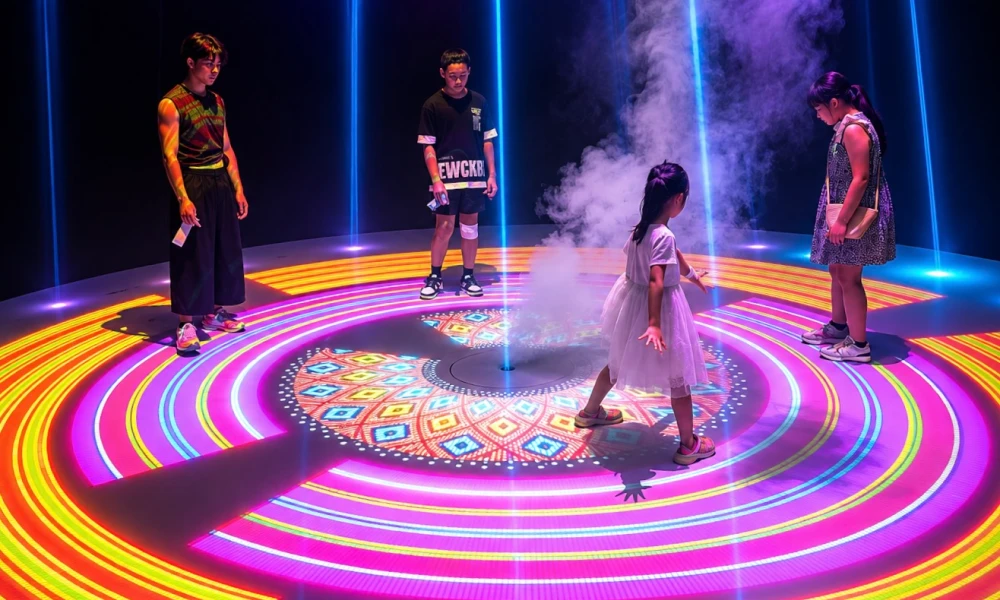
The Mirror of the City light show became one of the Expo’s most popular evening attractions. For the first time, the Taoyuan Museum of Fine Arts Open Space opened during the Expo. Combining water mist, lasers, projection, and Web-AR interaction, the show brought together Taoyuan’s waterscapes, people, culture, and industries in a large-scale immersive display. Visitors moved through the light and took part in interactive moments, experiencing the vitality of a city in motion. The show became a major evening attraction in the Qingpu area.
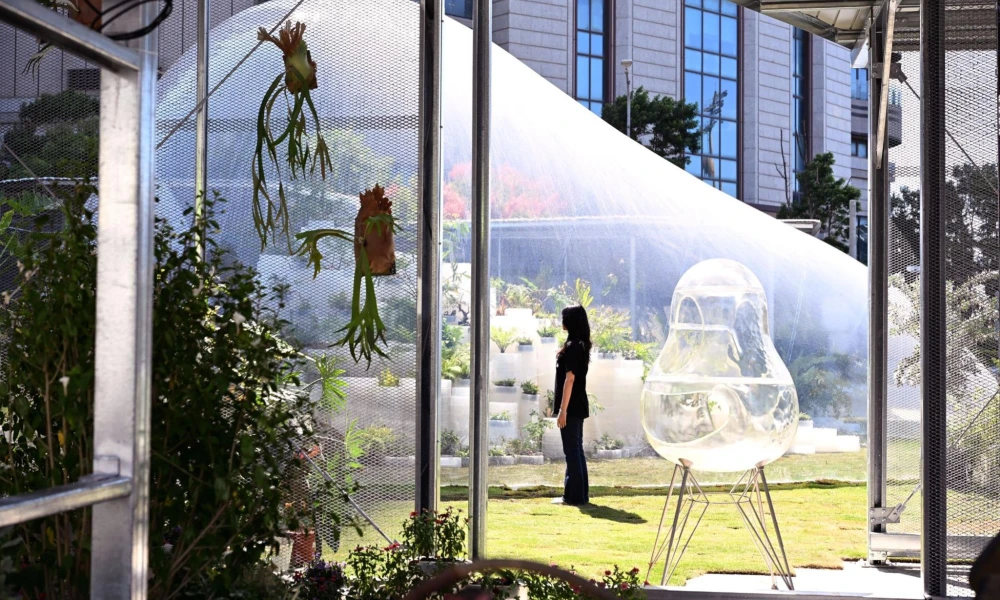
Another popular Design Response event, “Taoyuan Luma Ark,” was curated by artist PU CHEN. A transparent, spherical greenhouse, plants, and digital technology came together to form a Future Ecological Observatory, bringing Taoyuan’s agricultural landscapes—from coastal plains to mountain forests at an elevation of 2,000 meters—into the exhibition space. A 10-meter immersive screen transformed data on soil, moisture, climate, and crop growth into flowing light. The project also connected local produce with young agricultural brands, helping visitors understand the relationship between land, smart agriculture, and everyday life, and showing how Taoyuan agriculture brings technological innovation together with a deep connection to the land.
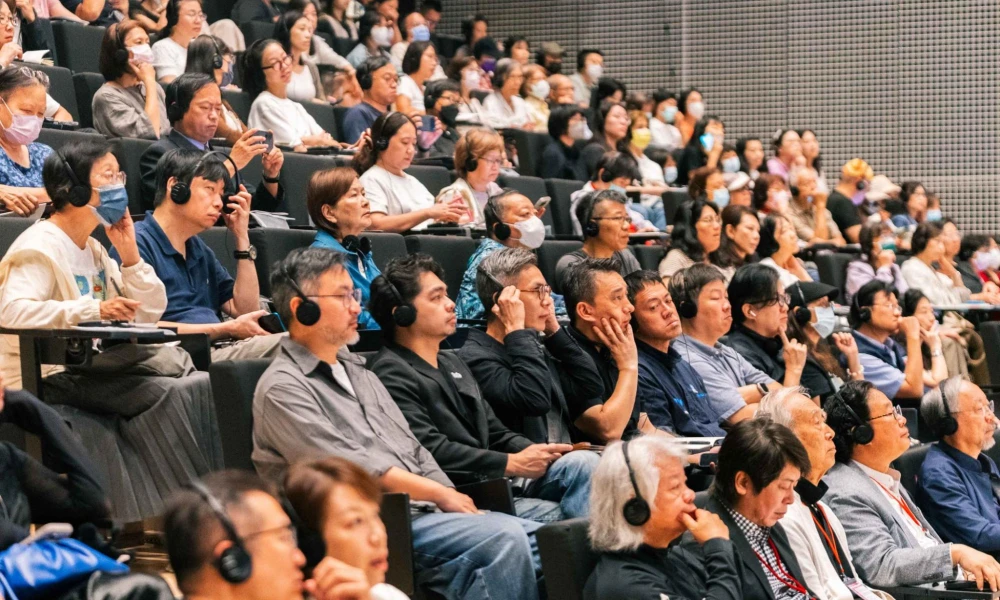
International forums, youth workshops, and cross-border exchanges also brought perspectives and experiences from other cities to Taoyuan. With designers, businesses, schools, and public agencies taking part, the Expo became a platform for exchange and co-creation—connecting local issues with international perspectives and laying the groundwork for future collaboration.
Design Arrives Two Years Early: Central and Local Partners Drive Urban Change
In recent years, the Taiwan Design Expo has continued to advance the integration of design into urban governance. Preparations begin two years in advance, with the Industrial Development Administration, Ministry of Economic Affairs, and the Taiwan Design Research Institute (TDRI) working alongside central government partners, including the Administration of Commerce, Ministry of Economic Affairs, and the Resource Circulation Administration, Ministry of Environment. This extended preparation gives design teams more time to understand local needs, build partnerships, and put plans into practice, bringing design thinking into local industries and commercial districts.
Chung Yuan Commercial District Identity Renewal: Connecting Campus and Community
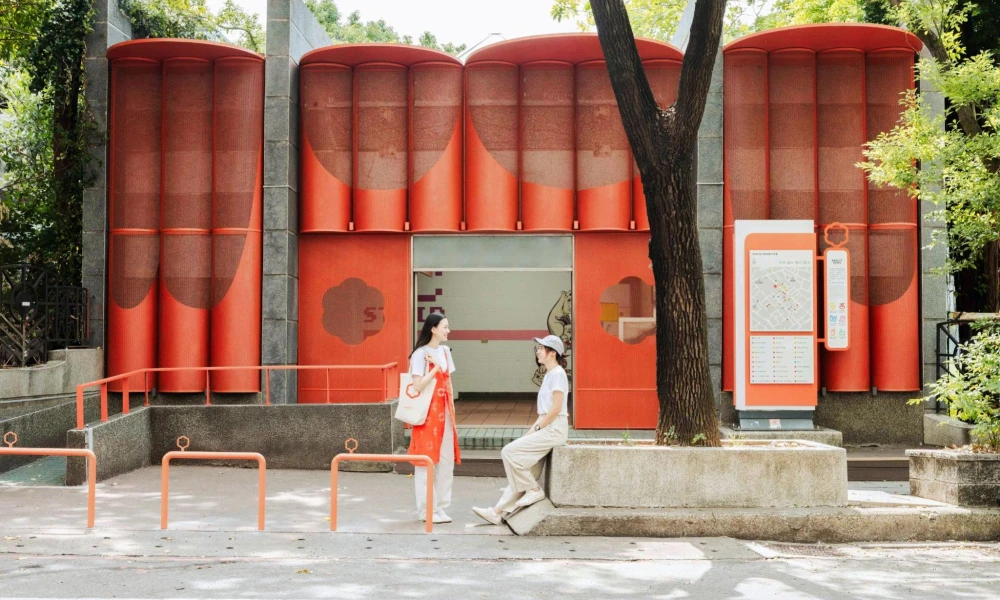
Grounded in the close relationship between the campus and the surrounding commercial district, the project focused on commercial district and campus integration. Through brand identity, environmental signage, and street circulation design, it brought together details such as shop awnings and public utility boxes. A consistent design language now extends across the neighbourhood, strengthening the district’s identity and making it easier for residents and visitors to explore its character.
Industrial Design-Driven Innovation (IDDI): Exploring Business Transformation Through Needs and Strategy
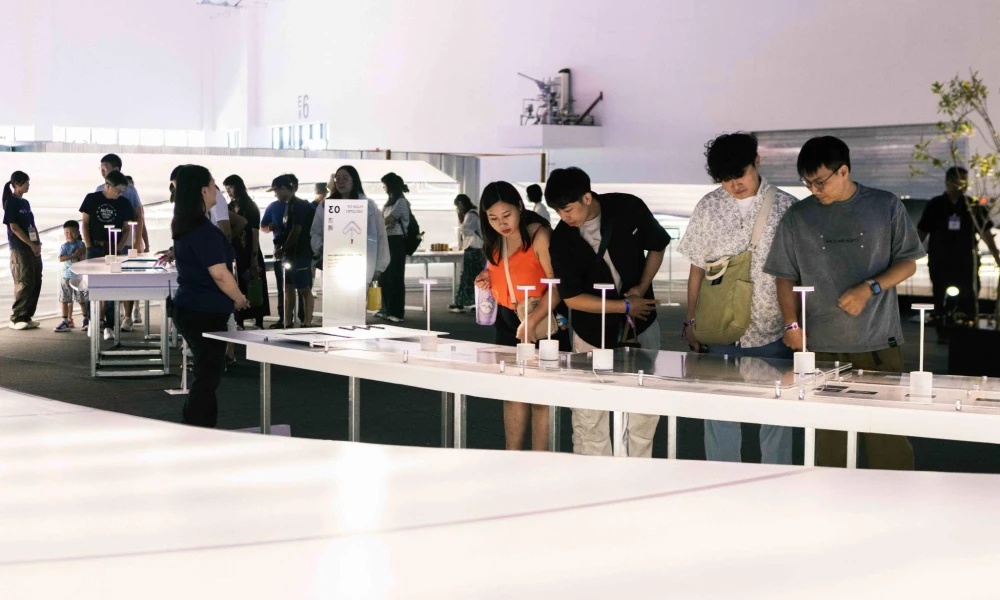
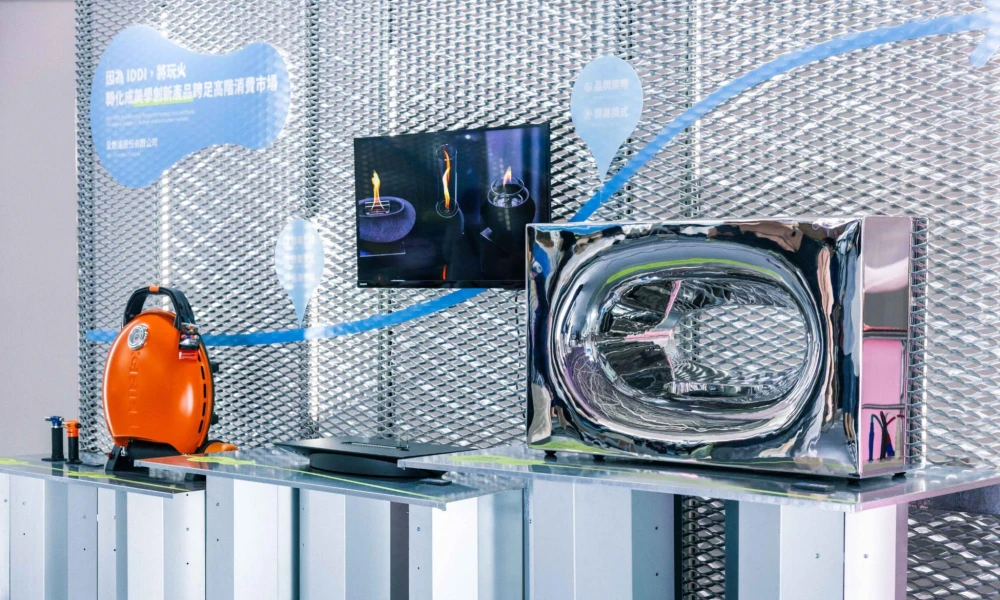
Through the IDDI program initiated by the Industrial Development Administration, Ministry of Economic Affairs, businesses are encouraged to reassess their needs, connect with new resources, and move beyond conventional frameworks—turning every step of change into an opportunity to shape what comes next. The exhibition shows how design can contribute to industrial development and help turn technical expertise into products and brand value that are easier for the public to understand.
COC Urban Industry Innovation Plan: Bringing Manufacturing into Everyday Life
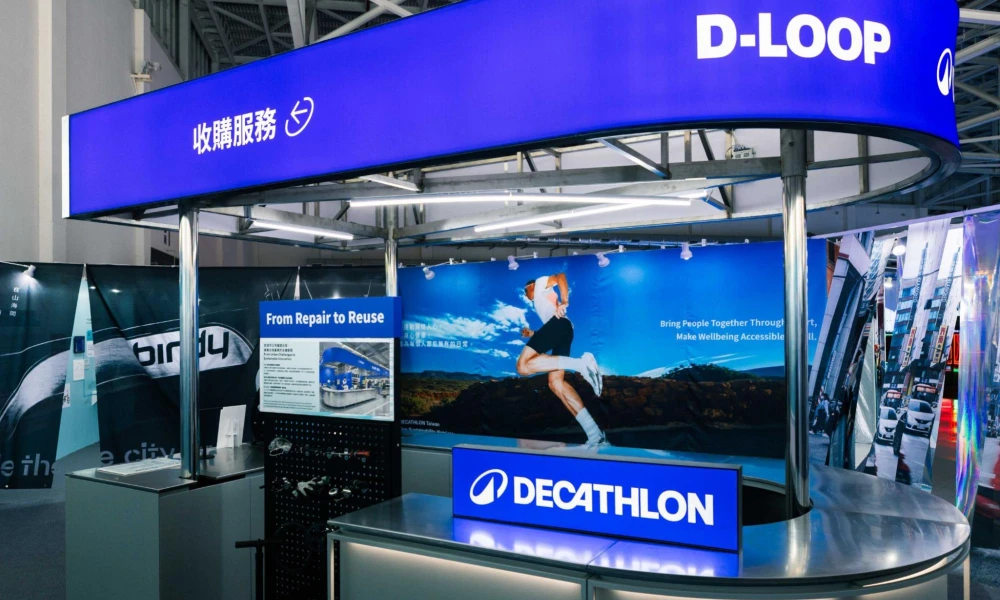
The COC Urban Industry Innovation Plan connects design expertise with industrial resources to explore new relationships between technology, materials, and everyday applications. By integrating design into industries and embedding it into daily life, this initiative empowers Taiwan-based manufacturing brands to be more than vital partners in the global supply chain. They can also leverage their design prowess to create brand value, propelling local industries onto the world stage.
These collaborations extended the curatorial process into broader aspects of urban development. Starting with an understanding of local needs and a clear definition of challenges, design helped partners identify ways to improve the city. The Expo provided a platform to present results, exchange experience, and build shared understanding, showing how design can contribute to public services, industrial innovation, and everyday life.
The Expo Ends, but the Conversation Between Design and the City Continues
Over 18 days, the 2026 Taiwan Design Expo TAOYUAN in FLOW brought to life the work of central and local government, design teams, and industry partners over the past two years. Through urban rebranding, local cultural curation, industrial innovation showcases, and public space enhancements, the 2026 Taiwan Design Expo TAOYUAN in FLOW empowered Taoyuan to tell its distinct story to the world while helping more people understand the driving force behind its continued growth. After the successful conclusion of the Expo, the impact of design will continue to accumulate and flow through local partnerships, industrial growth, and spatial improvements, opening up more possibilities for the city’s future.