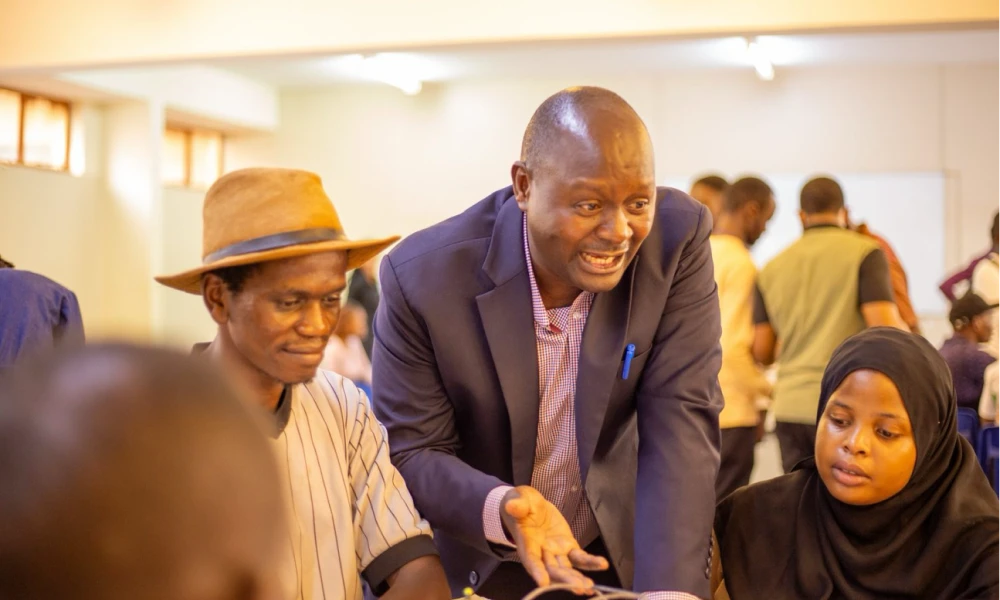
Dr Jorge Gómez Abrams spent two weeks with artisans at the SASA Industrial Design Bureau, culminating in a one-day Industrial Design Baraza at Makerere University.

This article was authored by Rogers Namunwa, Manager, SASA Industrial Design Bureau, Kisenyi-Katwe.

In July 2026, WDO Educational Member SASA College of Industrial Design opened the SASA Industrial Design Bureau in Kisenyi-Katwe, Kampala, where local artisans make everything from metal machinery and shoes to garments and furniture. Funded through Uganda’s Ministry of Science, Technology & Innovation, the Bureau teaches Industrial Design to artisans at their own level and in the vernacular.

Through the College’s membership of the WDO, SASA connected with WDO Regional Advisor Dr. Jorge Gómez Abrams, who first visited in April 2026 and returned for the Katwe Human Capital Development project. His programme ran from a maiden lecture to the artisans to a Baraza at Makerere University that put Katwe’s makers and Makerere’s design students at the same table.

66

Baraza participants

21

Artisans

37

Makerere students

4

one-hour design stages

Key moments

21 October
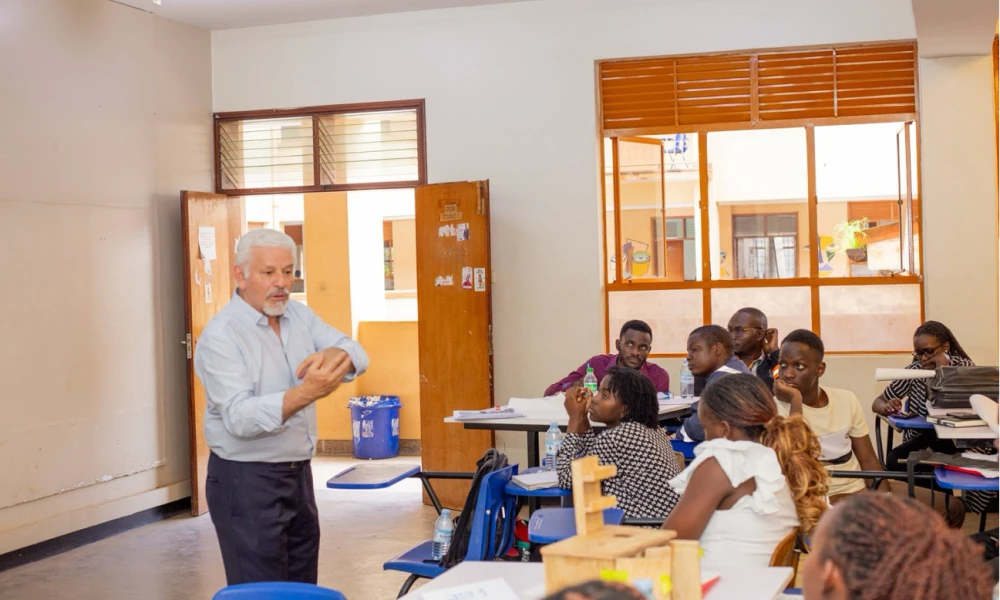
Dr. Gómez opened the visit with an interpreted lecture on design thinking, collective intelligence, human-centred innovation and value networking, and introduced WDO to the artisans.

22-23 October
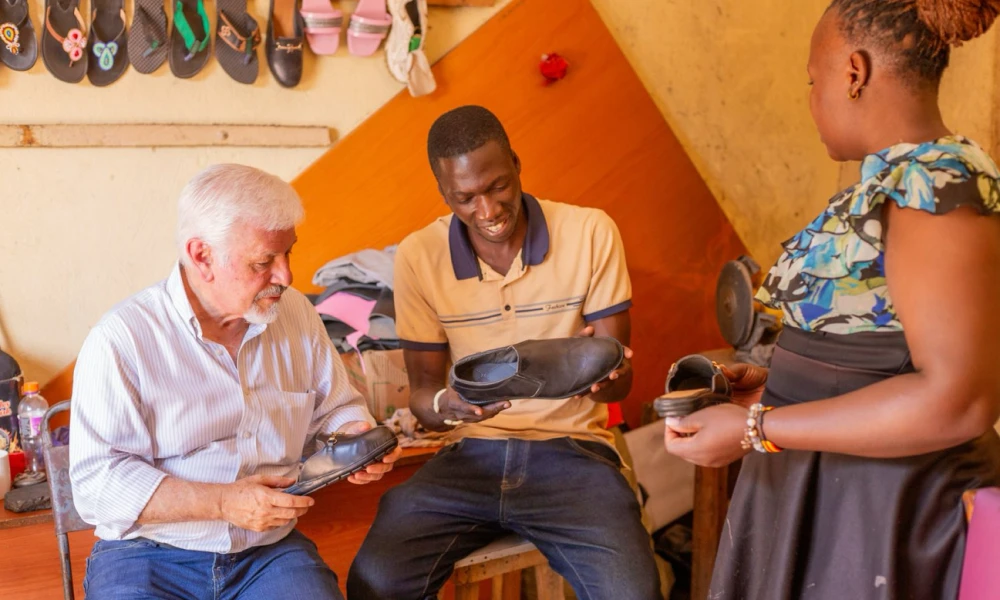
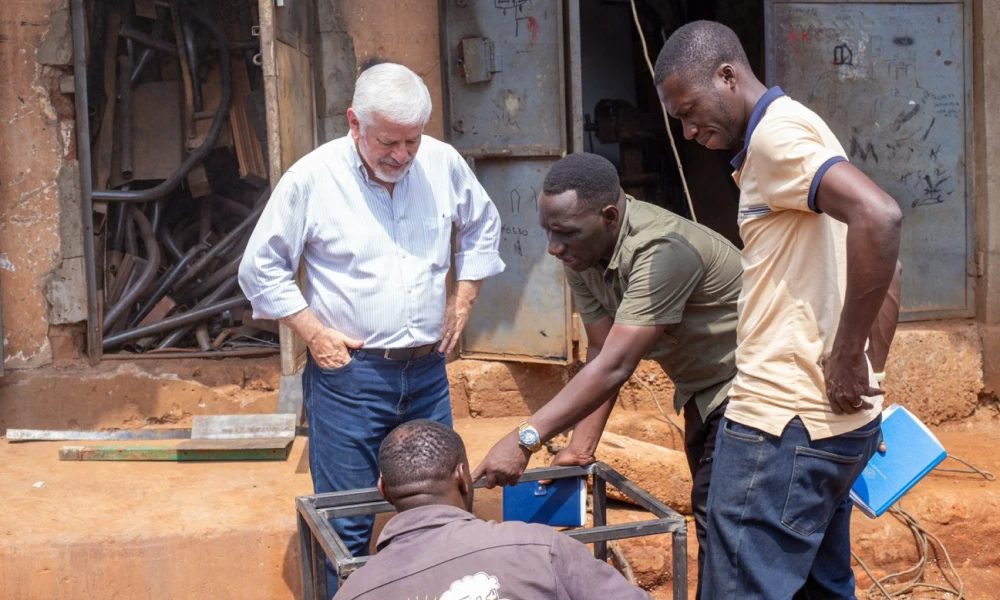
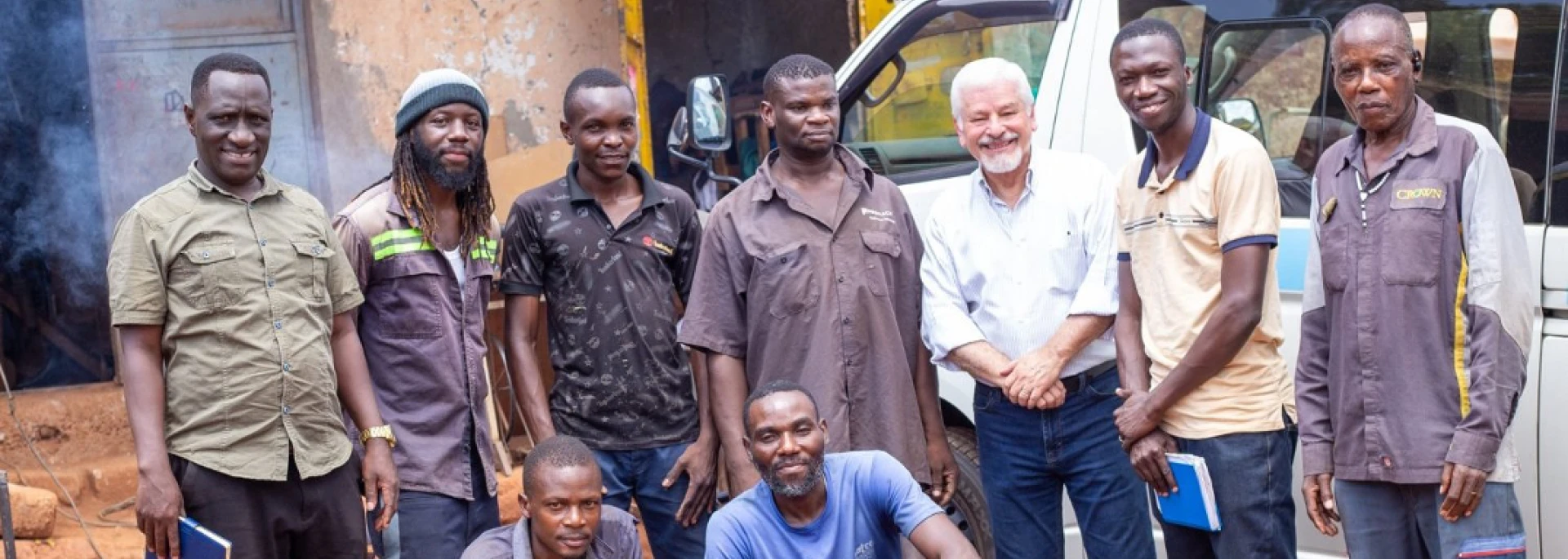
Visits to leather, metal and upholstery workshops in Katwe and Kisenyi, with on-the-spot advice on products, equipment and business.

24 October
A class for all artisans on how digital tools can strengthen design.

26-27 October
One-on-one reviews of each artisan’s design sketches, in four groups of ten or fewer, to move every project towards a feasible solution.

28 October
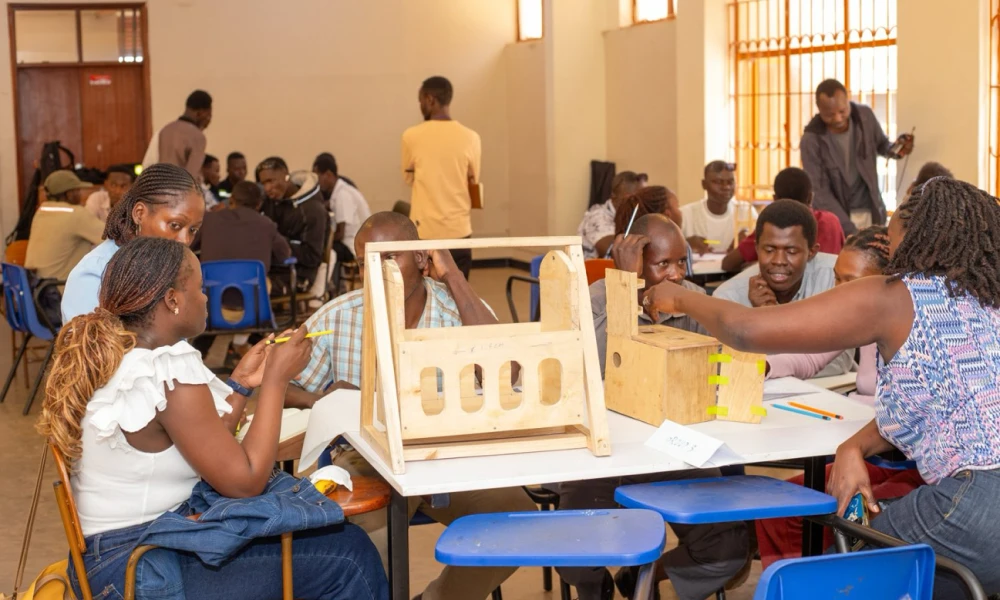
At the Department of Architecture, CEDAT, mixed teams of artisans, students and facilitators worked through a Human-Centered, AI-Powered Sprint Design Challenge, Beyond What We Make: Discover, Define, Imagine, Visualize.

29-30 October
The Baraza was evaluated at the Bureau studio on 29 October, and Dr Gómez gave final desk critiques on 30 October.

The visit in pictures

Examining footwear with makers in a leather workshop
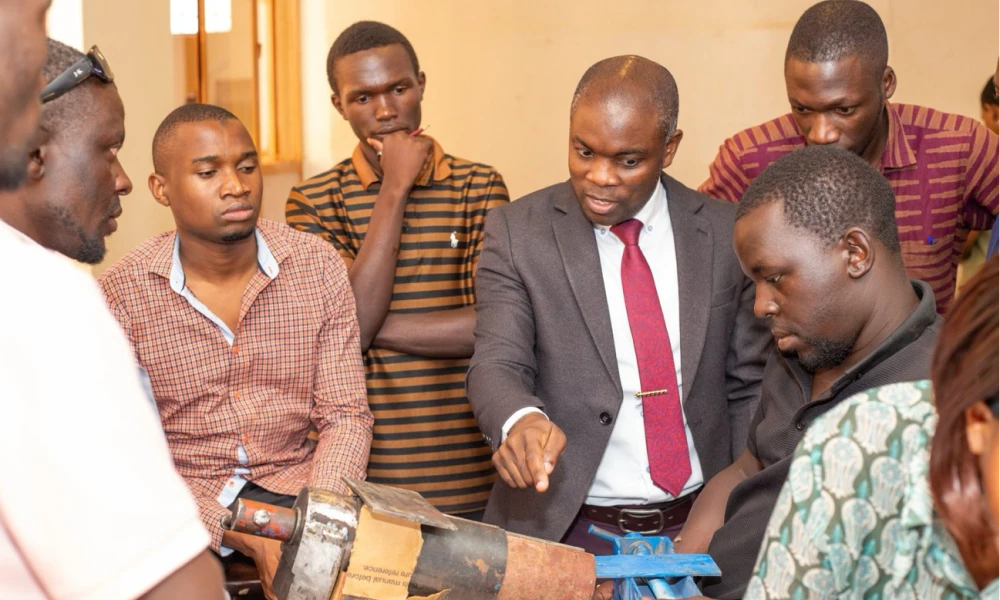
Reviewing a steel frame with fabricators
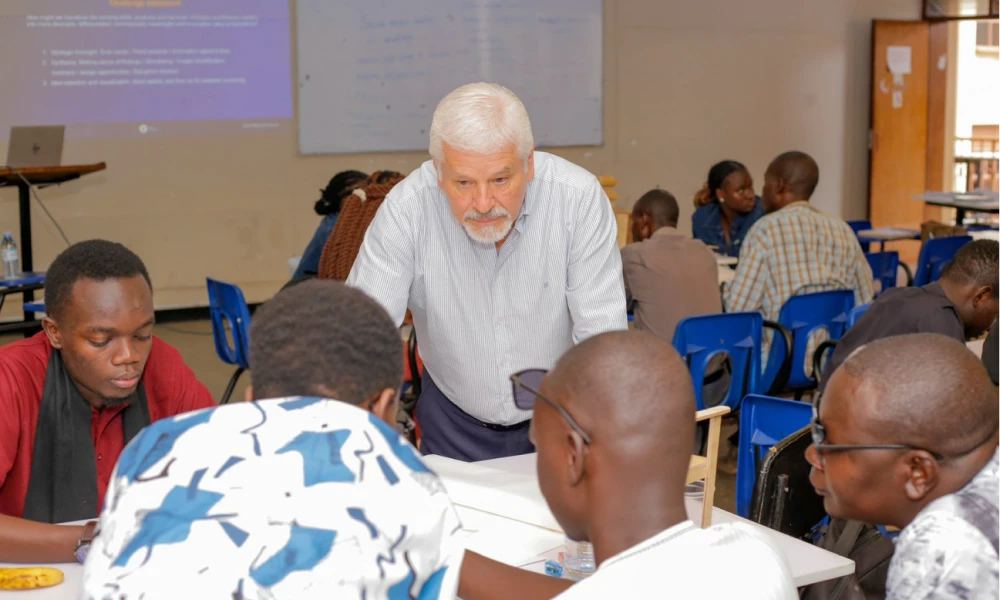
Dr Gómez addressing the teams at the Makerere Baraza
Teams at their tables with wooden prototypes and sketches
An artisan presents a metalwork prototype
Dr Gómez guiding a team as the challenge statement is projected
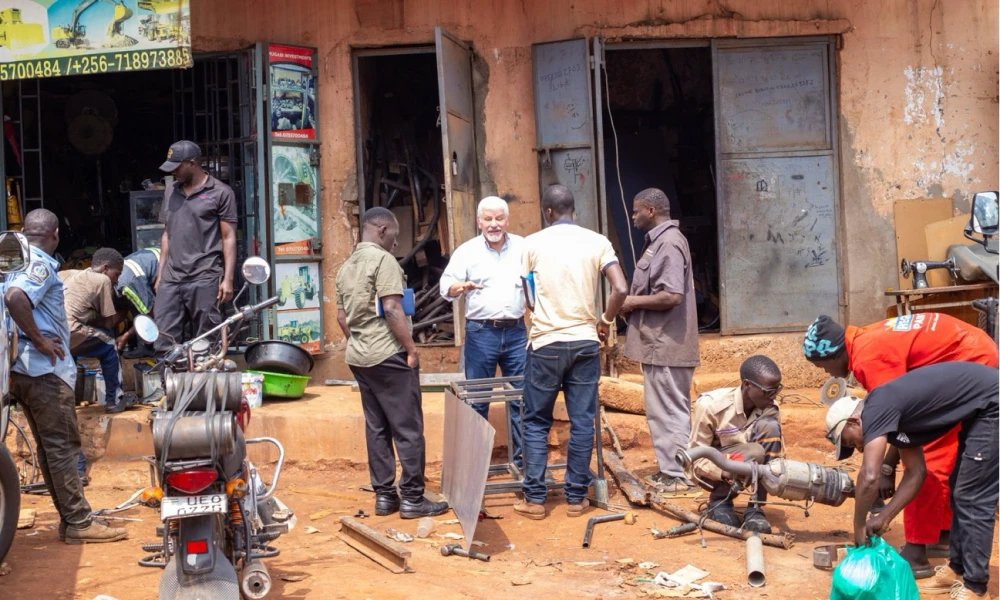
An open-air metal fabrication yard
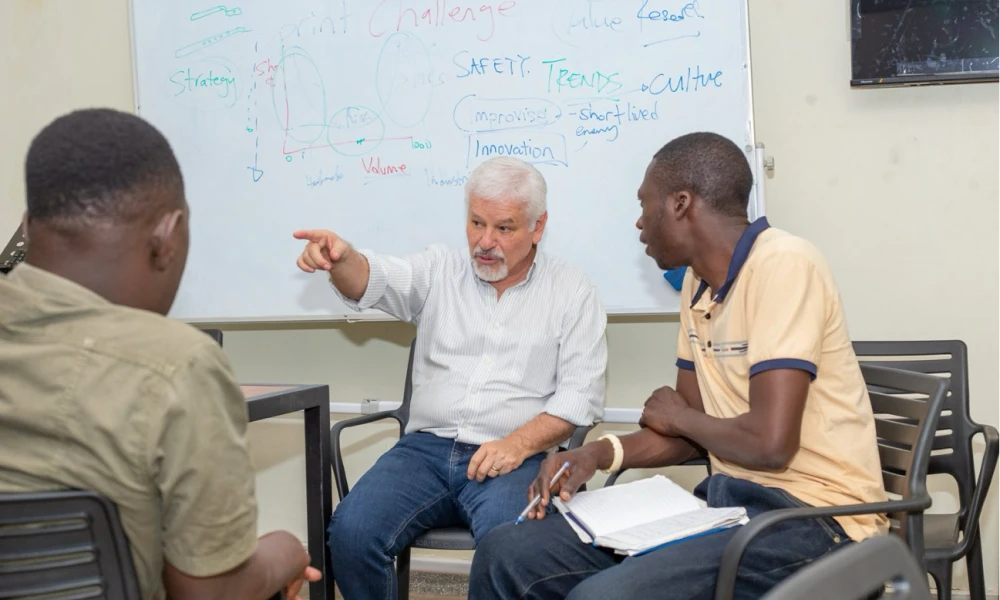
Whiteboard session on strategy, risk, safety and trends
Professor Ken guiding artisans and students at the Baraza

THE CHALLENGE

“Beyond What We Make” asked every team one question: how might we transform the existing skills, products and services of Katwe and Kisenyi makers into more desirable, differentiated, commercially meaningful and innovative value propositions? Concepts were compared on user need, differentiation, feasibility, commercial potential and social or environmental value.

What we learned

  • Katwe’s making skills are strong; the next step is designing beyond what artisans already produce.
  • Equipment and safety matter, especially in open-air metal yards.
  • Teaching in the vernacular, with interpreters at every session, keeps design within every artisan’s reach.
  • Artisan–student co-design works: both sides gained from sharing a table.

What’s next

  • Preparing the strongest projects for presentation to the Honourable Minister.
  • Formalising a partnership with Makerere’s College of Engineering, Design, Art and Technology (CEDAT).
  • Follow-up training in sketching, digital tools and AI-assisted design.
  • Exploring a twinning of Kisenyi products with designers in Mexico.

The Bureau thanks Dr Gómez and the WDO, the SASA Board and College leadership, the Ministry of Science, Technology & Innovation, the Department of Architecture at Makerere University, and above all the artisans of Katwe and Kisenyi, whose work was the heart of the visit.