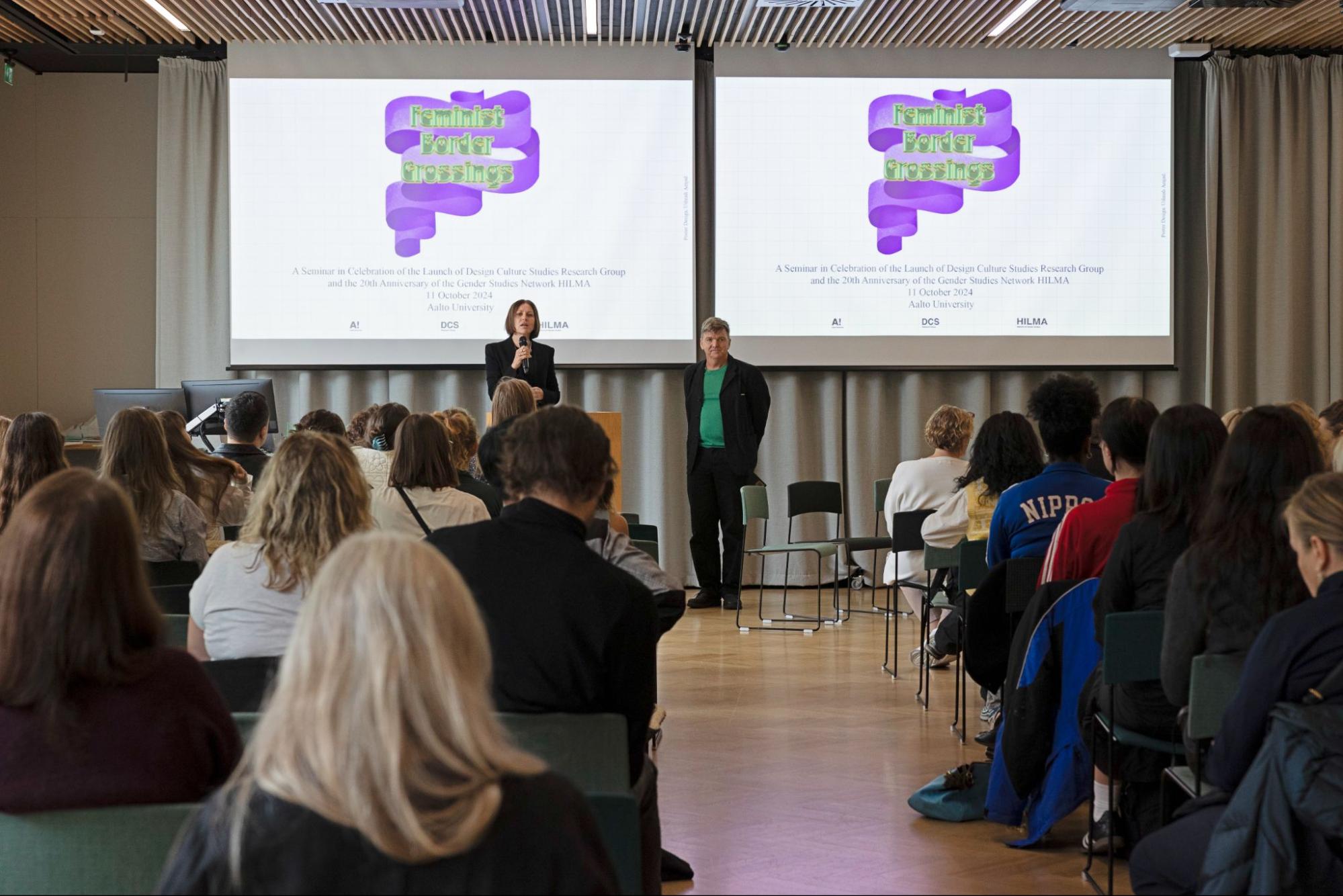
Established in early 2024 as a collective of 12 researchers from the Department of Design at WDO Educational Member Aalto University, the Design Culture Research Group is unlike other research groups within the university’s department of design.
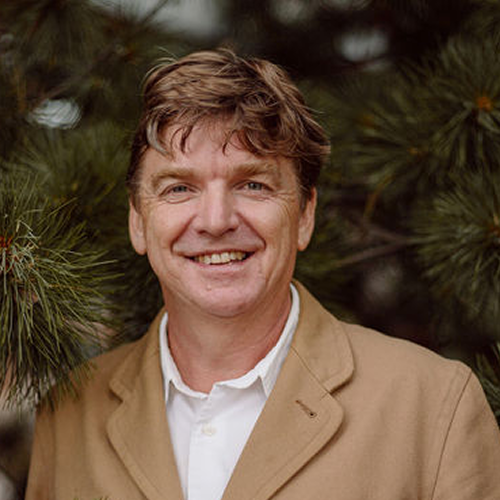
Their work, which blends a vast array of academic disciplines, is less concerned with the problem solving aspects of design but rather opening up what design means in various contexts. “We felt a common cause in seeing a need for deeper, more complex understandings of the significance and functions of design in contemporary societies,” notes Guy Julier, who along with fellow researcher Annamari Vänskä, co-leads the group. In a conversation with WDO, Guy and Annamari share more about their research at the intersection of design, cultural expression and contemporary society.
Can you describe the mission of the Design Culture research group? What types of conversations are you looking to spark through your work?
We have an overarching mission to expand Design Culture Studies both within Aalto University and more generally and are currently working with an international network of like-minded groups and individuals to consolidate and grow the discipline. There are many others around the globe doing work like ours. But the panorama is very fragmented, so we see a need to join people up and build a stronger sense of what we are doing and where we are going. There has been huge growth in the design profession around the world in the past decades. However, the disinterested study of design – Design History, Design Studies or Design Culture Studies – has not been able to keep pace with this growth, either with regards to its size or its variety of practices or contexts, apart from perhaps fashion studies which has been growing steadily within the field.
Within the research group a key topic of conversation is about our relationship to design practice and the meanings of design in socio-technical contexts. Design Culture Studies scholars are usually to be found working in design schools, where the subject is seen as a support or add-on to practical studies, companies or museums as curators and pedagogues. We wonder if new forms of design practice can’t come out of DCS itself – new ways of mediating, perceiving and interacting with the world in which deeper, contextual and critical understanding is more present, but also where an attunement to constant shifting qualities around us is alive.
The research group comprises a diverse array of individuals from across Aalto University’s Department of Design. Tell us a little bit about how the group’s members aim to collaborate across different focus areas.
The group includes researchers with backgrounds in cultural studies, gender studies, fashion studies, anthropology, environmental politics, sociology, business studies, design history, and design practice. Design Culture Studies (DCS) takes in a vast array of academic disciplines, methodologies and theoretical perspectives. It is itself a relatively new and essentially transdisciplinary specialism and we are constantly sharing new approaches with one another. Quite simply, what we all have in common are two things: one is a starting point in design – its objects, process, meanings; the other is in seeing the need to collaborate across disciplinary backgrounds in the humanities and social sciences to study design.
What kind of projects does the group work on? Has there been one project to date that has really stood out to the team?
We are currently completing two projects, one funded over four years by the Research Council of Finland and the other for six years by the Strategic Research Council and involving several post-doctoral and doctoral researchers. One is on the impact of digitalization on creative work with a focus on fashion and games, and how datafication is changing creative work, creative processes, the profession of designer, the fashion products and their consumption.
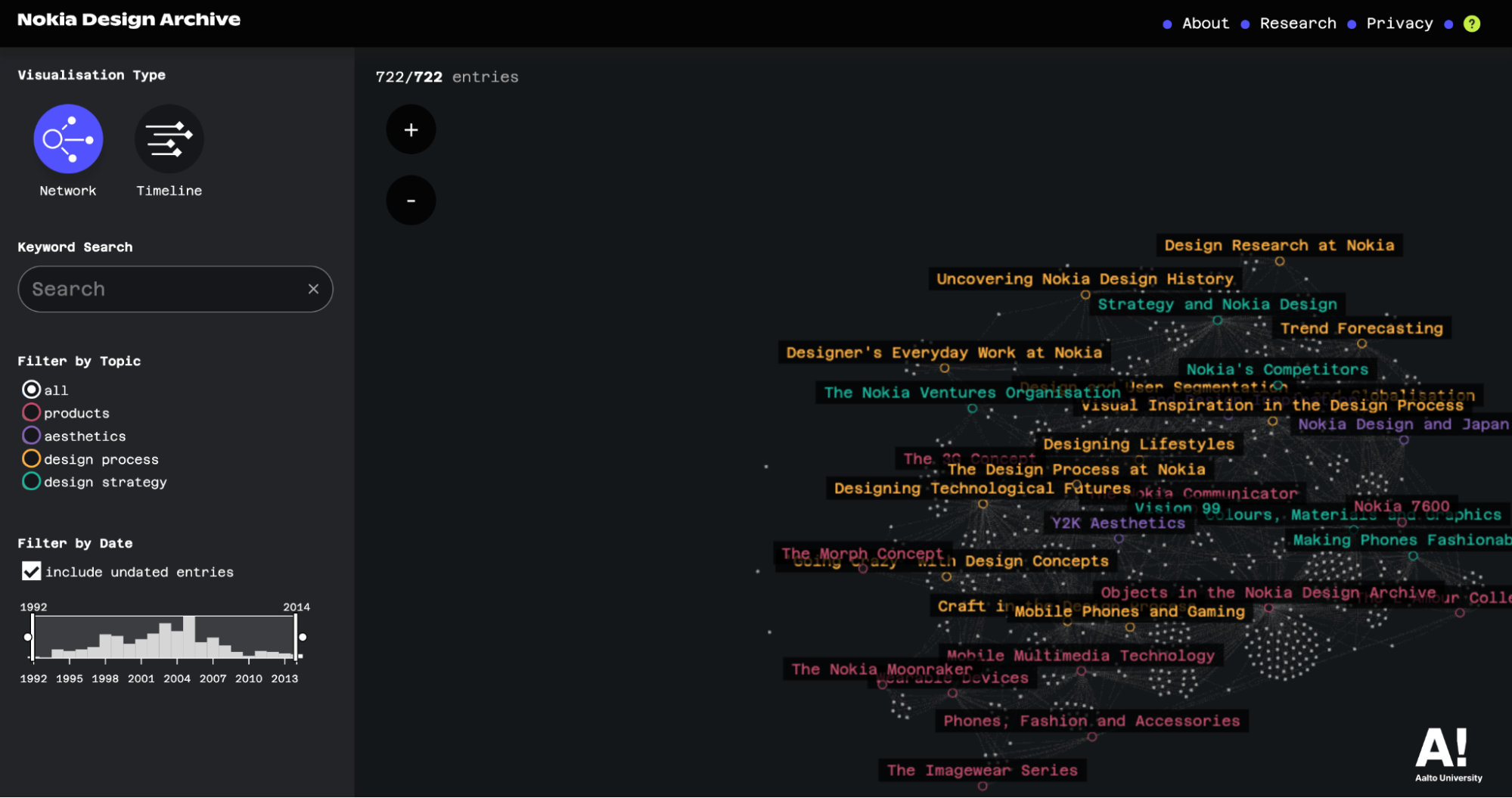
The other is a study of Nokia. At Aalto we have an amazing archive of Nokia’s design work from the 1990s and 2000s. While this is an historical archive, some of our research helps us understand things like the organization of design in large organizations or how new design techniques emerge. There are also individual projects on things as diverse as the material culture of Ukrainian refugees, fashion and dirt, design meanings in Korea and the impacts of modern infrastructures in rural Finland. Feminist issues and questions of diversity, inclusivity and equity in design also cut across several projects.
Your group focuses on exploring the significance of design in contemporary society. In what ways is pop culture a consideration within this research?
Design isn’t just about what designers do and Design Culture Studies is concerned with all aspects of design. We research all kinds of design objects – fashion, digital, environmental and so on – but, also, all the locations where design is found. Thus, an important part of our work is in researching design and everyday life. At times, this means leaving behind an idea of the designer as a professional specialist, and thinking about how things are shaped by ordinary people. Questions of activism, aims to change the status quo, do-it-yourself, grassroots making or garage coding, for example, come into view here. These are where studying design in contemporary society has to engage with pop culture.
With Aalto University being based in Finland, we are wondering if there is something that makes Finnish pop culture unique when compared to other parts of the world?
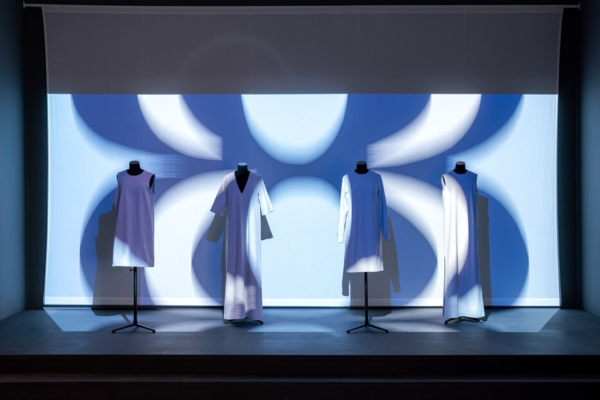
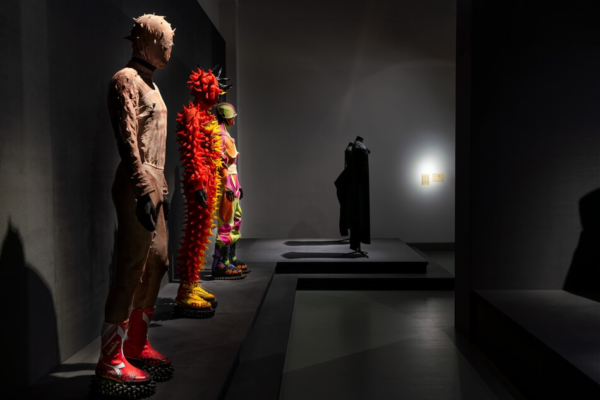
Every place has its particular cultural expressions. But it is impossible to talk about ‘pure’ or unique forms of pop culture. Popular culture functions – and this is part of its beauty – through the constant movements and re-uses of ideas. It is a constant work of translation. Of course, there are popular culture forms in Finland that are specific, but they are hybrids and translations. For instance, tango music and dance is a well known example of a style that was imported in the earlier twentieth century but then developed its own local characteristics. But we do have our queer design heroes such as Tom of Finland and Tove Jansson who have become national and pop culture icons representing the ideal of equality and open-mindedness. Contemporary Finnish fashion has also become known for its efforts to make the fashion industry sustainable.
What role do you think design plays in shaping the way pop culture is created and consumed by contemporary society?
Understanding that design creativity isn’t just what professional designers do, an important issue for us is in the interchanges between these and the wider public. There is a to-ing and fro-ing of ideas between the two. This happens in particular in faster moving and changing sectors such as fashion. That said, part of the toolbox of service designers, for instance, is to look out for non-standard user practices and explore what these mean and how they can be strengthened. Overall, design is often a means to bring together different aspects of life as well as creating and doing a life-style or a way of life.
“Being ‘attuned’ to pop culture trends shouldn’t mean merely knowing what is fashionable or trendy at a particular moment. It should be about a deeper understanding of the reasons why and how different forms of popular culture exist and matter, and how they affect people’s lives. What shapes them? What sociological, economic, cultural and other forces are behind them? And what do they mean to different people?”
Some would argue that we are now living in a monoculture. As design researchers, do you agree with that sentiment? Why or why not?
We strongly reject a universalistic and normative notion of a ‘we’. Who is the ‘we’? Culture is multiple, diverse, complex and nuanced, and our work as researchers is to shed light on those aspects of design cultures that often go unnoticed. Of course, there are some objects – such as some digital objects – that are global and fairly standardized. In any case, it’s more interesting to explore how these are adapted, hacked or rejected, not just in different locations, but also by different age groups, genders, classes and so on. And then there are different forms of distribution and reception that affect the meanings of design. It’s these kinds of fascinating questions that keep us researching. It’s so interesting and we think that everyone should embrace Design Culture Studies! It provides a route not just into understanding design but ourselves, the cultures and the worlds we live in.
To learn more about the Design Culture Research Group at Aalto University, visit their website.