
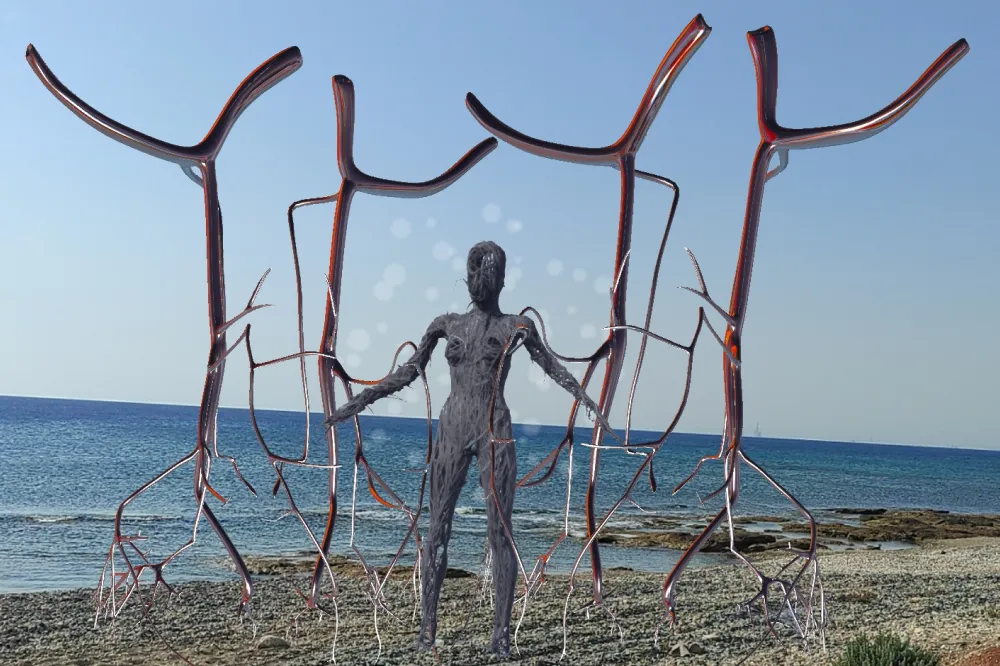
Photo credit: Stacey Pitsilides
Design for the end of life
Working at the intersection of design, technology and end-of-life studies, Dr. Stacey Pitsillides has emerged as a leading voice in the growing Design for Death field. As an Associate Professor in the School of Design at Northumbria University, her practice spans immersive installations, participatory research and critical writing, all grounded in an ethics of care and a commitment to rethinking how we engage with mortality, mourning and legacy.
From collaborative projects in hospices to speculative explorations of digital afterlives, her work invites us to confront death not as a distant inevitability, but as a deeply human experience shaped by ritual, culture and design. In this conversation, she reflects on the evolving role of design in mediating loss, the ethical complexities of digital death and the importance of creating more inclusive, dignified spaces for grief and remembrance.
As a thought leader in the ‘design for dying’ space, what can you tell us about the ways in which design shapes our collective understanding of mortality, mourning and legacy?
Our experiences of death and dying are shaped by an intimate set of moments that seek to make meaning from pain, vulnerability and loss. As humans, ritual making is a core part of what we do in the face of death. Design can help in framing the gaps (wounds) we feel when someone dies, or when we think deeply about our own deaths. Including how loss shapes and re-shapes us in existential times. This may be activated, for example, through encounters with aging, illness, wars or the climate emergency to name a few, which provide a range of unique spaces for communication design to contribute.
Design enables us to creatively explore and reimagine different forms of mortality and legacy, especially as we have increasingly complex beliefs and multiple distributed identities. So our interaction with the material and digital world becomes a malleable space that can support ritual making activities. These activities can be personal, meaningful and sensorial especially as more designers enter the funeral industry with new ideas and products for example services like Resting Reef or Recompose, but we also risk a dilution of ritual practice in the speed, complexity and financial insecurity of our current world. We need time to grieve and to mark death and loss more than ever.
Your work spans publications, programmes and exhibitions. Which projects have you found most rewarding, and what are you focused on now?
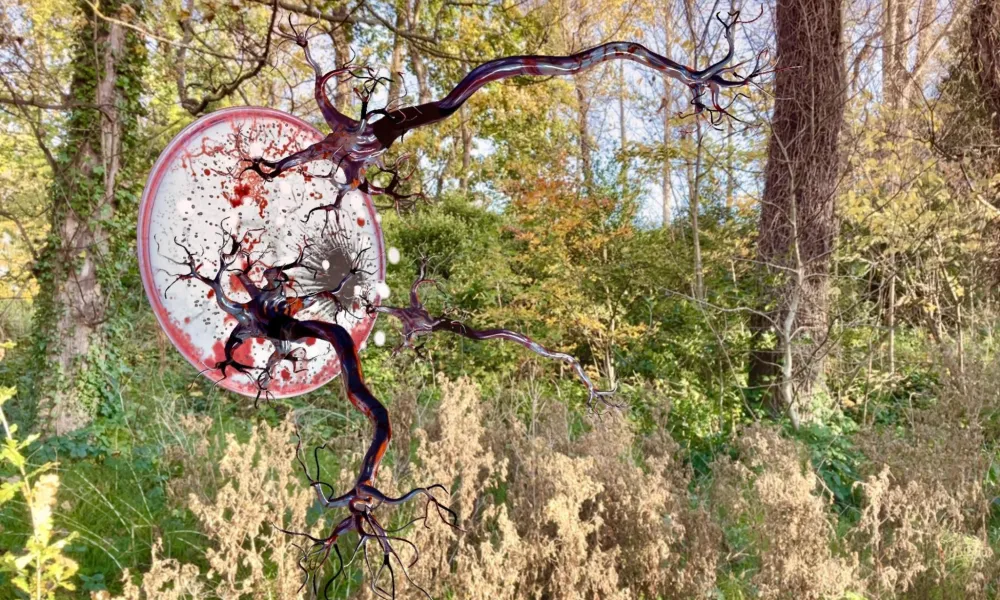
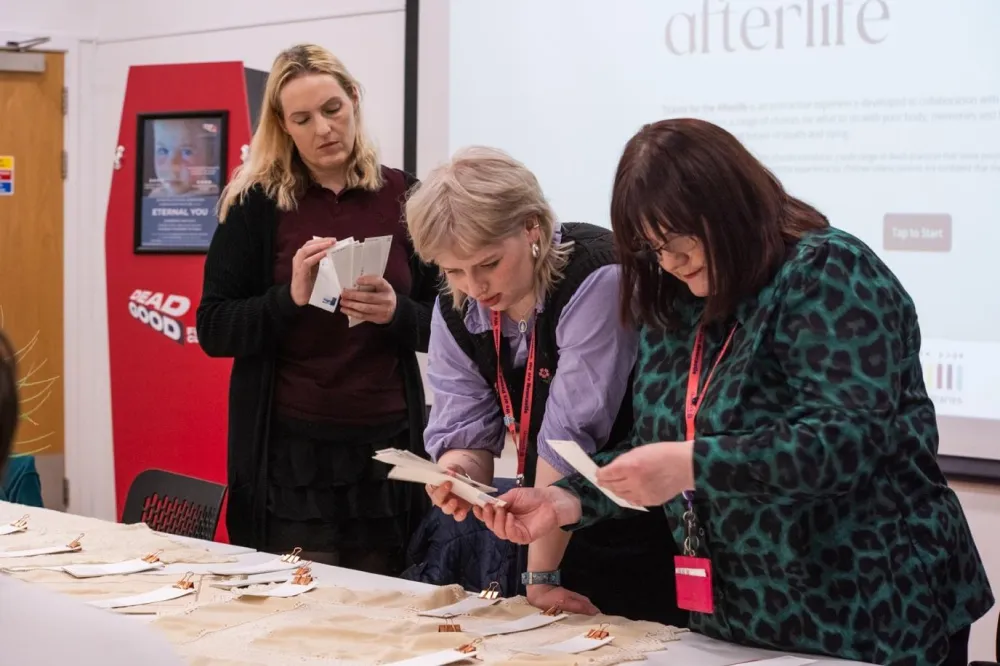
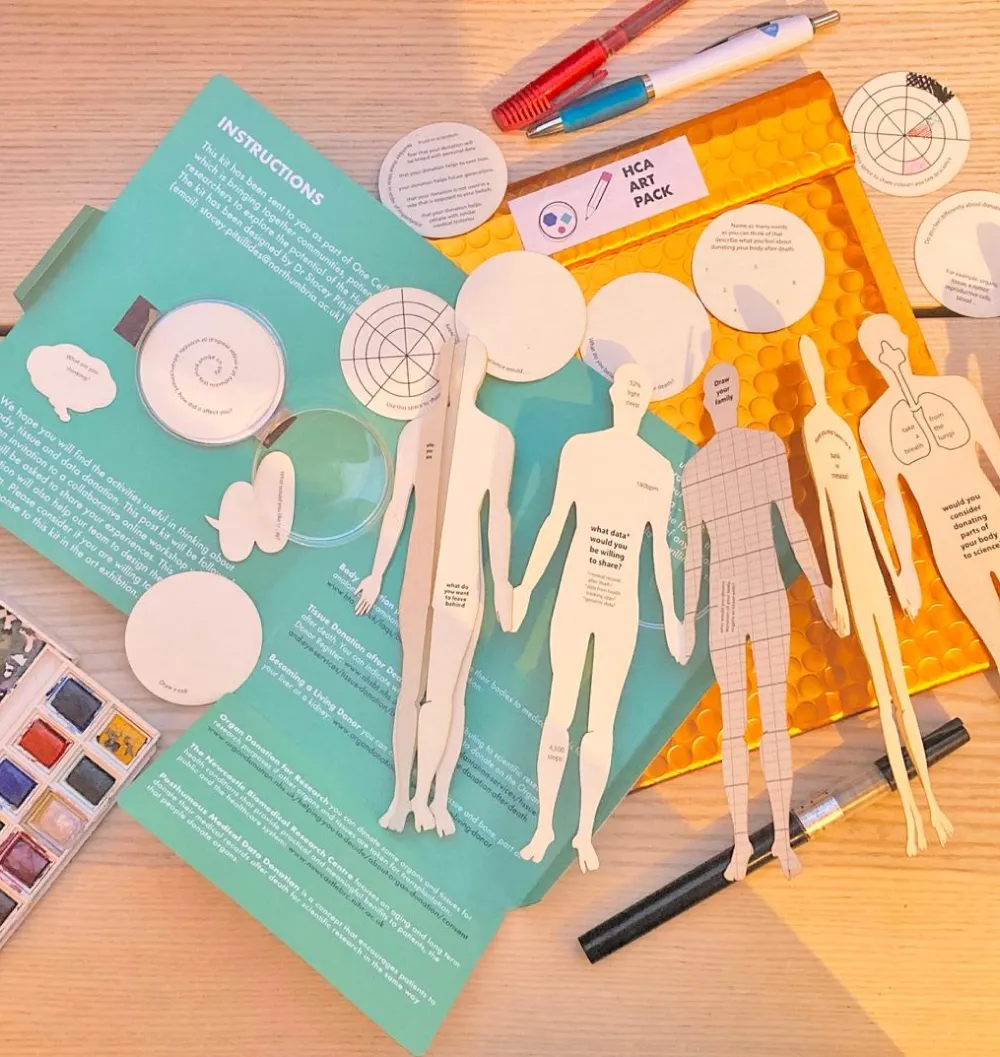
I have been lucky in my time as a design researcher to work in a range of settings that link to death and dying. A couple of research projects which are particularly close to my heart include Donate Yourself (2021), which used XR and participatory design to work with scientists during COVID-19 that blends sonic and 3D visuals with non-linear narrative to spark debates about our organs, tissue and body data after your death as a form of legacy. Another is Love After Death aka the Death Positive Library (2017), an ongoing project with libraries across the UK that seeks to use art, design and interaction to expand on the past, present and future of choice at the end of life, blending performative spaces with speculation and wonder.
We are currently launching this as a series of festivals called Afterlives in May and June 2026 across libraries in England. Supported by Arts Council England, Afterlives is a free, family-friendly arts festival that brings communities together to explore life, death and everything in between through art, creativity and storytelling.
In terms of writing, the project I am most proud of is our recently published edited volume Decolonising Death Studies (2026). It seeks to diversify the voices from the death studies community and to consider alternative ways of relating to death and dying, through creative practice, Indigenous knowledge, or through a queer lens. All these projects are deep collaborations with partners, co-designers, editors, producers – it really does take a village to make ripples in the public consciousness and open up people’s minds to the topic of death.
You have pioneered co-design methods across a variety of settings, including hospices. How can these kinds of participatory design processes restore a sense of dignity to end-of-life experiences?
In my view, Design for Death should not be done without being deeply collaborative. My work simply would not exist without the deep relationships that are at the heart of it. So the labels of participatory, co-design or feminist praxis speak to an ethical grounding that builds from an ethics of care approach.
In this approach, we aim to strategically “stay with the trouble” to quote Harraway’s famous statement. I do this by engaging with and attempting to: diverge from set hierarchies and politics; build trust and respect in situated ways; be open, transparent and inclusive; decentre louder voices and open conversations outwards. I also always bring something to the table, usually skills and resources, sharing these without a predefined agenda.
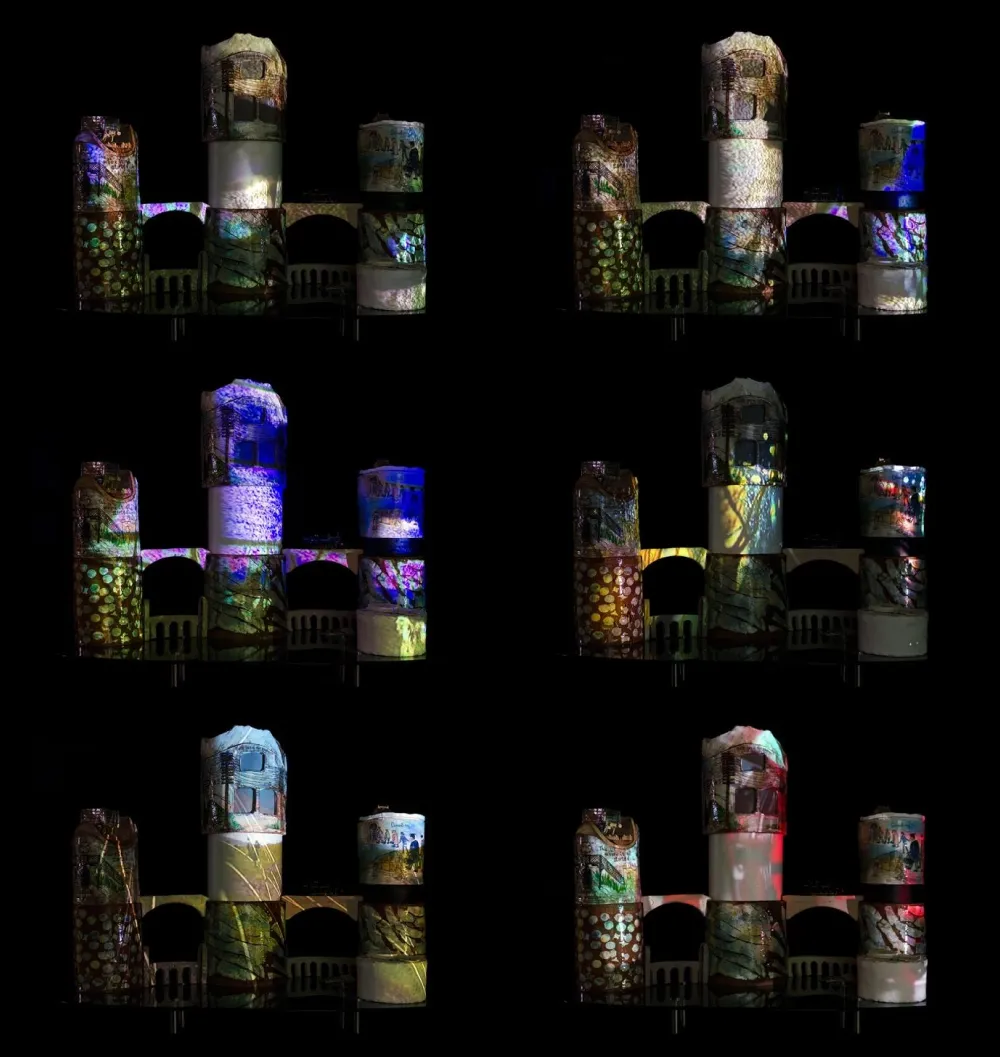
My PhD was where I first tested many of the above principles. From 2012-2017, I worked with the Hospice of St Francis in the homes of three bereaved makers who co-created a set of hybrid installations where members of the public could walk into their landscapes of loss and experience how making them intertwined with their bereavement journeys. I believe this helped to create a sense of dignity, as people labelled as vulnerable are often dismissed, their strength and growth undermined by institutions and society. If anything this collective exhibition was a show of strength in meaning making. A physical and digital display of archives, legacy, fragility, beauty and emergence all rolled into one.
In your research, you discuss how digital things, from social media profiles to AI bots, can grant a new form of agency to the dead. From an ethical design perspective, how can we ensure this newfound agency preserves a person’s dignity rather than just creating a ‘digital ghost’ that they can no longer control?
My research and fascination with digital death started in 2009 when I met a man in Second Life who created a pet cemetery. He made this place as he couldn’t find anyone who was willing to honour and give dignity to the life of his cat who died at the age of 21 and was “like a daughter” to him in Japan. For the few years I would talk about the affordances of digital space and people’s ability to create and envision meaningful spaces for bereavement, legacy and dignity due to the openness and ease of ad–hoc digital making. This included the boom of social media, which did not consider the death of users at all in 2009.
It is not surprising that death was not considered in the design of social media platforms, as tech company founders are often more enthralled with talk of immortality, rejuvenation technologies and longevity than death and dying. And this is instilled in the development and growth of digital death, including its connection to science fiction and first/second wave cybernetics, alongside early chatbots.
However, as research began to show a wide-cross section of people actively using social media platforms to write to the dead, some simple and much-needed tools were introduced but these did not include any human support. The depth of ethics and dignity needed by the bereaved in complex online situations simply doesn’t fit with the ways we design and build technology and this has resulted in a wide range of emotional and lengthy legal challenges.
The ethical complexity of the field has been pushed even further with the creation and patenting of software for personality recreation through deathbots/thanobots (or digital ghosts), which has been discussed in my recent article for AI & Society Postmortem life: thanobots, digital twins and feminist immortality. In this article, we explore how feminist collectivity and taking the human body seriously, may be used politically to break from technologists and entrepreneurial desire to create humanness and self-replication through AI immortality, looking instead to design speculation and how technological selves may evolve and grow post-death in new ways that inspire non-human understandings of agency.
What tensions or challenges do you see emerging as design becomes more embedded in how we engage with death? What are you most looking forward to as research in this space continues to progress?
I think I am most wary about design’s desire to be at the centre of everything, and some designers view of design as a solution to almost any social, technical or cultural problem. Rather than deeply analyzing the possible repercussions and considering (particularly in the case of technology) how this may be applied globally in ways that flatten and alienate people from cultural beliefs. This practice essentially norms culture to a western, mostly male, mostly white and cis lens, this is particularly obvious in the case of AI but proliferates other parts of the creative industries and continues to be one of the biggest challenges.
However, it is also design’s ability to slip and slide into small spaces in systems and create interventions that embed people’s voices and create ripples that may result in real change and hope. This ability of design to elevate and fight for dignity in the face of capitalist powers.
I am excited by the growth of our interdisciplinary community, in the Design for Death space that continues to develop new inclusive spaces, introduce new voices and approach topics typically avoided with enthusiasm, creativity, care and joy. We are a flourishing community with groups like Queer Death Studies and The Collective for Radical Death Studies and The Order of the Good Death at the heart of it.
I continue to be fascinated by human mortality and the ways that design can help by creating a point of navigation to build resilience and growth from vulnerability. When we open ourselves up we find strength, comfort and humanness we didn’t know we had and the world can certainly use more of that in this moment in time.
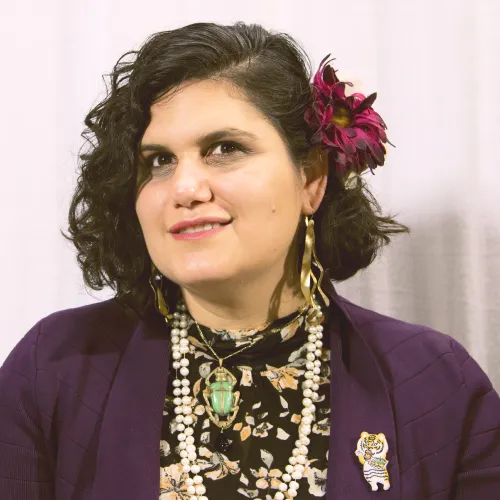
Dr. Stacey Pitsillides is an Associate Professor in the School of Design at Northumbria University and co-lead for the Design Feminisms Research Group. She is a long-term advocate and thought leader for how design can enrich our experience of death and dying. Her research into death, creativity and technology, has been explored through a series of publications and a body of practice, in collaboration and co-production with hospices, hospitals, festivals, libraries, scientific research programmes and galleries. She has been commissioned to lead and produce installations that help the public engage with death and dying and curated public programmes, for example through the Death Positive Libraries, that explore the entanglement of meaning, making and ritual practice at the end of life.


