

Image credit: Design Council
Natsai Audrey Chieza:
Design as a Way of Life
Long before biodesign became a headline or market category, Natsai Audrey Chieza was asking quieter, more fundamental questions: where do materials come from? Who decides how they are made? And what kinds of futures do those decisions lock into place?
Trained in architecture and material futures at a moment when advances in biotechnology were beginning to reshape scientific research, the Founder and CEO of Faber Futures and Design for Planet Trailblazer, has always found herself drawn more to process than form. “Early research roles embedded within scientific laboratories and academic institutions introduced me to biology not as an abstract technology, but as a living system with direct implications for how we produce, inhabit and care for the world.”
“What continues to motivate me is the role design can play in shaping how emerging technologies are understood, adopted and governed.”
Working alongside microbiologists and engineers in the early years of her career, she began to see microbes not as resources to be extracted, but as collaborators capable of producing materials in fundamentally different ways. That insight became the foundation of her practice.
Trained in architecture and material futures, Chieza spent her early career years working alongside microbiologists and engineers.
Photo credit: Natsai Audrey Chieza
What distinguishes Chieza’s work is not novelty, but responsibility. “Biotechnology holds enormous potential, but only if it is embedded with care, context and imagination. My work is driven by translating complex biological processes into systems, products, and narratives that people can meaningfully engage with, building not just new materials, but the conditions for more resilient and equitable futures.”
At a time when the connections between biodesign, climate, land use and industry were still poorly understood, Chieza invested years in research, experimentation and public-facing work, often articulating why the work mattered before an ecosystem existed to support it.
In 2018, the Zimbabwe-born visionary founded Faber Futures to give that long view a home: a biodesign lab that fuses design thinking with living biological systems to generate scalable models for sustainable futures. Operating at the intersection of science, industry, policy and culture, the studio’s clients and commissioning bodies have included Ginkgo Bioworks, adidas, the Design Museum, MIT Media Lab and the World Economic Forum (WEF).
“Designers must understand systems, not just artefacts, and take responsibility for how ideas travel once they leave the studio.”
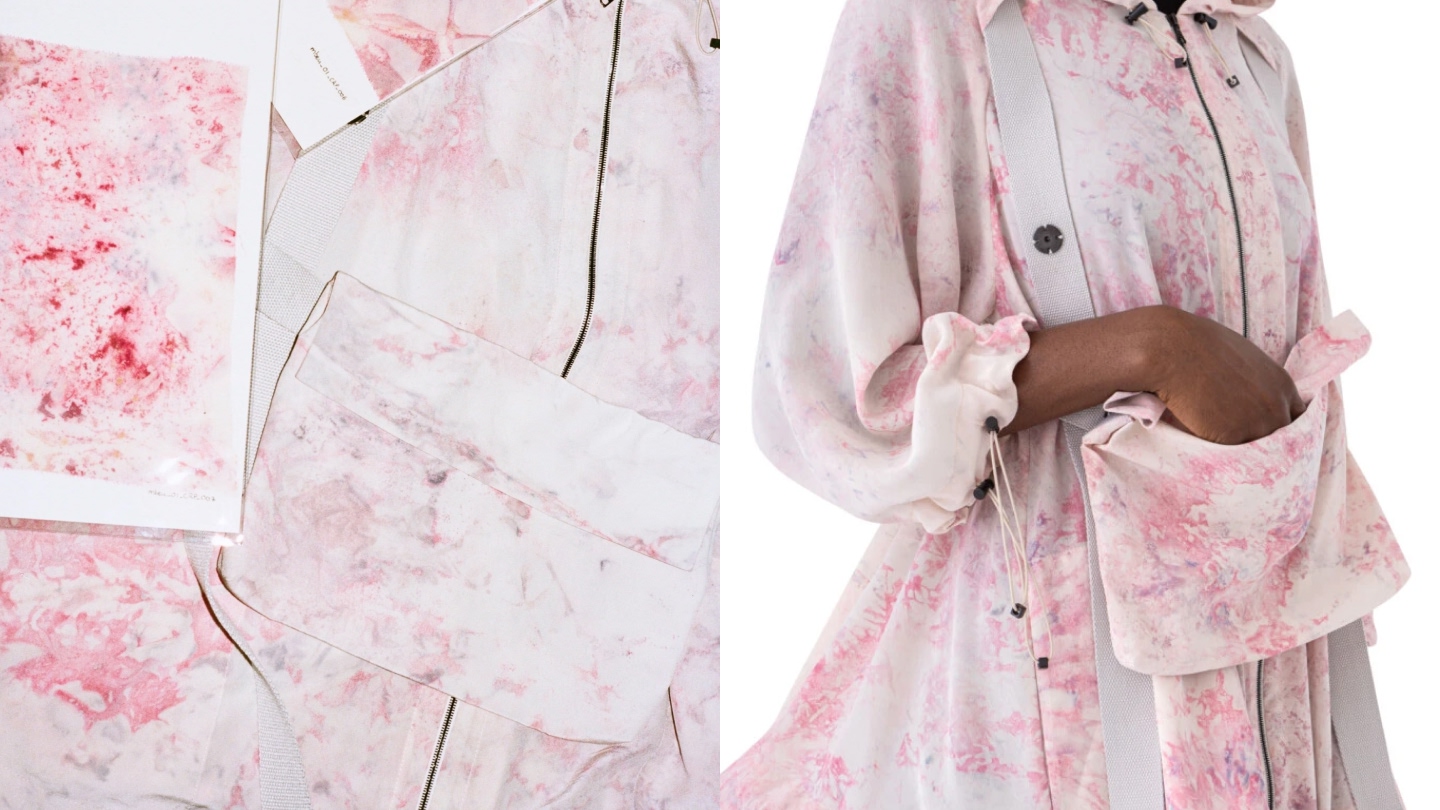
Faber Futures’ commitment to translating research into real-world impact is perhaps most clearly expressed through Normal Phenomena of Life (NPoL), the “first biodesign lifestyle brand.” Each NPOL Original, from the Exploring Jacket to the Gathering Lamp, “addresses a persistent gap in the field: how biodesign moves beyond prototypes and exhibitions into manufacturing, supply chains, and consumer relationships. In doing so, it offers a practical blueprint for embedding biotechnology into daily life with transparency and long-term intent.”
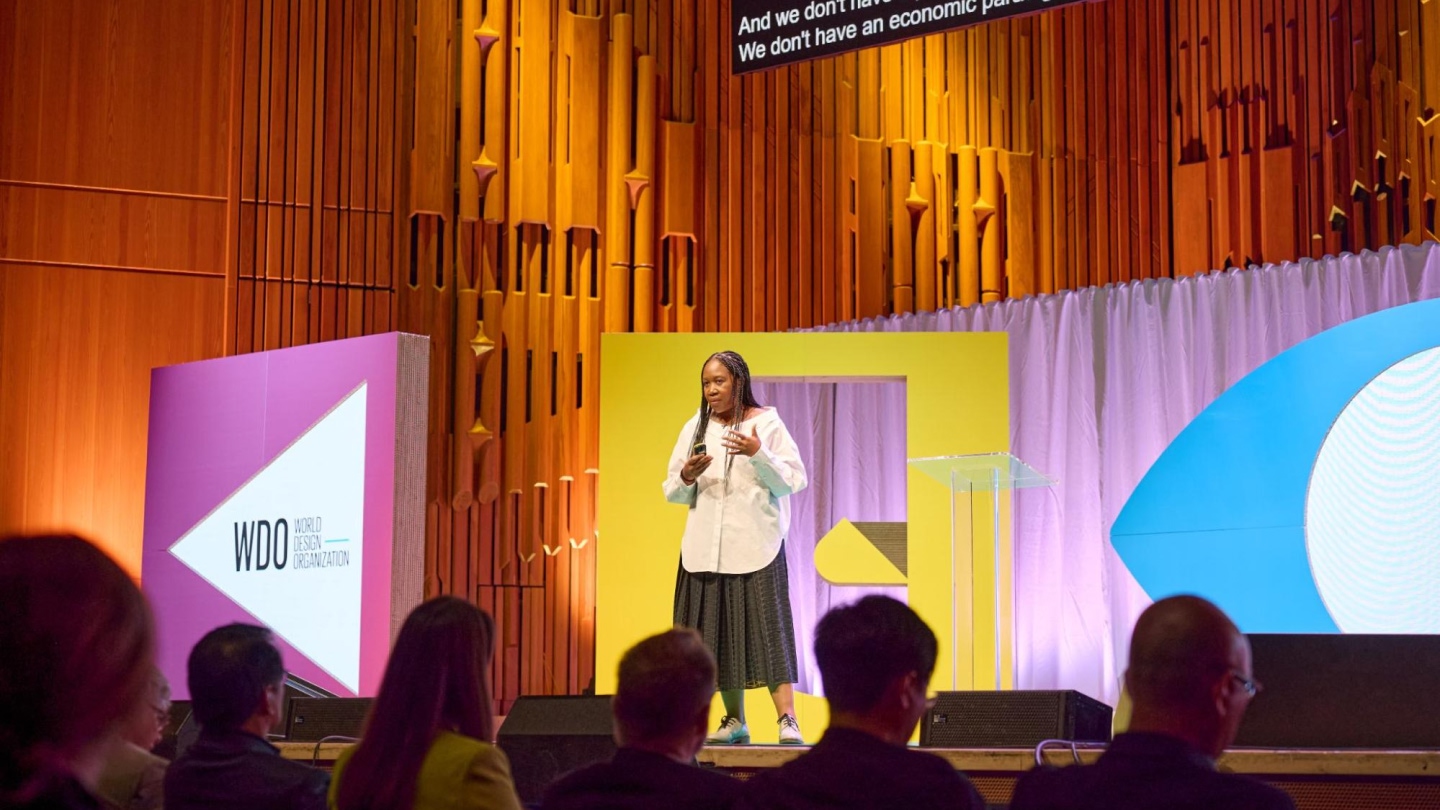
Chieza highlighted some of these projects during her keynote address at the World Design Congress 2025 in London (UK). For her, the Congress reinforced what she has seen repeatedly in her own work: “that lasting change depends less on isolated innovation and more on the institutions, collaborations, and decision-making structures that allow new practices to take root.”
“Design is increasingly being asked to operate at a systems level, yet it remains undervalued in the spaces where agendas are set and power is exercised.”
Looking ahead, this perspective continues to shape Chieza’s work. Asked to define 2026 in a single word, she chooses consolidation, a turning inward after years of building at the edges of emerging fields. “My focus is on building conditions rather than objects: frameworks that enable designers, scientists, institutions and communities to work together with responsibility and foresight.”
Meaningful change, after all, rarely ever comes from isolated brilliance.
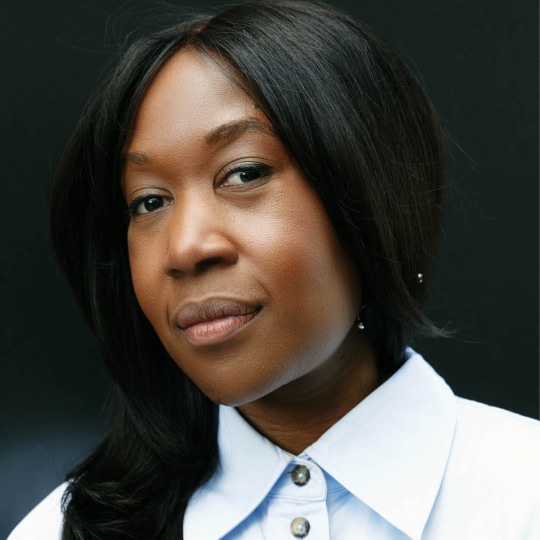
Natsai Audrey Chieza is a visionary designer and thought leader at the forefront of biodesign. She is the founder and CEO of Faber Futures and co-founder of Normal Phenomena of Life (NPOL), a consumer brand demonstrating how biotechnology can produce sustainable, beautifully designed materials that support climate goals and resilient bioeconomy value chains. Chieza’s work is recognized globally for its innovation and impact: she received the 2024 London Design Innovation Medal, the 2019 INDEX Award, and was nominated for the Dezeen Awards Bentley Lighthouse Award. A sought-after speaker at SxSW, TED, and Design Indaba, she also serves on Fondation USM’s Future Lab advisory panel and the WEF Global Futures Council on Synthetic Biology, advocating for design-led approaches in policy, technology, and culture.


