
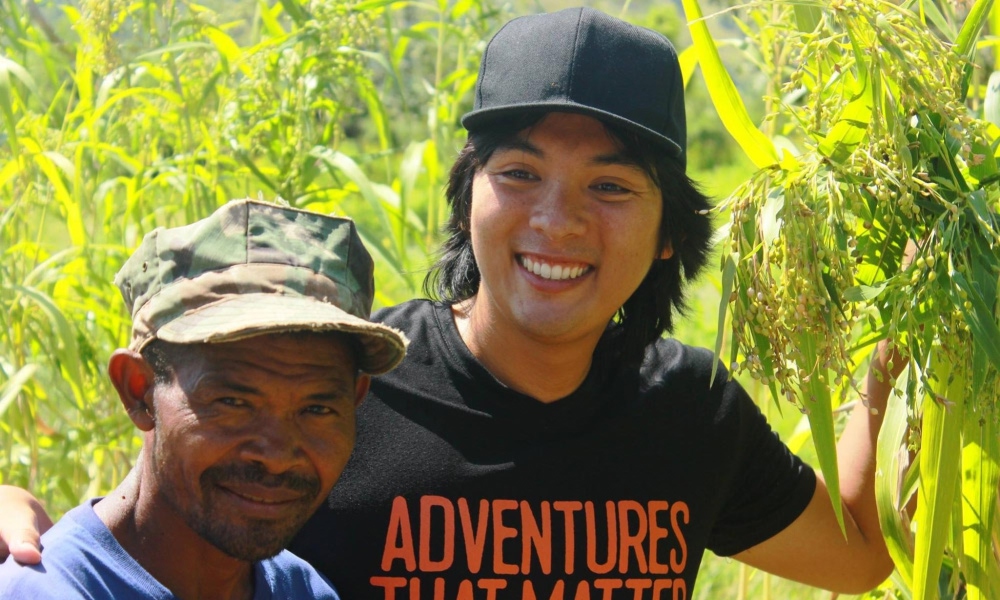
Photo credit: Rafael Dionisio
2026 Design Luminaries
Rafael Dionisio:
Design as a Living System
Growing up in the Philippines, Rafael Dionisio has always been enamored by the beauty of his country. Lush rainforests, powdery white-sand beaches, turquoise lagoons and ancient rice terraces. It’s not a version of the Philippines he saw often, having spent much of his early years in Metro Manila, but it was enough to prompt a “serendipitous” journey that started with tourism but evolved into a deeper reckoning of a country shaped by the lives, labour and land that sustain it.
With a background in business, Dionisio is an entrepreneur at heart. After the launch of his first tourism venture fell short, he spent the early 2010s volunteering with grassroots organizations and connecting with local farmers. It was during that period that he began to understand the structural disconnect between the Philippines’ urban centres and countryside, and the consequences of that divide.
“We have enough land to feed over 200 million people (twice our population), but because of our lack of connection and investment in the land, we are barely feeding ourselves as a nation.”
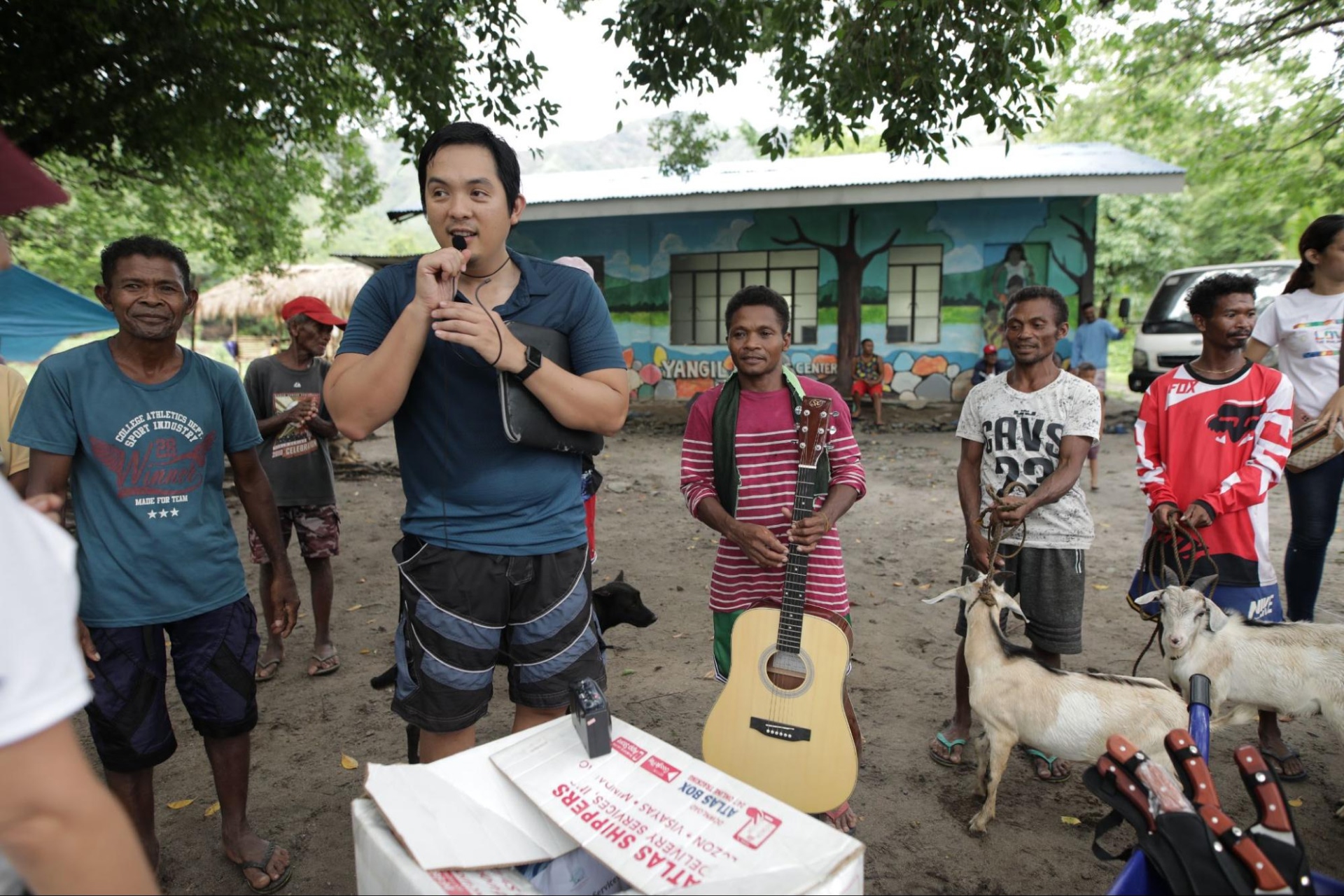
Dionisio decided to dig in and support his community in the best way he knew how: tourism. “I started to see how tourism could help incubate farmers, regenerating the soil, revitalizing businesses and enhancing culture, all while building an inclusive local economy.” In 2014, the four-time TEDx speaker co-founded MAD Travel, a social enterprise that applies design thinking to regenerative tourism, community development and environmental restoration.
“MAD was born out of a desire to help farmers, end poverty and show people the beauty of this country – both in what they see with their eyes and in the things they feel in their heart.”
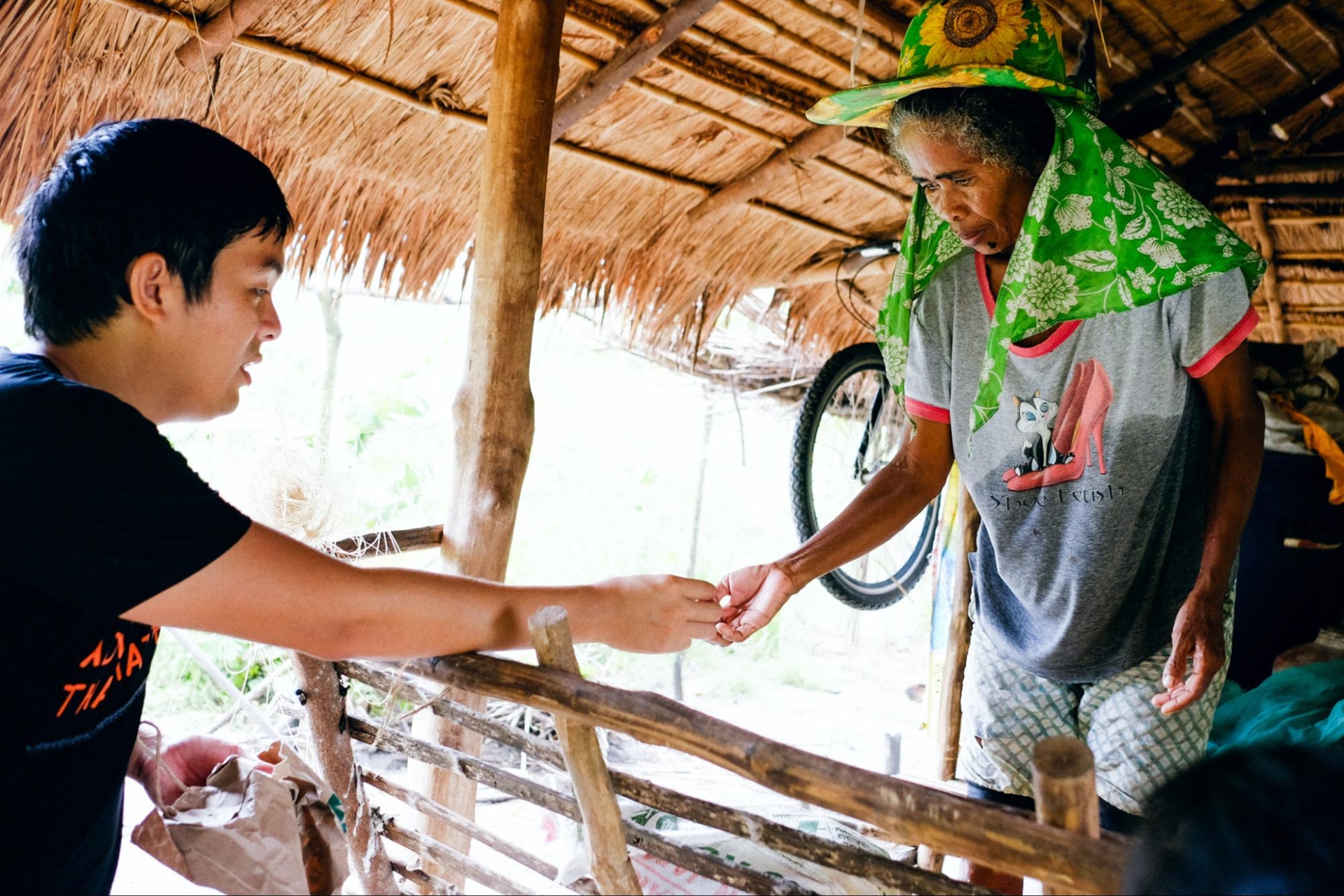
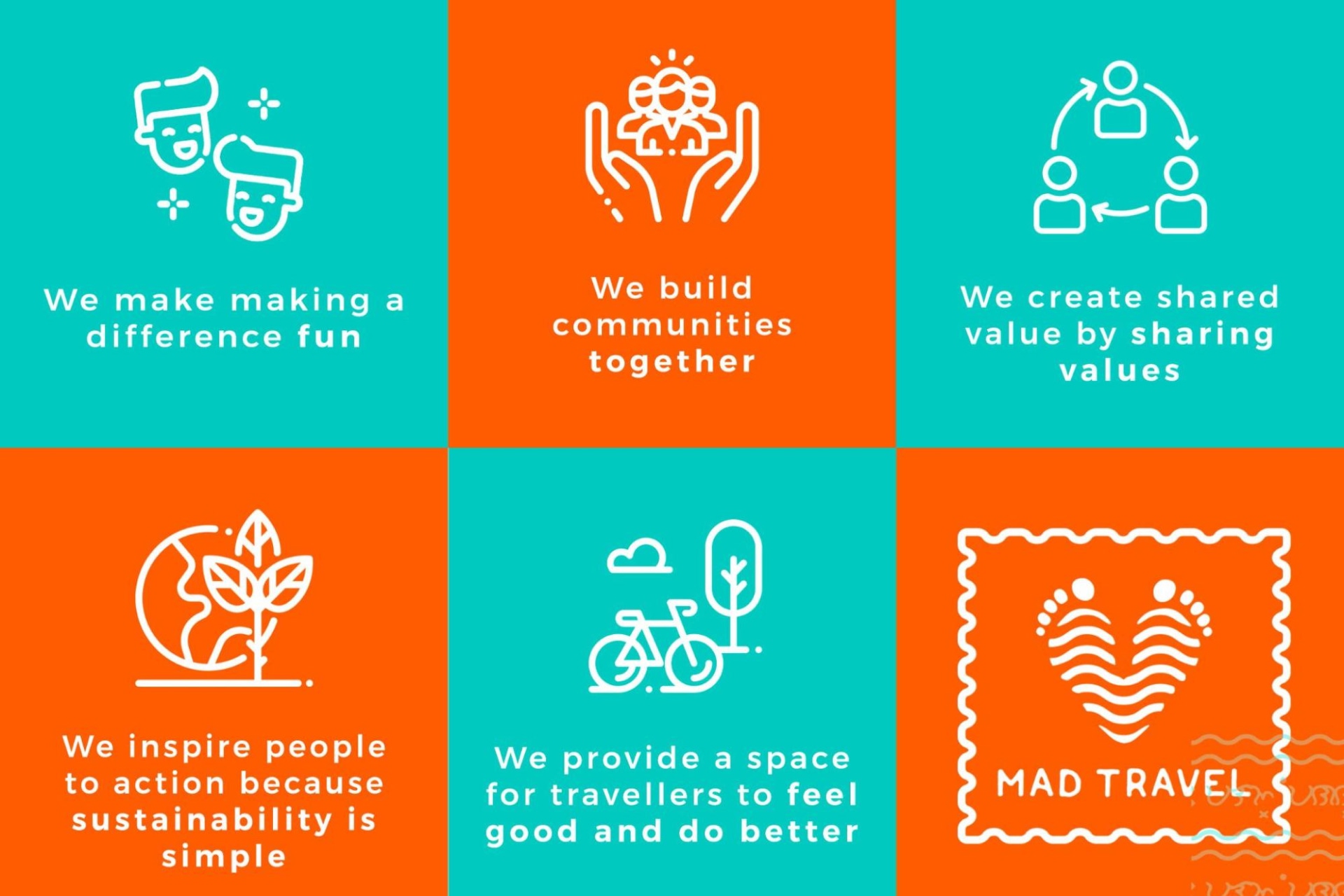
MAD Travel’s model integrates regenerative tourism with permaculture, agroforestry, soil science and indigenous knowledge, ensuring that economic value flows back into communities and landscapes. The company offers engaging travel programmes, immersive experiences and adventures, all designed to bring sustainable tourism to the community level while supporting restoration initiatives with local partners.
And the results are tangible. In 2018, MAD Travel was recognized with a Good Design Award for social tourism. Dionisio has received the World Wildlife Fund’s Force of Nature Award and the Circular Economy Award from the Asia-Pacific Economic Cooperation. He is also a Young Business leader with the Asia New Zealand Foundation and the US Embassy.
By 2025, MAD Travel and its partner communities had planted over 129,000 trees, from cashew to citrus and fuelwood, supporting the stabilization of local temperatures, improved water access and sustainable income streams. What might appear as environmental activism is, at its core, systems design made possible by relationships. “All this was grounded on our friendship, and partnership with the communities.”
MAD Travel’s model integrates regenerative tourism with permaculture, agroforestry and indigenous knowledge, ensuring that economic value flows back into communities.
Photo credit: Rafael Dionisio
Community is inseparable from Dionisio’s design philosophy. Filipino concepts like bayanihan (collective action for the common good) are operational principles for MAD Travel. “We want communities to stand on their own feet and provide products and services that are in harmony with nature. To get there, we need to reconnect with our indigenous roots and blend that with contemporary science and design.”
Dionisio is also candid about the broader social responsibilities designers carry in the Philippines, particularly in a context marked by inequality and environmental vulnerability. He sees disconnection, between leaders and people, urban and rural, nature and economy, as a design failure with profound consequences.
“If you are connected, you care. You know who lives at the end of the river, or in the valley or at the top of the mountain and are more careful about clearing the forest, or abandoning flood control projects because the people in these last frontiers are your friends and your family.”
Mirroring the approach that defines Dionisio’s work, WDO’s two-week Interdesign workshop on the Philippines’ Siargao Island will bring designers from across the globe into direct engagement with these ideas of place, people and systems. Hosted in collaboration with Design Center of the Philippines and De La Salle-College of Saint Benilde from 13-25 July 2026, Siargao Island will offer a powerful living laboratory for exploring regenerative design, community resilience and sustainable tourism within the Philippine context.
For Dionisio, the future is “multi-system”. The goal is to create a web of interlinked practices spanning tourism, agriculture, education, art and environmental restoration. Ultimately, the impact he seeks is both practical and poetic: a world where people can “do the math of sustainability,” and where design helps translate that logic into something felt, shared and acted upon.
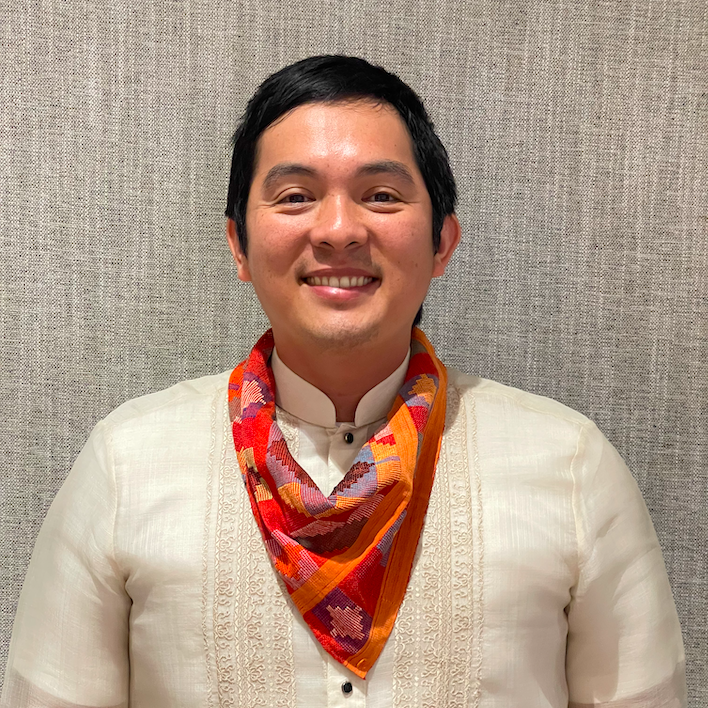
Rafael Dionisio is a social entrepreneur and the co-founder of MAD Travel, known for pioneering sustainable tourism, community empowerment and environmental restoration, particularly with local indigenous communities, transforming degraded landscapes through ecotourism and regenerative practices. He’s a TEDx speaker, Climate Ambassador and recognized for integrating livelihood with conservation, creating immersive travel experiences that support local cultures and ecosystems in the Philippines. You can follow his work on social media @rafdionisio.


