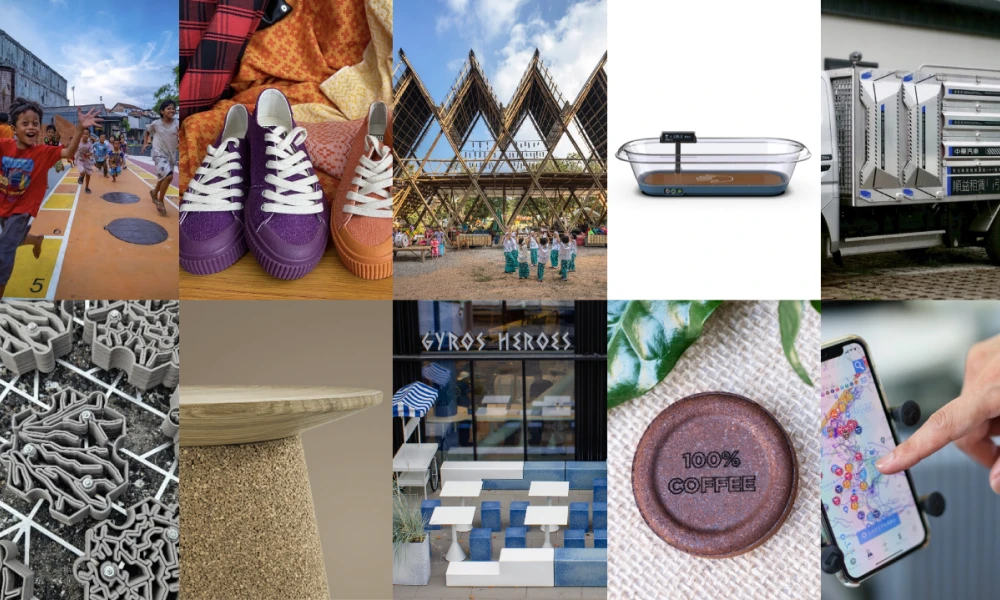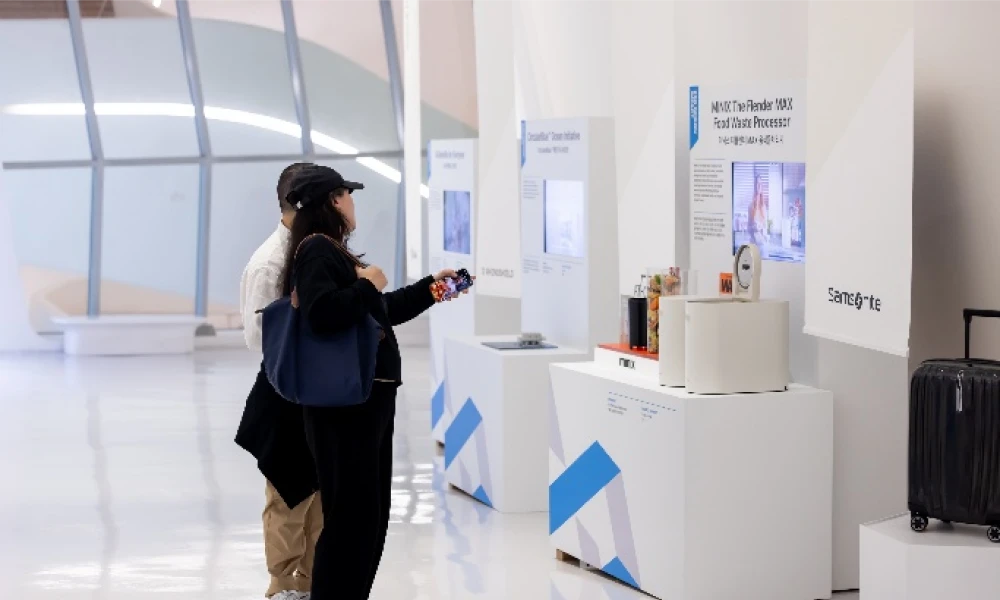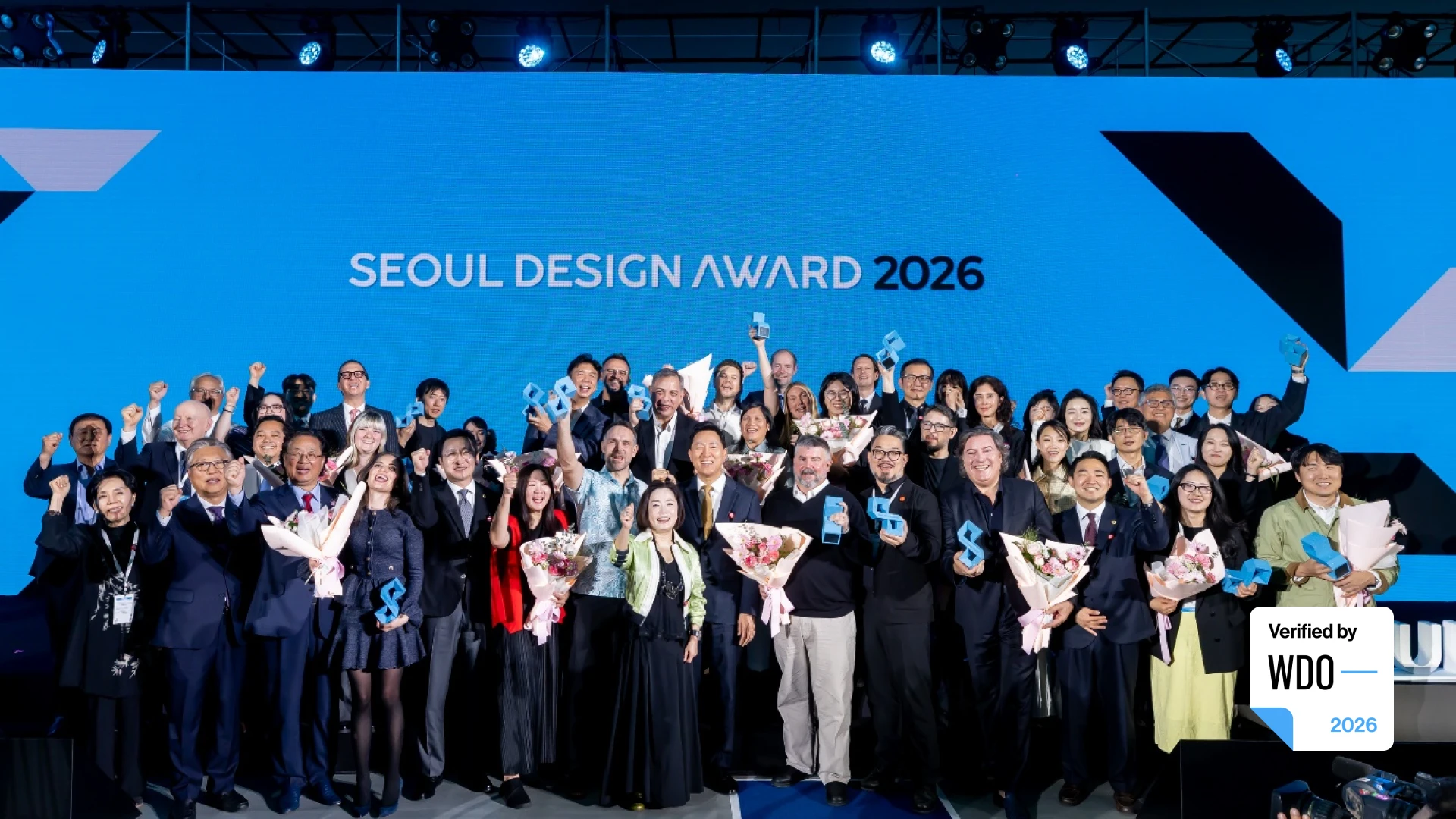
The Seoul Design Award is an international design award that helps discover and share the value of design for sustainable everyday living, seeking a harmonious relationship among people, society and the environment. Now in its seventh iteration, the 2026 award received a record 1,204 project submissions from 91 countries. This year, the Grand Prize was determined through a combination of in-person presentations by TOP 10 designers, jury evaluations and public voting. The newly established ESG Design Impact Award also brought attention to corporate initiatives that put sustainability into practice.
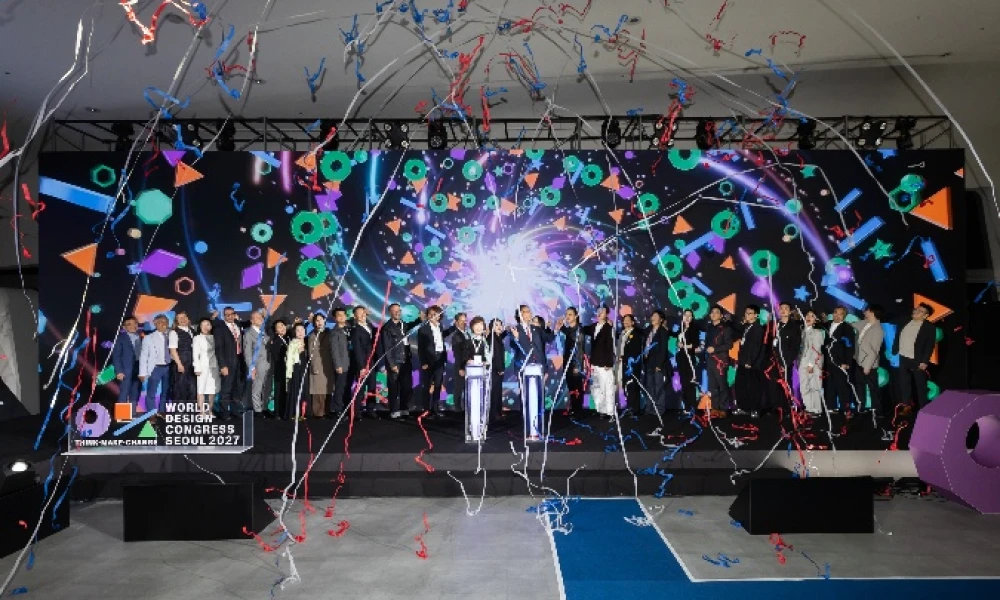
This year, the Seoul Design Award 2026 also formed the centerpiece of a single conference that brought together the United Nations Environment Programme (UNEP) Circular Design Programme and the World Design Congress Seoul 2027 Preview. The event expanded beyond sharing the achievements of award-winning projects to examine the roles of industry and policy in resource circularity and the future of design in the age of AI.
Seoul Design Conference 2026: Think. Make. Change
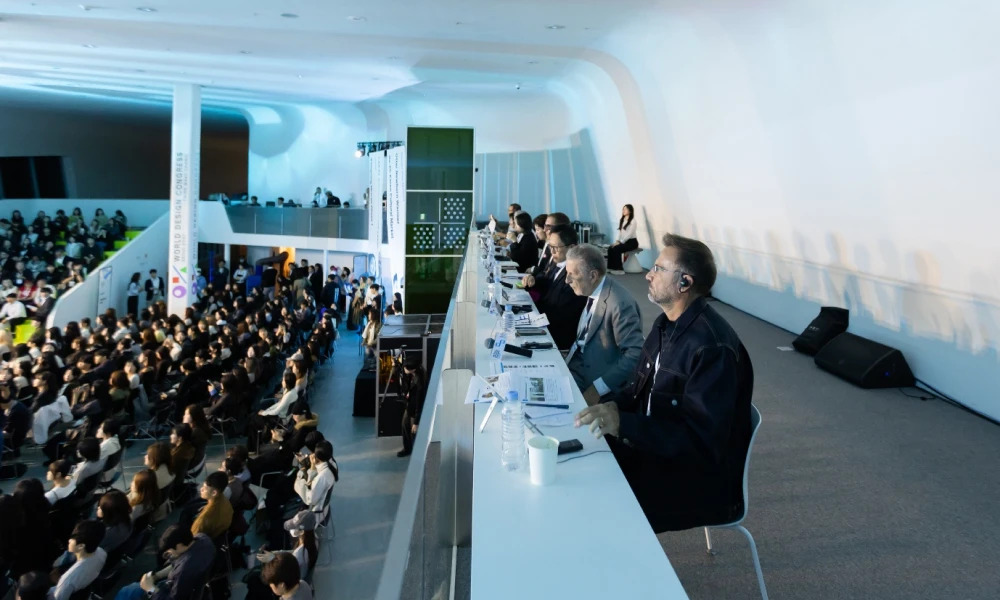
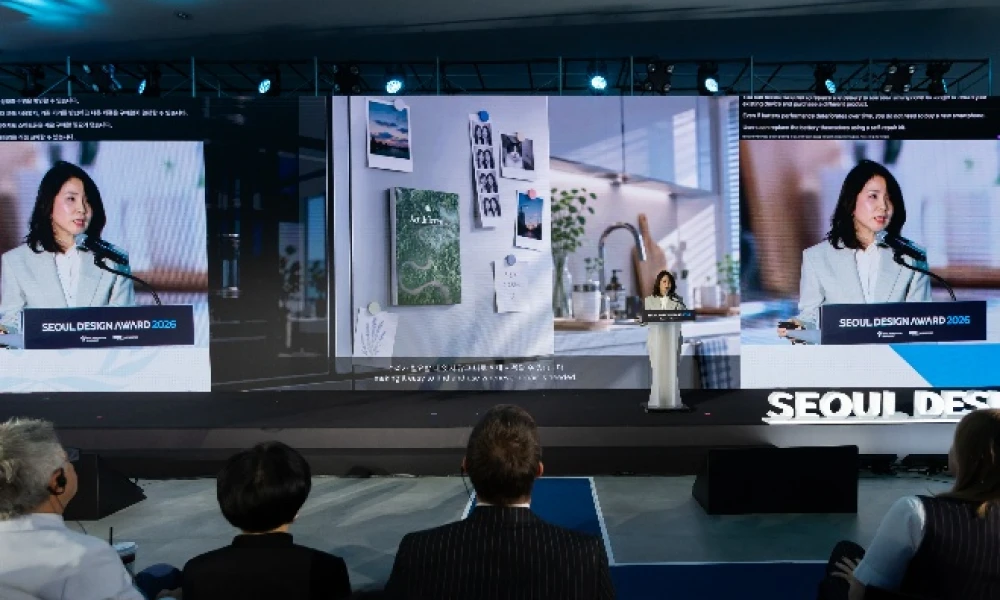
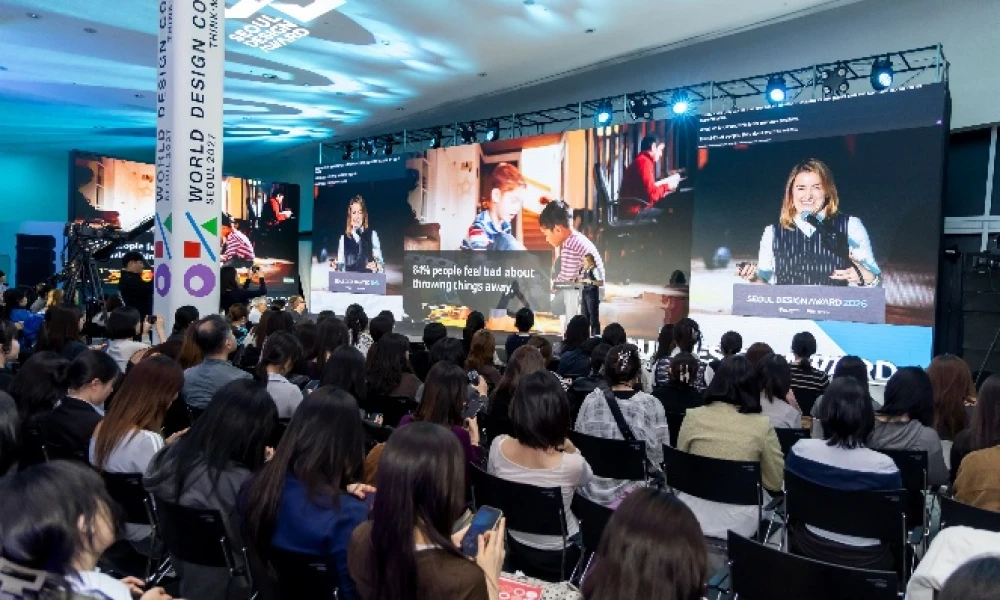
The Seoul Design Conference 2026 took place on 14 October 2026, at the Design Hall on the third floor of the Design Lab at Dongdaemun Design Plaza (DDP). Under the theme ‘Think.Make.Change’, designers, design leaders, and corporate representatives from around the world gathered to discuss the changes design can bring to people, society and the environment.
The conference comprised three sessions: Seoul Design Award 2026, the United Nations Environment Programme (UNEP) Circular Design Programme, and the World Design Congress Seoul 2027 Preview. A morning programme exploring outstanding examples of sustainable design was followed by afternoon discussions on practical approaches to resource circularity and the new roles of design in the age of AI.
Seoul Design Award 2026: This Year’s Designs, Chosen with the Public
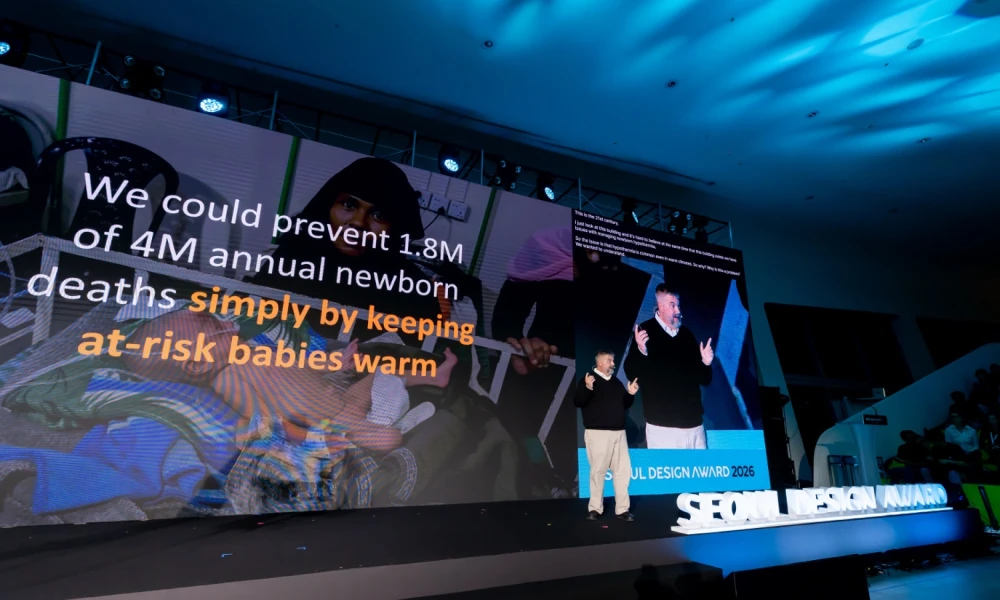
The first session opened at 9 AM with the Seoul Design Award 2026 TOP 10 Live Grand Prize Competition. The 10 finalist teams took the stage to present how their projects were developed, the solutions they offered, and their real-world results. Spanning marine ecosystem restoration, urban regeneration, medical products, resource circularity, and improved accessibility, the projects demonstrated how design contributes to solving social problems across diverse fields.