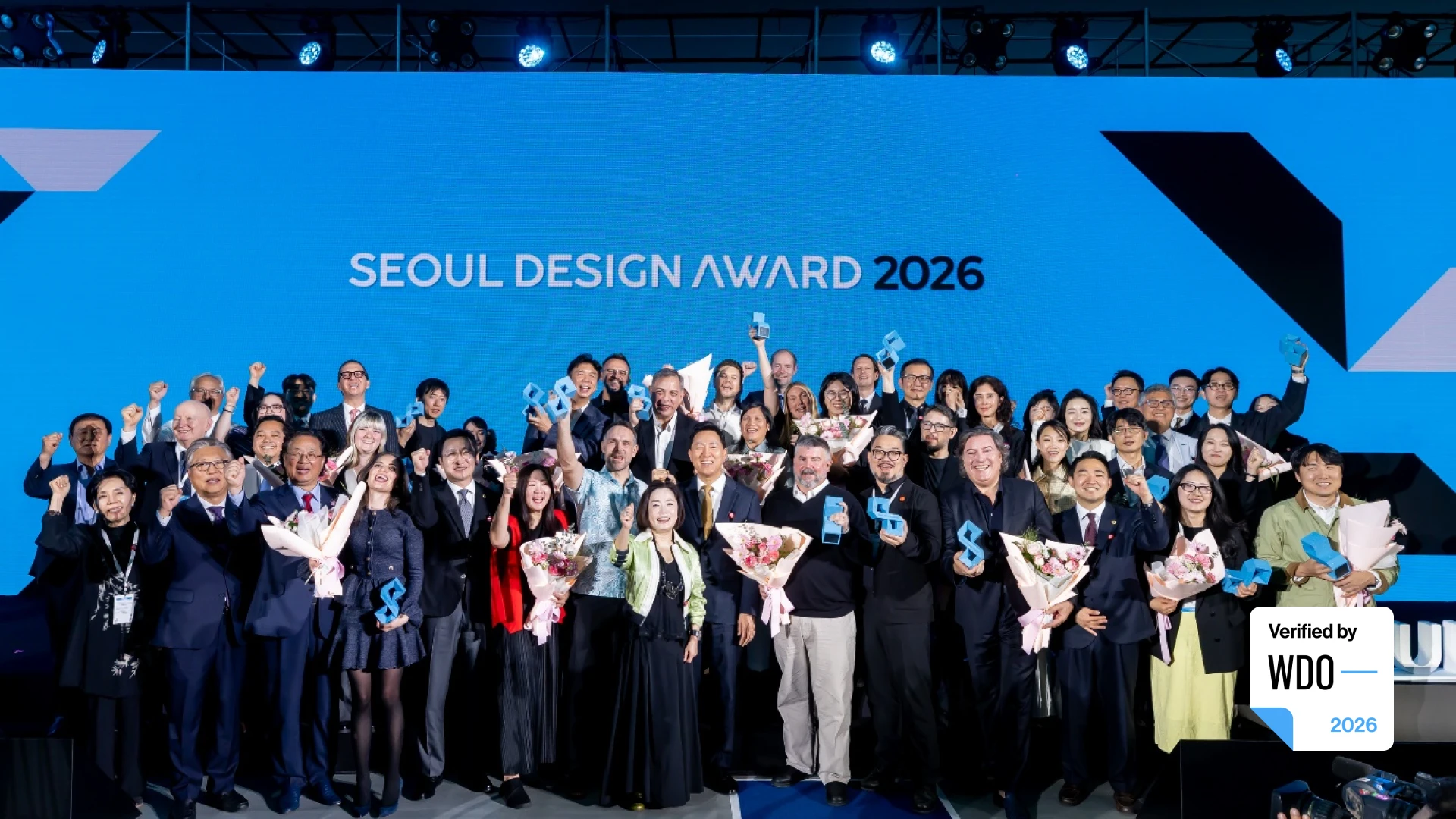
The Seoul Design Award is an international design award that helps discover and share the value of design for sustainable everyday living, seeking a harmonious relationship among people, society and the environment. Now in its seventh iteration, the 2026 award received a record 1,204 project submissions from 91 countries. This year, the Grand Prize was determined through a combination of in-person presentations by TOP 10 designers, jury evaluations and public voting. The newly established ESG Design Impact Award also brought attention to corporate initiatives that put sustainability into practice.

This year, the Seoul Design Award 2026 also formed the centerpiece of a single conference that brought together the United Nations Environment Programme (UNEP) Circular Design Programme and the World Design Congress Seoul 2027 Preview. The event expanded beyond sharing the achievements of award-winning projects to examine the roles of industry and policy in resource circularity and the future of design in the age of AI.


Seoul Design Conference 2026: Think. Make. Change
The Seoul Design Conference 2026 took place on 14 October 2026, at the Design Hall on the third floor of the Design Lab at Dongdaemun Design Plaza (DDP). Under the theme ‘Think.Make.Change’, designers, design leaders, and corporate representatives from around the world gathered to discuss the changes design can bring to people, society and the environment.

The conference comprised three sessions: Seoul Design Award 2026, the United Nations Environment Programme (UNEP) Circular Design Programme, and the World Design Congress Seoul 2027 Preview. A morning programme exploring outstanding examples of sustainable design was followed by afternoon discussions on practical approaches to resource circularity and the new roles of design in the age of AI.


Seoul Design Award 2026: This Year’s Designs, Chosen with the Public
The first session opened at 9 AM with the Seoul Design Award 2026 TOP 10 Live Grand Prize Competition. The 10 finalist teams took the stage to present how their projects were developed, the solutions they offered, and their real-world results. Spanning marine ecosystem restoration, urban regeneration, medical products, resource circularity, and improved accessibility, the projects demonstrated how design contributes to solving social problems across diverse fields.
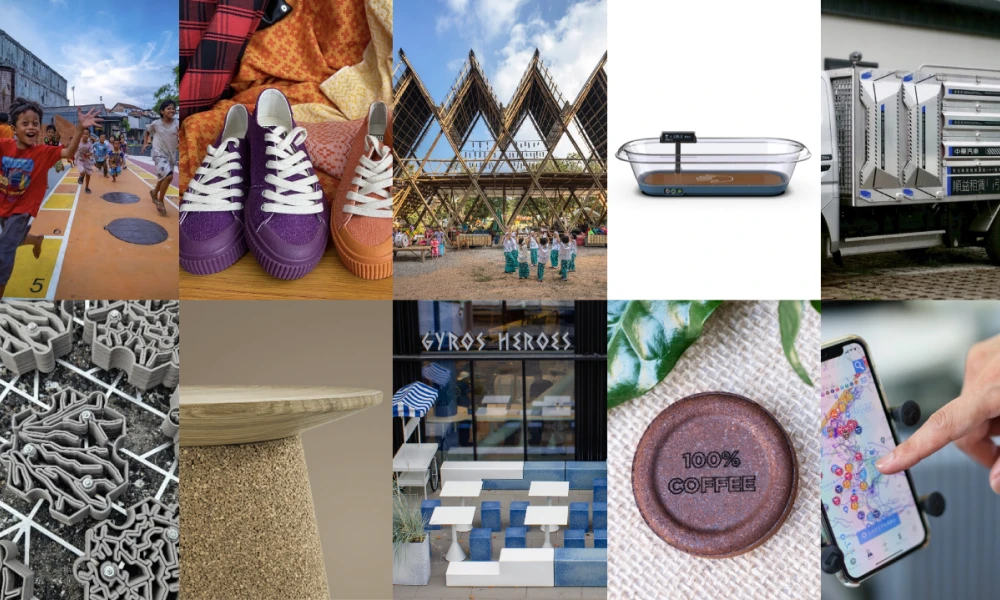
Seoul Design Award 2026 TOP 10. Photo credit: Seoul Design Foundation

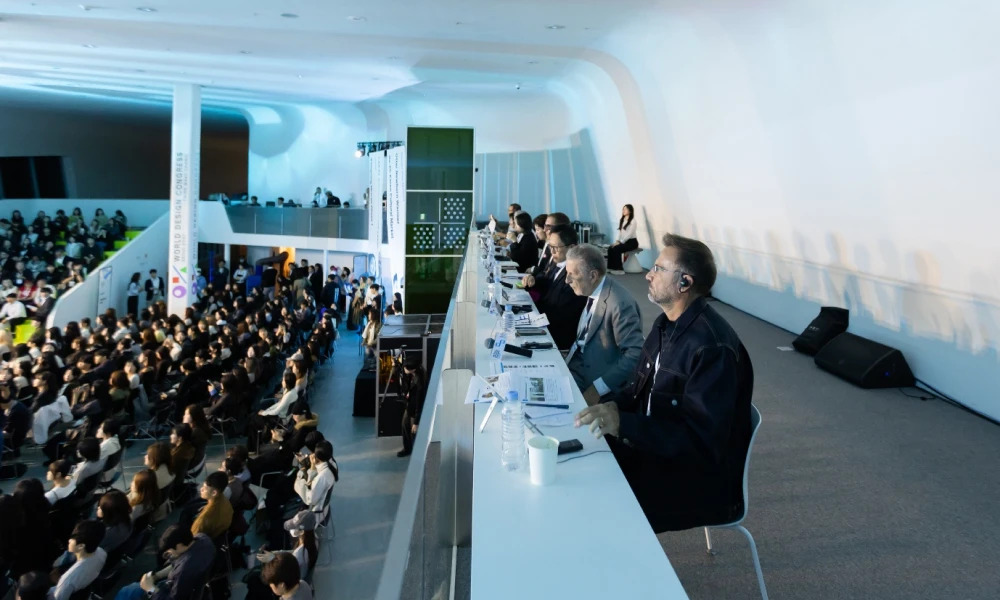
Nine final-round jurors attended: Mauro Porcini, Chief Design Officer (CDO) of Samsung Electronics; Andrea Cancellato, Director of the ADI Design Museum; Sungwon Jee, Executive Vice President of Hyundai Motor Company; Martin Zelger, CEO of DAAily platforms AG; Mi-ryeong Woo, CEO of Lush Korea; Ehwa Yoo, CEO of ITM Yoo Ehwa Architects; Sertaç Ersayın, President of the Creative Industries Council Association and the Industrial Designers Society of Türkiye; EunSook Kwon, Professor in the School of Industrial Design at Georgia Institute of Technology; and Han ning (Jimmy) Chang, President of UID CREATE LTD. Drawing on the presentations, the jurors assessed each project’s feasibility, social value, and potential to scale, and offered their evaluations.

This year’s Grand Prize was determined by combining jury evaluations with public votes cast online in advance and on-site. Youth participation was expanded through the newly launched Young Creator Crew, a group of approximately 300 official supporters. Around 10,000 public votes, including advance online votes, were factored into the selection of the Grand Prize winner.

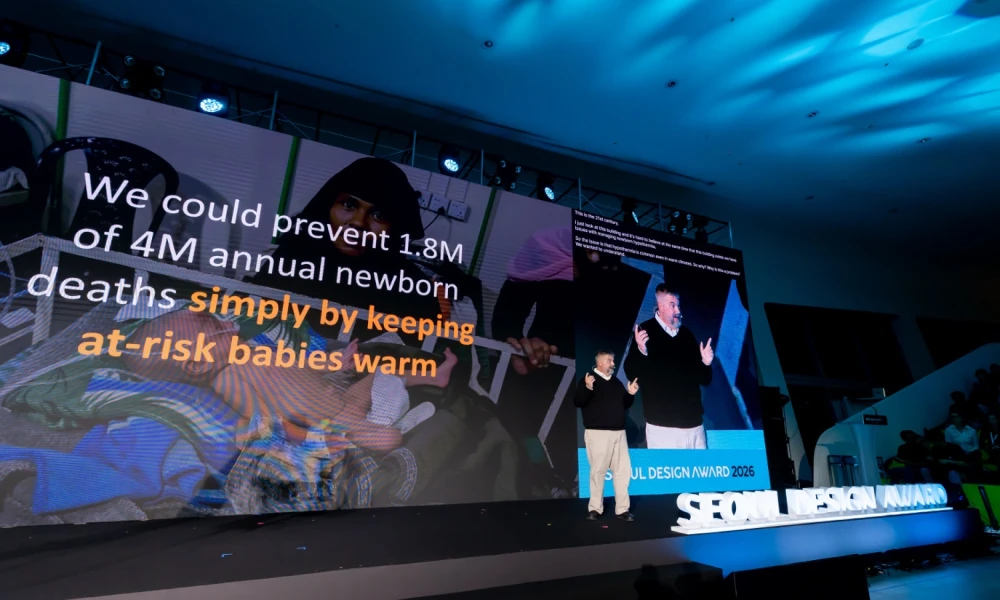
Seoul Design Award 2026 Grand Prize winner, Otter Newborn Warmer. Photo credit: Seoul Design Foundation

In his opening remarks, Seoul Mayor Oh Se-hoon said, “through design, we will realize Seoul’s vision as a city with an outstanding quality of life, where residents’ lives continue to improve, and make Seoul a city that leads global design trends.” He outlined the achievements of the Design Seoul initiative over the past 20 years and the future direction of design in the city. A total of 19 teams and companies took the stage to receive awards: the Top 10 main award recipients, two Young Designer Award teams, and seven companies receiving the ESG Design Impact Award.

This year’s Grand Prize went to the Otter Newborn Warmer, developed by the U.S. nonprofit design organization Design that Matters. This portable warmer was designed to safely maintain newborns’ body temperature in settings such as Zambia, where electricity and medical resources are limited. It features a washable, one-piece bassinet, intuitive controls, and a built-in battery that provides up to eight hours of operation during a power outage. Designed to reduce the risks of neonatal hypothermia and infection, the product is designed for the actual conditions in which it is used in clinical settings.

Seoul Design Award 2026 jury members. Photo credit: Seoul Design Foundation

Juror Mauro Porcini (CDO of Samsung Electronics), praised the project for embodying care and empathy through design, sharing “I believe that every act of design should be an act of love and an expression of care. This project fully embodies that design philosophy. You can see that care in the product’s simple structure, its intuitive operation, and its accessibility, which allows anyone to use it seamlessly and comfortably. Its authenticity is also evident in the way it lowers financial barriers, bringing potentially lifesaving technology to the people who need it most.”

In addition to the Grand Prize winner, the main awards recognized a diverse range of projects, including ReefTiles by ReefCircular, which improve habitats for marine life; Process-Controlled Waste Sorting Rear Module | ET35, which improves waste collection processes and working conditions; Suber Design, which transforms discarded cork stoppers into new materials and furniture; and WheeLog!, which allows wheelchair users to share their mobility experiences.

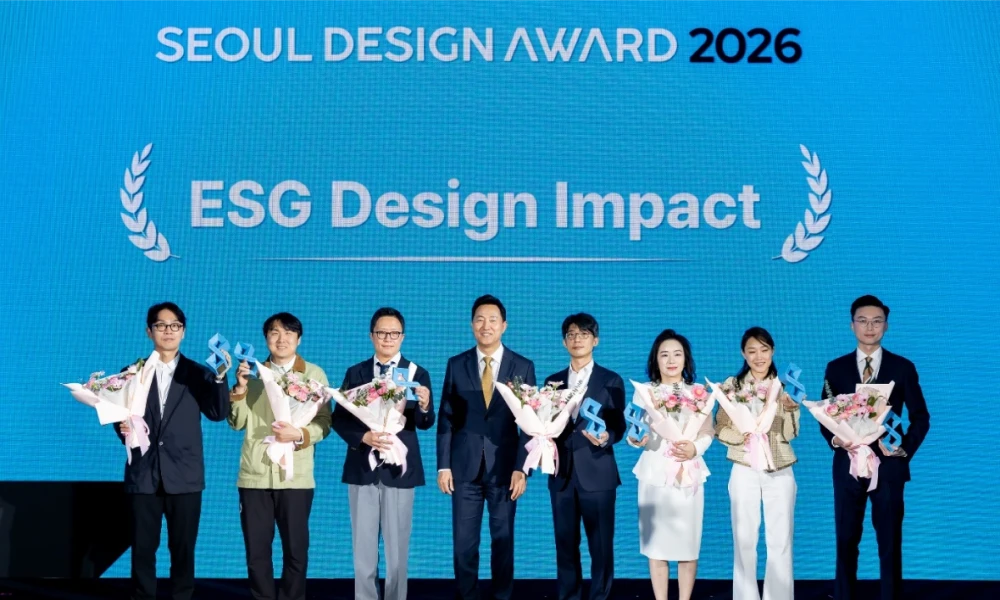
Introduced this year, the ESG Design Impact Award recognizes companies’ sustainability initiatives from a design perspective. Seven companies received the award: Hyundai Motor Company, Patagonia Korea, ATHOME, RHINOSHIELD, Pulmuone, Samsonite, and OpenAI Korea. In the afternoon, the winning companies presented case studies, sharing their initiatives and achievements in resource circularity, environmental protection, and the inclusive use of technology.

In addition, three projects received the designboom Special Prize, selected by the international design publication designboom for offering new solutions to environmental challenges through sustainable materials and resource circularity. The recipients were SMALLrevolution, a closed-loop system that transforms plastic waste into traceable circular resources; Tablì, which proposes a new approach to single-serve coffee through tabs made from 100% pure coffee; and Datecrete, which turns discarded date pits into environmentally friendly building materials. designboom praised Datecrete for its compelling approach to converting organic waste into versatile materials, SMALLrevolution for its scalable circular solution to a global environmental challenge and powerful visual communication, and Tablì for its smart, simple response to environmental issues.

Seoul Design Award 2026 ESG Design Impact Award winners. Phot credit: Seoul Design Foundation

United Nations Environment Programme (UNEP) Circular Design Program: From Products to Industry and Policy

The second session, held in collaboration with the United Nations Environment Programme (UNEP), explored practical approaches to circular design. It examined the role of design in advancing resource circularity, from product production, consumption, and distribution to industry, policy, and the international environmental agenda.

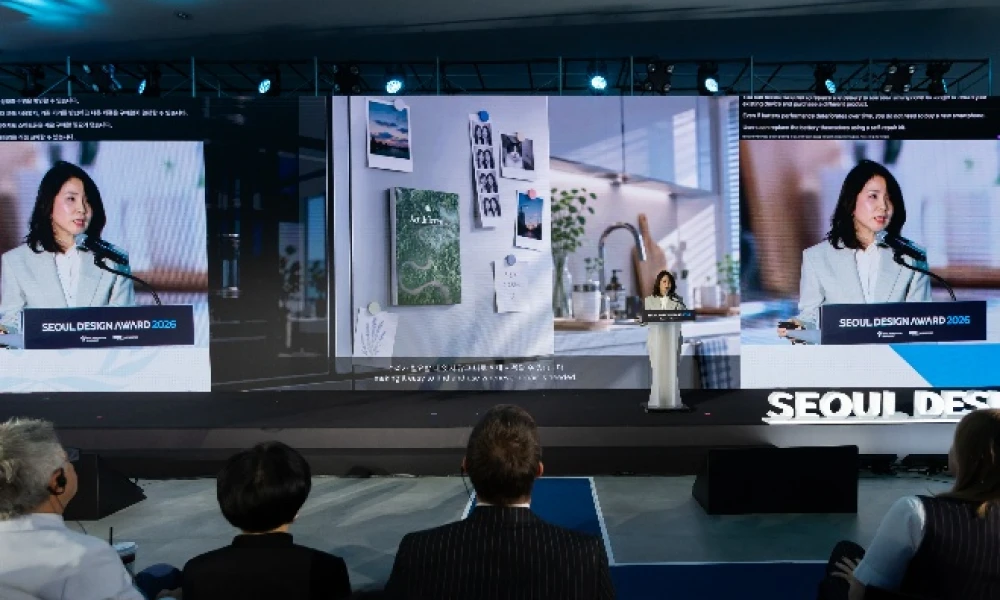
Jaehee Chung, Professor of Service Design at Hongik University’s Graduate School of Industrial Arts, opened with a presentation titled “Consumer Perceptions of Refurbished Phone Purchases: Survey Findings.” The presentation examined consumers’ perceptions of reused products and their attitude to purchases, outlining the conditions needed for circular design to become part of everyday purchasing decisions.

Four experts then gave presentations on “Case Studies in Circular Product Design and the Roles of Different Sectors.”

In “How Media Shapes Environmental Awareness,” Martin Zelger, CEO of DAAily platforms AG, highlighted the role of media in raising awareness of environmental issues and encouraging sustainable practices.

Magdalena Klosek, Expansion and Project Manager at IKEA Korea, presented “Designing for Circular Living,” outlining an approach to circular product design that considers everything from planning, production, and use to repair and reuse.

In “The Role of Design in Realizing a Circular Economy,” Elisa Tonda, Chief of the Resources and Markets Branch in UNEP’s Industry and Economy Division, explained the relationship between design that advances resource circularity and the international environmental agenda.

Sung Chan Ko, Professor in the Department of Industrial Design at Seoul National University of Science and Technology, presented “Designing a Product’s Next Life,” proposing new roles for design in sustainable product development and industrial practice.

A panel discussion titled “The Role of Designers in Putting Circular Design into Practice” followed, moderated by EunSook Kwon, Professor in the School of Industrial Design at Georgia Institute of Technology. From changing consumer perceptions and developing products to corporate production and distribution structures and international environmental policy, the speakers discussed practical ways to make circular design a part of everyday life and industry.

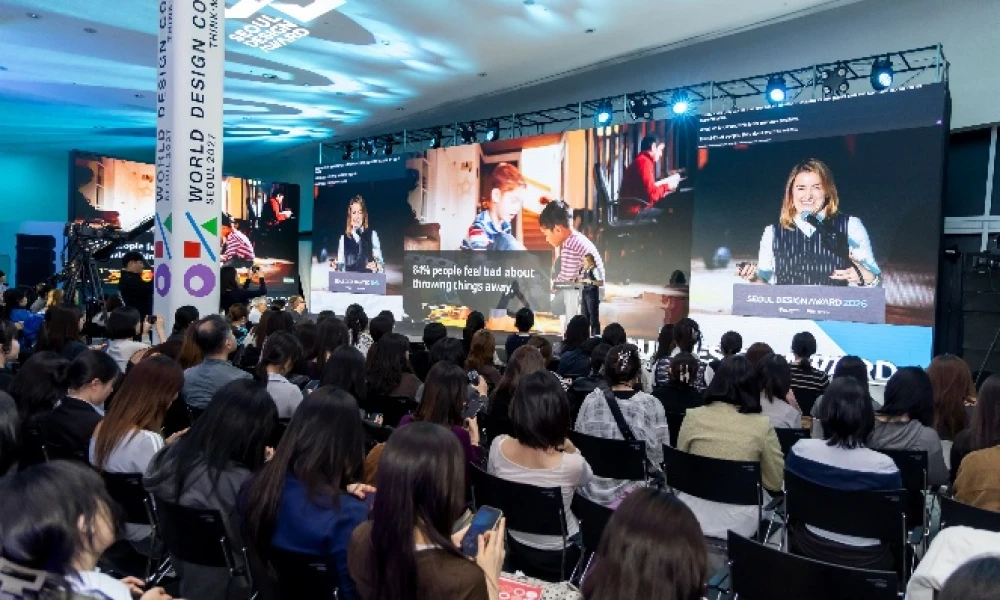
UNEP Circular Design Programme presentations. Photo credit: Seoul Design Foundation

World Design Congress Preview: The Future of Design Coming to Seoul in 2027

The third session, the World Design Congress Seoul Preview, offered an early look at the World Design Congress to be held in Seoul in 2027. It explored the new roles and future possibilities of design amid advances in AI and technology and changes in society and industry.

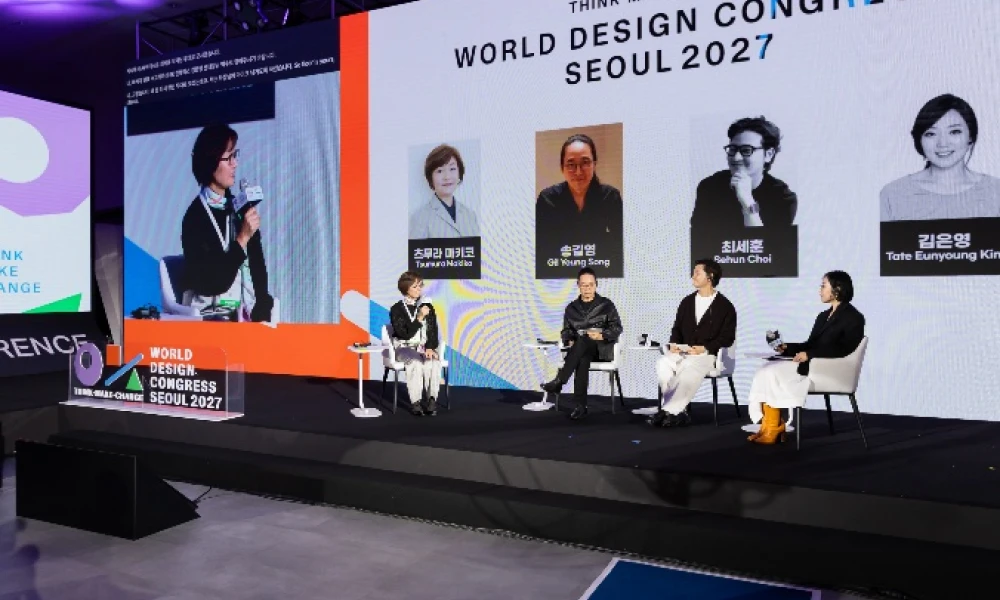
The session began with “The Future Seoul and WDO Build Together,” a welcome speech by Kang Heui Cha, CEO of the Seoul Design Foundation. Talks followed by Makiko Tsumura, President-Elect of World Design Organization (WDO); Gil Young Song, CEO of Sidaeyebo; Sehun Choi, artist at Studio Sehun Choi; and Tate Eunyoung Kim, Head of the Design Innovation Center at SK Intellix.

In “70 Years of Design, Shaping What Comes Next,” Makiko Tsumura reflected on WDO’s past seven decades and emphasized the challenges facing the global design community and the importance of international cooperation. She stressed the need to connect knowledge and experience across disciplines and regions to build a sustainable, inclusive, and resilient future.

In “Forecast of the Times: The Time for Human Endeavor,” Gil Young Song examined the meaning of uniquely human judgment and creativity, and the effort people devote to work they have chosen for themselves, in an era when AI takes over repetitive tasks and the production of standardized outputs.

In “The Power of Creation: Creating New Value in the AI Era,” artist Sehun Choi approached AI as a medium for creating new spaces and experiences, rather than simply a tool for generating images. He emphasized that a creator’s intuition, sensitivity, and imagination matter more than the technology itself.

In “Physical AI in the Home,” Tate Eunyoung Kim, Head of the Design Innovation Center, examined the expansion of artificial intelligence into physical products and living spaces. She outlined how technology will blend naturally into the homes of the future and the design approaches needed to make this possible.

A panel discussion titled “Opening the Future through Design: Seoul at the Center of Change” followed, moderated by Makiko Tsumura. Gil Young Song, Sehun Choi, and Tate Eunyoung Kim discussed the relationship between people and technology in the age of AI, the changing creative environment, and the transformation of future living spaces, while exploring Seoul’s role and potential as host of the World Design Congress 2027.

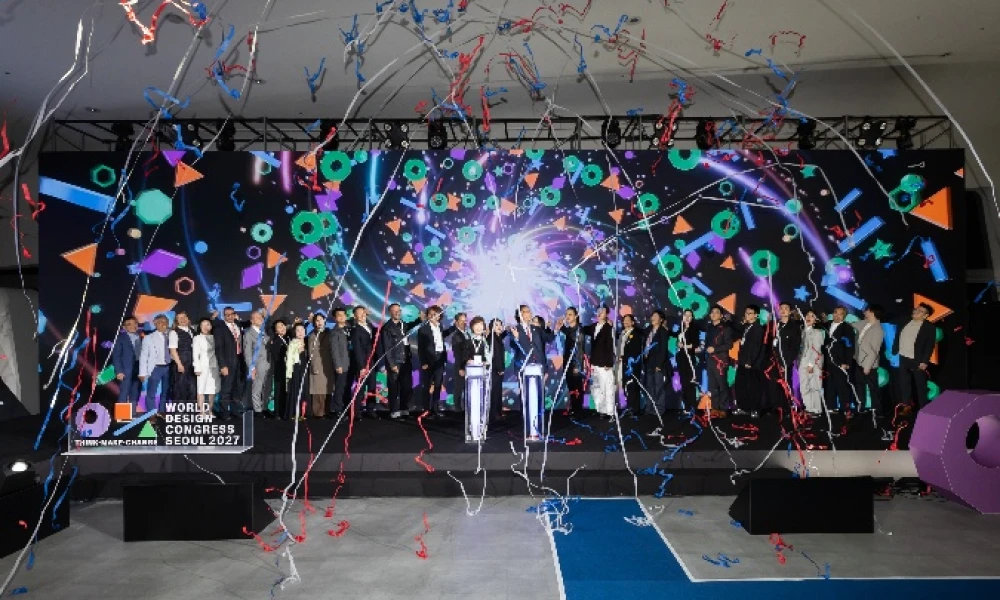
The session concluded with the brand identity launch ceremony for World Design Congress Seoul 2027. The ceremony unveiled the Congress’s theme “Think,. Make. Change,” ahead of the event in Seoul in 2027, a year that will also mark WDO’s 70th anniversary.

In his remarks, Kang Heui Cha, CEO of the Seoul Design Foundation, said: “Seoul now seeks to work with designers around the world to explore the role of design in sustainable living and the new possibilities it can open. Today, as the starting point of that journey, we introduce the World Design Congress’s brand identity. At its heart is the message ‘Think. Make. Change.’ To think, to make, and to bring about change. This theme expresses the direction we hope to shape together with the global design community in Seoul in 2027.”

He further emphasized that the World Design Congress is more than an event for Seoul alone: it is a forum for global exchange where designers, cities, companies, and institutions from around the world come together to discuss the future. A networking program followed the launch ceremony, giving participants an opportunity to share ideas and experiences.

World Design Congress Seoul Preview panel discussion theme launch ceremony. Photo credit: Seoul Design Foundation

Seoul Design Award 2026 Winning Projects Exhibition

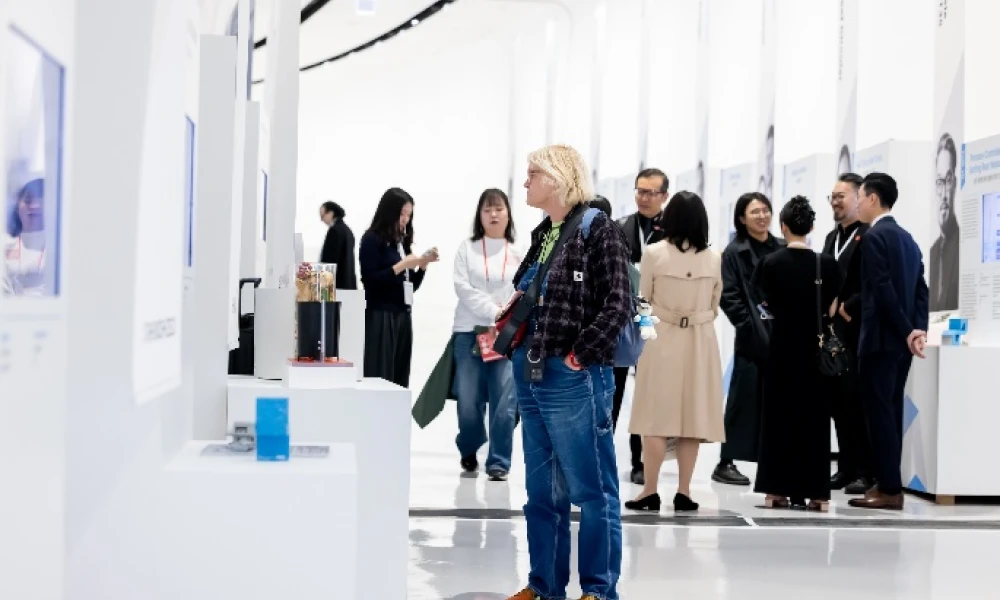
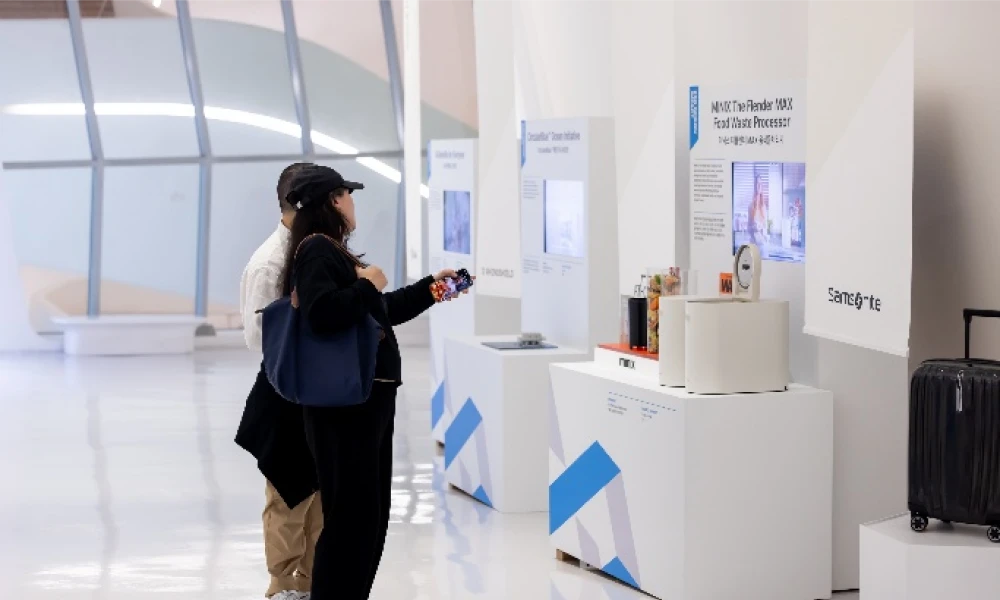
An exhibition of the Seoul Design Award 2026 winning projects accompanied the conference. Held over 12 days from 14 to 25 October on the second floor of the DDP Museum, the exhibition presented 12 projects, including the TOP 10 main award recipients and Young Designer Award winners, case studies from the seven ESG Design Impact Award-winning companies, and circular design prototypes.

Seoul Design Award 2026 Project Exhibition. Photo credit: Seoul Design Foundation

Through award-winning projects spanning healthcare and the environment, cities and communities, and products and services, the exhibition showed visitors how sustainable design is applied in everyday life and in solving social problems. It brought the values and practices discussed at the conference into the exhibition space to share them with a wider audience.

This year’s Seoul Design Conference expanded beyond selecting and honoring outstanding design projects from around the world to explore corporate ESG initiatives, the circular economy, design in the age of AI, and international cooperation. Under the theme ‘Think. Make. Change.’ it connected ideas with concrete action, shared the results with the public, and marked a starting point on the journey toward World Design Congress Seoul 2027.

Tags: , ,