Exhibition, talks and publications: an international project to explore the cultural legacy of the Stile Olivetti and its projection into the future

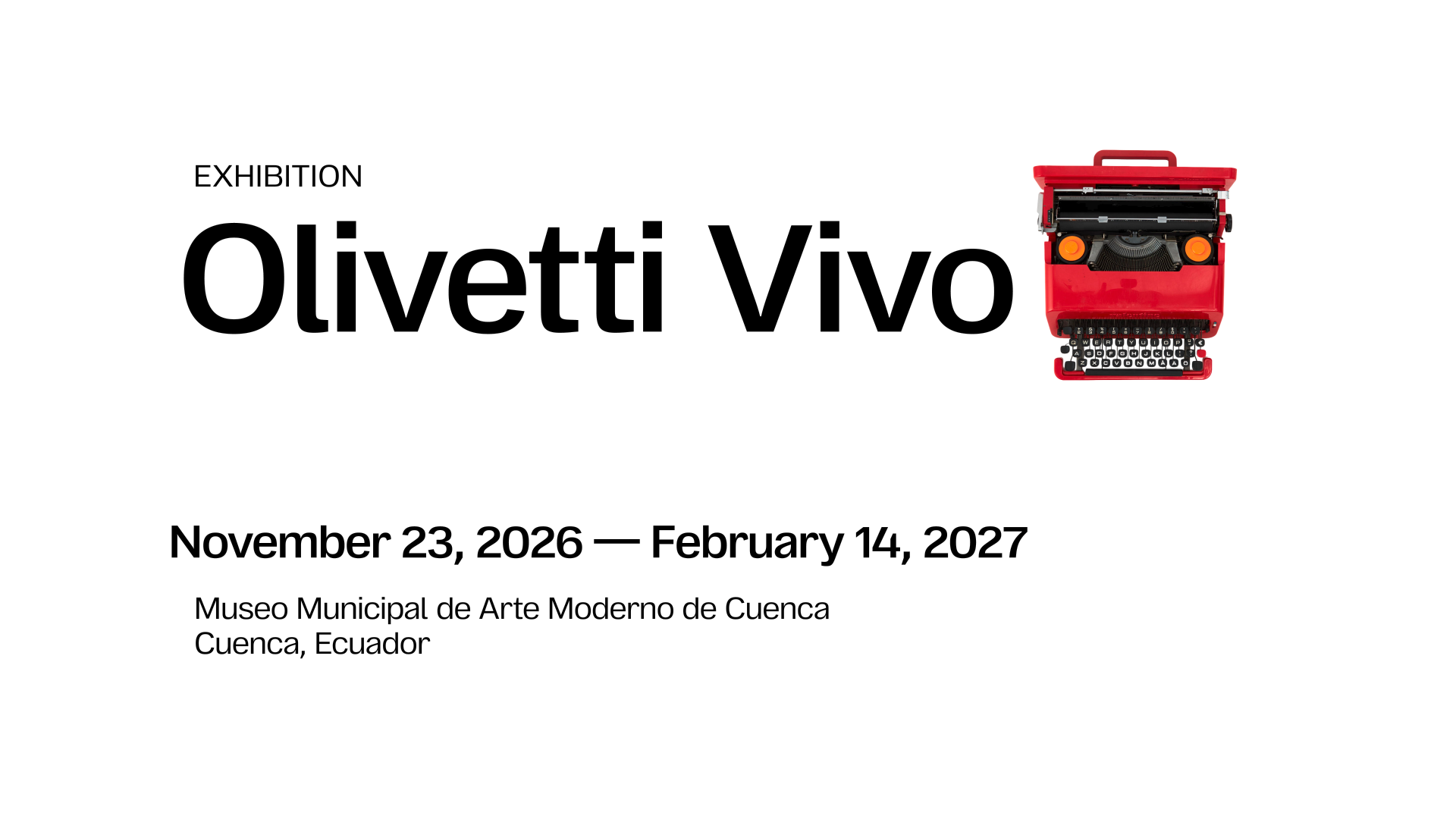
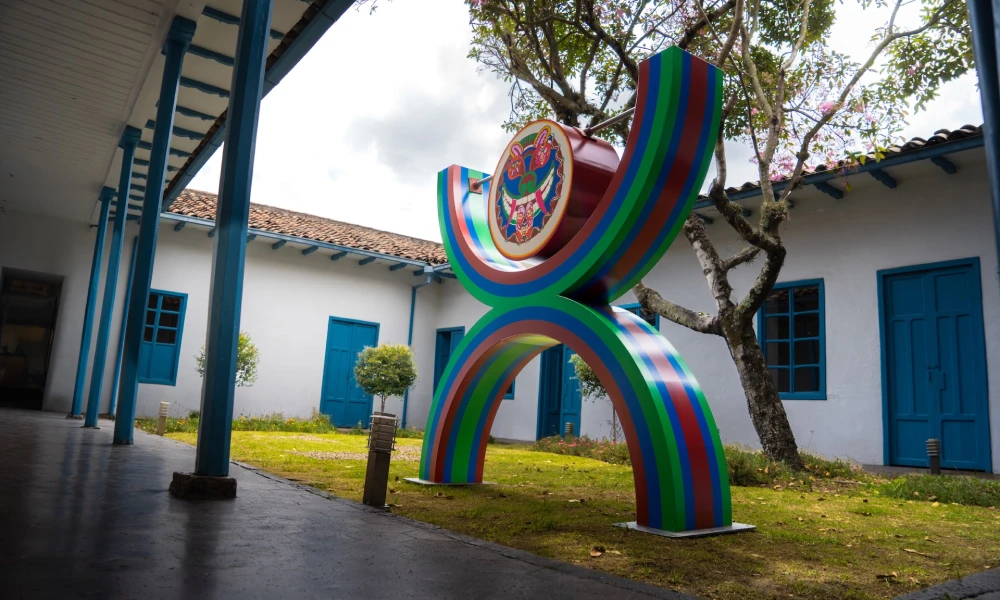
Cuenca (Ecuador), 23 November 2026 – The Stile Olivetti arrives in Ecuador with Olivetti Vivo, the international project running from 23 November 2026 to 14 February 2027 at the Museo Municipal de Arte Moderno de Cuenca, which tells the story and explores the cultural legacy of one of the most significant entrepreneurial experiences in 20th-century Italy, while engaging and inspiring new generations of Latin American designers.

At the heart of the project is the exhibition, open to the public from 25 November, complemented by a program of talks, awards and publications that connects Olivetti’s design culture with new generations of Latin American designers. Promoted by Universidad del Azuay, Associazione Archivio Storico Olivetti, Cappelli Identity Design, DAD-Dipartimento di Architettura e Design del Politecnico di Torino, MEI – Museo Nazionale dell’Emigrazione Italiana, and RUFA, Olivetti Vivo presents, for the first time in this context, a multifaceted account of a model capable of integrating industry, design, architecture, communication, culture and social responsibility.

“With Olivetti Vivo, we aim to build a bridge between one of the most important experiences in Italian industrial and design culture and the new generations of Latin America. Olivetti’s thinking continues to invite us to reflect on the role of the University, Enterprise and Design in building a society in which innovation, culture and responsibility towards people can move forward together.”

Francisco Salgado Arteaga, Rector, Universidad del Azuay

An exhibition looking to the future

Designed by Cappelli Identity Design under the artistic direction of Emanuele Cappelli, the exhibition is based on the concept Proyección hacia el futuro (Projection into the future). Rather than a historical reconstruction, it is a journey that begins with the Olivetti experience and explores its ability to continue generating design culture. The exhibition traces the origins and development of the Stile Olivetti, a corporate culture in which product, architecture, graphic design and communication become parts of a single system, with design playing a central role in shaping corporate identity.

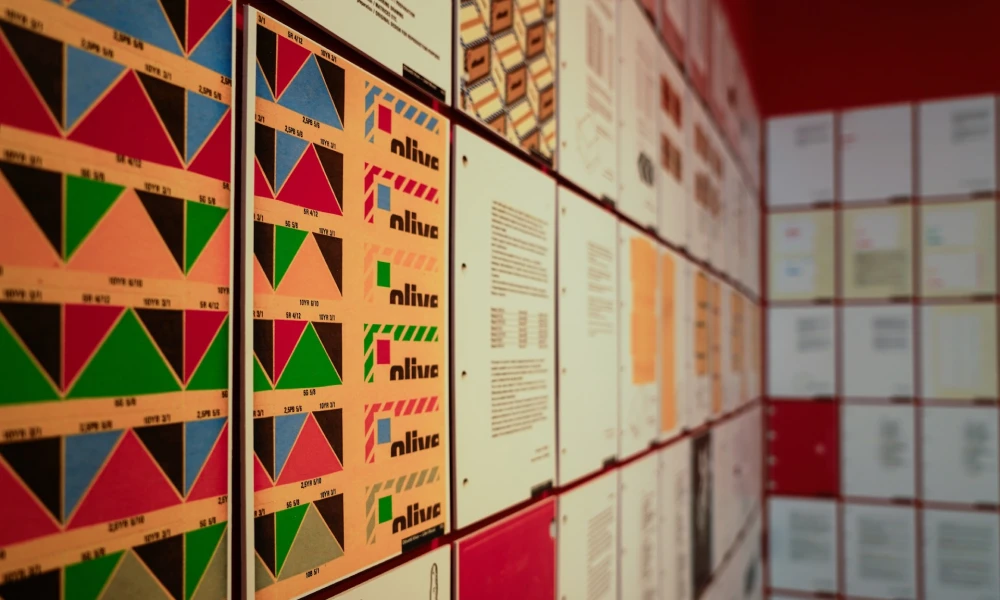
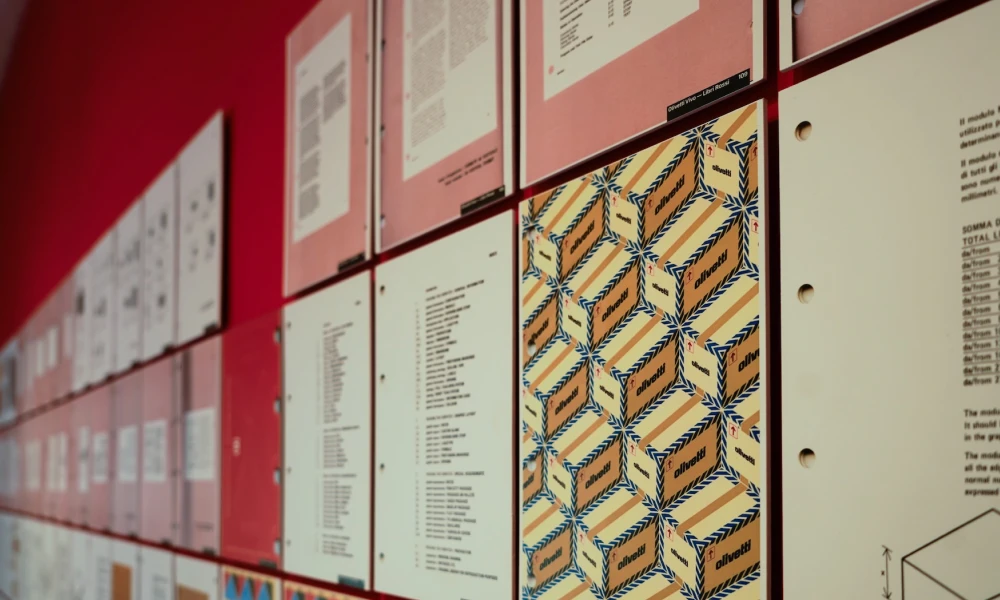
The exhibition, the most extensive dedicated to Olivetti, features thousands of archival documents, posters, photographs, and iconic products that weave a multifaceted narrative around three main themes:

  • the history of the company and the people who made it possible;
  • products and design culture, from typewriters to calculating machines, from advertising to brand identity;
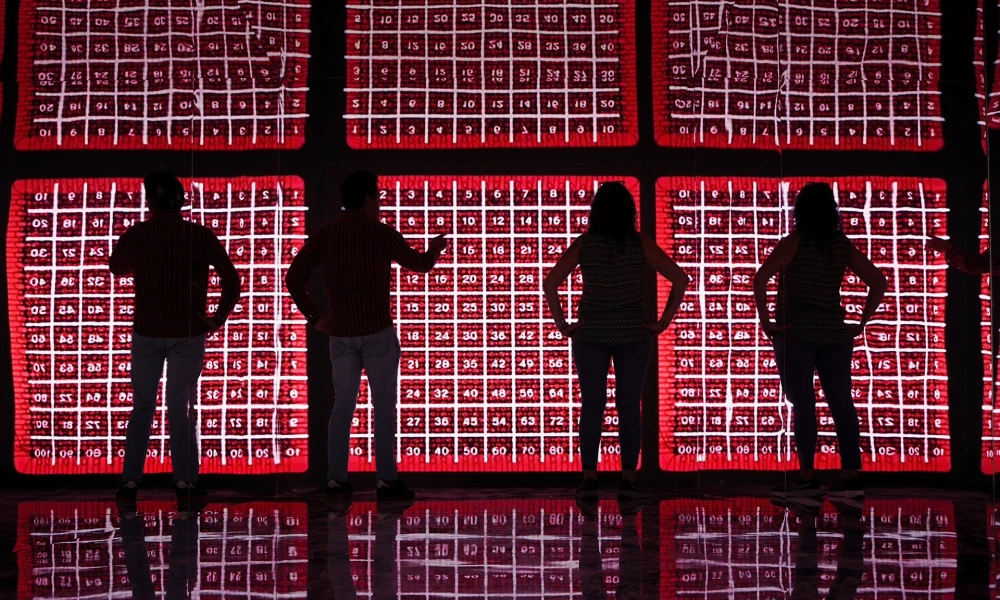
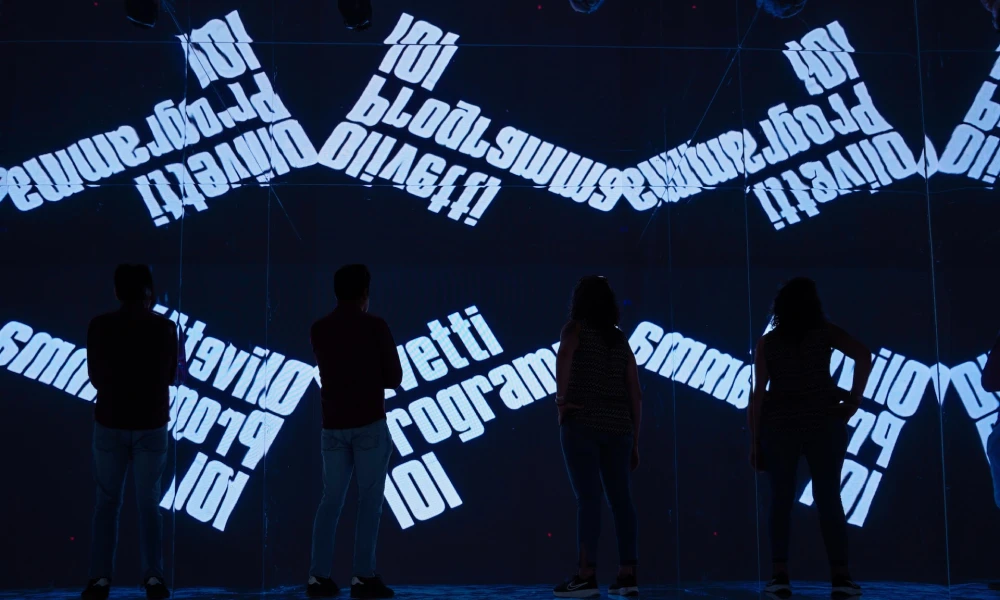
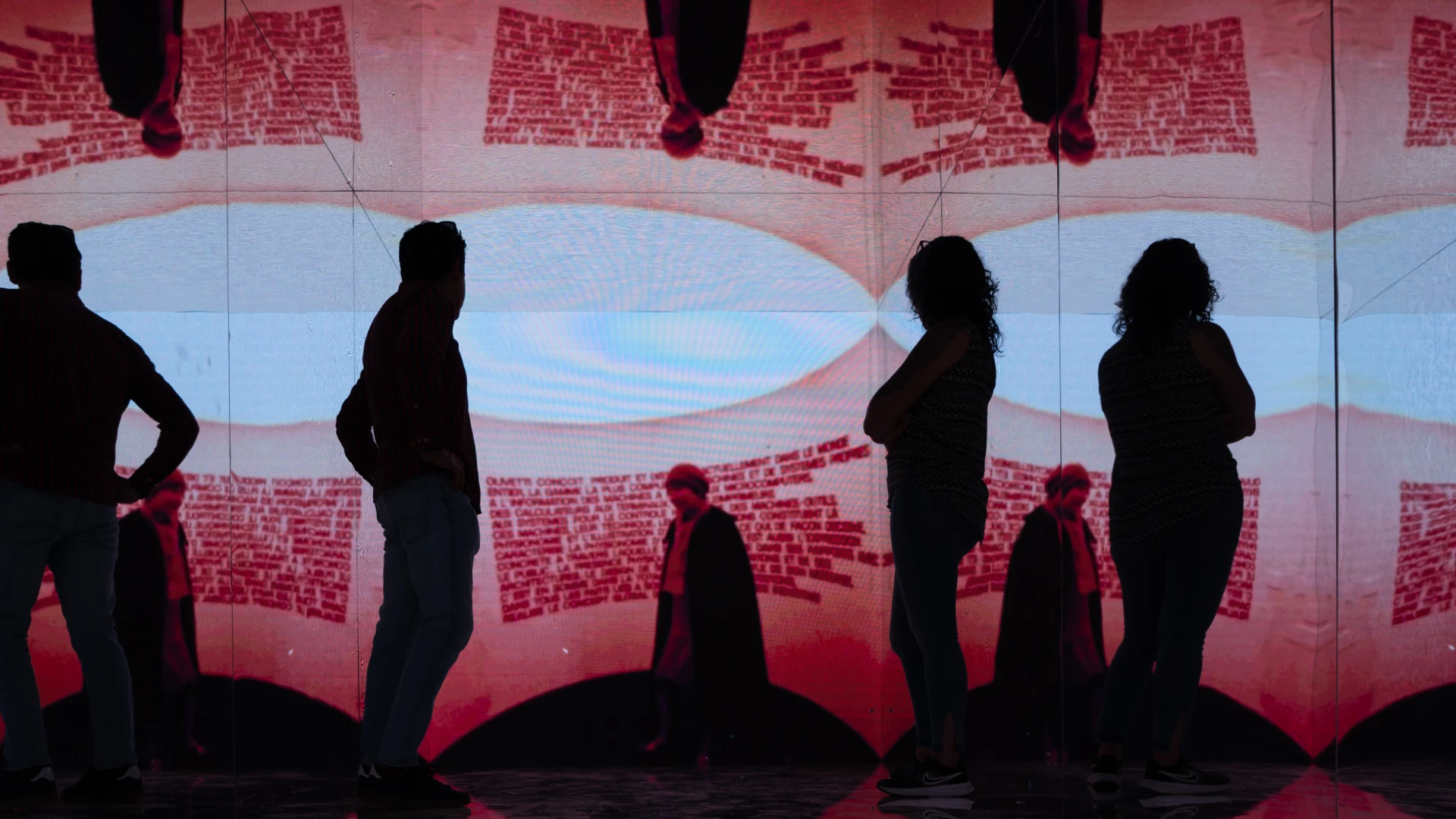
  • experiential and immersive spaces that invite visitors to engage with this legacy through installations, images, videos and workshops curated by PhD researchers.

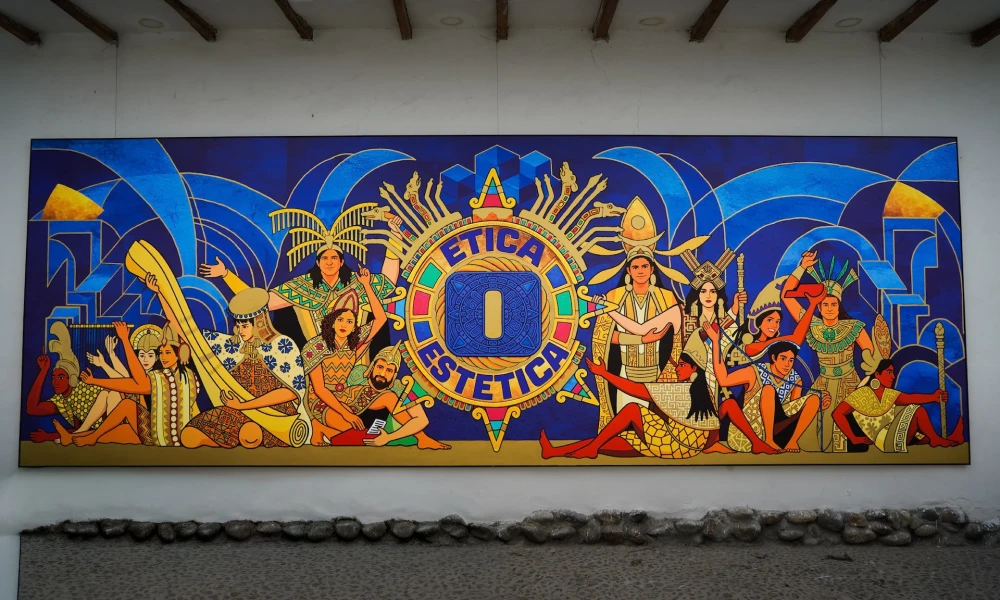
“In the Stile Olivetti, ethics and aesthetics contribute to the same idea of modernity. Form becomes the expression of a vision in which innovation cannot be separated from quality of life and the centrality of the human being. It is in this tension between beauty and function, vision and responsibility, that the Olivetti legacy retains its strength. Olivetti Vivo stems from this very idea: the desire to explore this legacy as something living, capable of generating new visions.”

Emanuele Cappelli, Designer & Founder, Cappelli Identity Design

The historical dimension thus remains in constant dialogue with the contemporary one. The heritage preserved in the archives is not presented as a closed chapter, but as a resource to be explored, interpreted and brought back into circulation.


“The Associazione Archivio Storico Olivetti is not merely a place dedicated to preserving memory, but a vibrant center for cultural production and reflection on the relationship between technology, innovation, and society, creating new connections between the heritage it preserves and the present. The aim is to demonstrate how Olivetti’s cultural model, based on the centrality of the human being, continues to offer concrete insights for addressing contemporary challenges, from artificial intelligence to sustainability, from inclusive innovation to digital transformation. Bringing Olivetti’s history to Ecuador means sharing not only documents, objects, and images, but above all a legacy of ideas and values. Olivetti Vivo shows how this legacy continues to resonate across cultures and generations, supported by experimentation and the full range of digital tools, and helps build a more humane, inclusive, and sustainable future.”

Gaetano di Tondo, President, Associazione Archivio Storico Olivetti


Among the many institutional endorsements, a central role is played by Italy’s Ministry of Culture, with the active participation of the Piano Olivetti per la Cultura, the Ministry’s guiding policy framework inspired by Olivetti’s principles, which views culture as a common good and a means of fostering social development and community cohesion.


“Olivetti Vivo represents an important opportunity to reaffirm the universal value of Adriano Olivetti’s legacy and its remarkable relevance today. His thinking reminds us that enterprise, innovation, culture and social responsibility must work together to build a society that places people and communities at its center. Bringing this experience to Ecuador, through dialogue between institutions, universities and new generations of Latin American designers, means transforming memory into a resource for the future and strengthening cultural dialogue between Italy and Latin America. This is also the purpose of the Piano Olivetti per la Cultura: to build on a valuable legacy and translate its principles into new opportunities for cultural and social growth.”

Stefano Lanna, General Manager, Ministero della Cultura (MiC)


Admission is free, and the program includes screenings of the documentaries Paradigma Olivetti and Prospettiva Olivetti, directed by filmmaker Davide Maffei, which explore the culture and design experience of the Ivrea-based company through the language of cinema. Another icon of Italian design is also on display: the Pipistrello lamp, designed by Gae Aulenti for Martinelli Luce.


“Exploring and interpreting Olivetti’s legacy in Ecuador also means examining the extent to which the cultural, social and entrepreneurial message of the Ivrea-based company was embraced in Latin America. Research conducted to date shows how this model was adopted and reinterpreted across different countries, adapting to local contexts while maintaining a strong connection to the principles and values that shaped the Olivetti experience in Ivrea. Mexico offers a particularly telling example: there, architect Ricardo Legorreta designed a factory that reflected Olivetti’s vision of the workplace as a setting not only for production, but also for life and individual and collective growth, with services for workers and their families ranging from a canteen and library to a nursery and infirmary.”

Pier Paolo Peruccio, Full Professor of Design, Politecnico di Torino
Former Board Member, World Design Organization

Three days of design, culture and education

Photo credit: Cappelli Identity Design and Olivetti

On 23, 24 and 25 November, the international conference will explore Olivetti’s legacy from complementary perspectives.

Among the scheduled talks: “Olivetti 4 Humans” by Gaetano di Tondo, President, Associazione Archivio Storico Olivetti; “Etica Estetica” by Emanuele Cappelli, Founder & Designer, Cappelli Identity Design; “When Culture Becomes a Community Project. Adriano Olivetti’s Legacy and the Experience of the Piano Olivetti per la Cultura” by Stefano Lanna, General Manager, Ministero della Cultura (MiC); “Olivetti in America Latina: design, comunicazione e architettura” by Pier Paolo Peruccio, Full Professor of Design, Politecnico di Torino, Former Board Member, World Design Organization, and “Olivetti Architecture and Design Culture”, introduced by Fabio Mongelli, Architect & Director of RUFA – Rome University of Fine Arts; “OT L22 Type. From Heritage to Identity” by Fabio Zanino, Head of Communication & External Relations at Cappelli Identity Design. The program also includes Lilian Gonzalez, Design Coordinator at Universidad Anáhuac México, former Board Member of the World Design Organization, with “Olivetti as a Device for Hope”. The program concludes with Universidad del Azuay and “Design, Care and Repair”, curated by Anna Tripaldi, Director of Culture Department and Paul Carrión Martínez, Graphic designer and systems engineer.


“Olivetti Vivo was born from the encounter between institutions, disciplines and countries. It is precisely this dimension of exchange that makes the project especially important for our academic community: to engage with a landmark experience in international design culture and, at the same time, to offer students the opportunity to explore those values through their own language and context.”

Toa Tripaldi, Dean of Design and Art, Universidad del Azuay

Photo credit: Cappelli Identity Design and Olivetti

«Ser al Centro»: the Stile Olivetti according to the new LATAM generations

This dialogue finds one of its most direct expressions in Ser al Centro, the international contest for Latin American design students promoted by Universidad del Azuay and Cappelli Identity Design. The competition involved more than 179 students, generating over 129 projects – from Colombia, Costa Rica, Ecuador, and Mexico – inviting them to reinterpret, through a poster, one of the core principles of Olivetti culture: placing people and the community at the center. The finalist projects, selected by an international jury, now become part of the Olivetti Vivo exhibition and will be displayed at the Museo Municipal de Arte Moderno de Cuenca, symbolically connecting the exhibition’s historical materials with the perspectives of a new generation of designers. Three projects will receive the Gold, Silver and Bronze awards.

Publications as an evolving legacy of the project

Photo credit: Cappelli Identity Design and Olivetti

The commitment to making Olivetti culture accessible and shareable continues through an editorial project that accompanies the exhibition. This choice reflects a principle deeply rooted in the Olivetti experience: culture not as a privilege, but as a shared heritage made available to the community. All the publications also use OT L22 Type, the typeface specifically designed for Associazione Archivio Storico Olivetti and applied to the dynamic identity of Olivetti Vivo and to its social and digital storytelling.

The publications presented in Cuenca include:

  • Cappelli Identity Design’s Dynamic brand design method, published in Spanish for the first time;
  • the publication dedicated to the Archivi Olivetti Dynamic brand manual project, the result of applying the Dynamic brand method to the identity of Associazione Archivio Storico Olivetti;
  • a new Spanish-language edition of Design Process Olivetti 1908-1983, under the title Proceso de Diseño Olivetti 1908-1983, showing how the Stile Olivetti could permeate every discipline: industrial design, identification systems, typeface design, cultural activities, graphic design & advertising, interior design, architectural design and exhibition design.


“The publications allow Olivetti Vivo to continue beyond the space and time of the exhibition. Bringing these contents and experiences to Latin America means making a design heritage that belongs to history accessible to a new audience, while preserving its extraordinary ability to speak to the present and the future.”
Anna Tripaldi, Director of Culture Department, Universidad del Azuay


All publications will be available at the exhibition shop and in the digital catalog of Casa Editora – Universidad del Azuay.

Tags: , ,