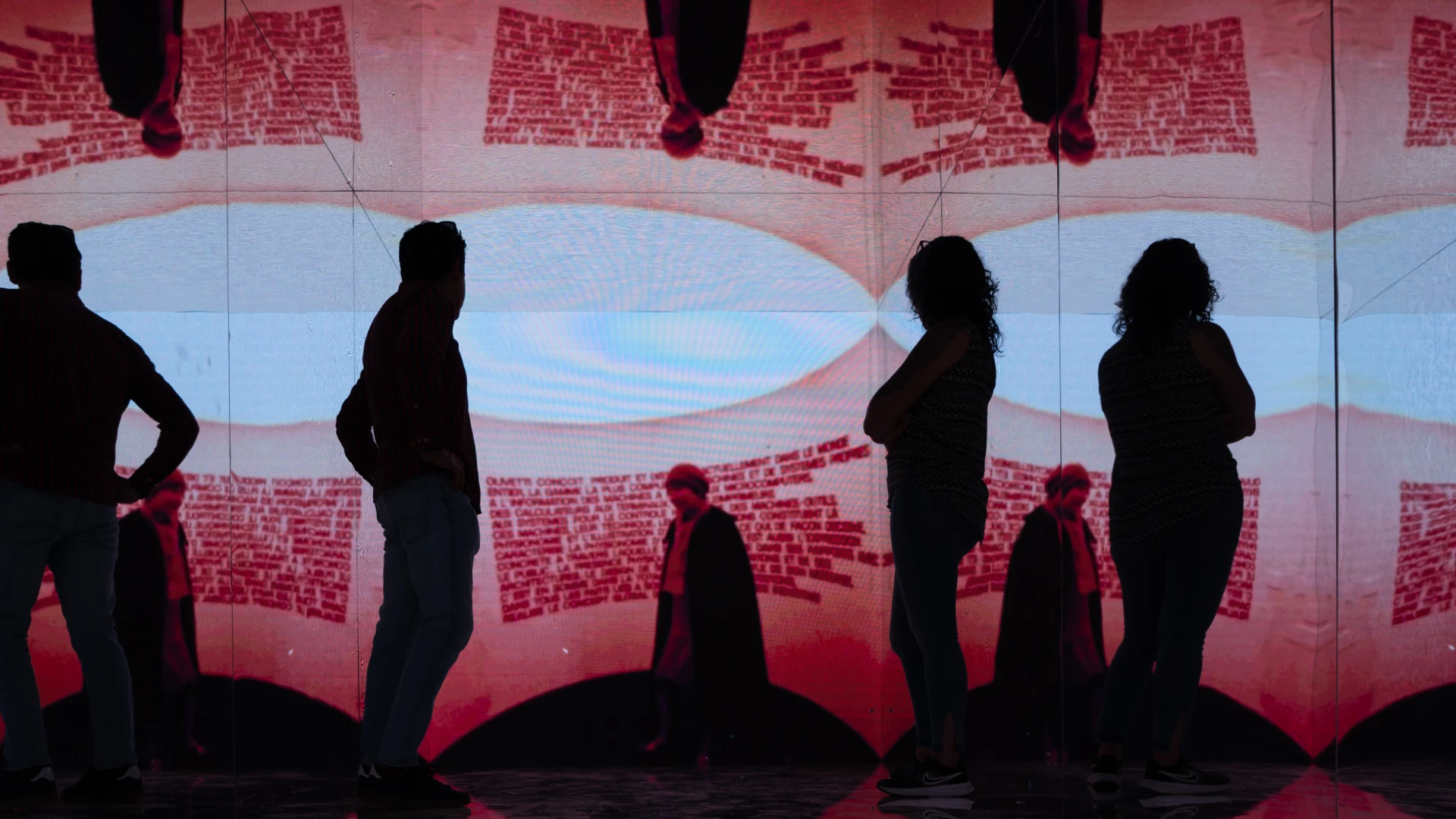
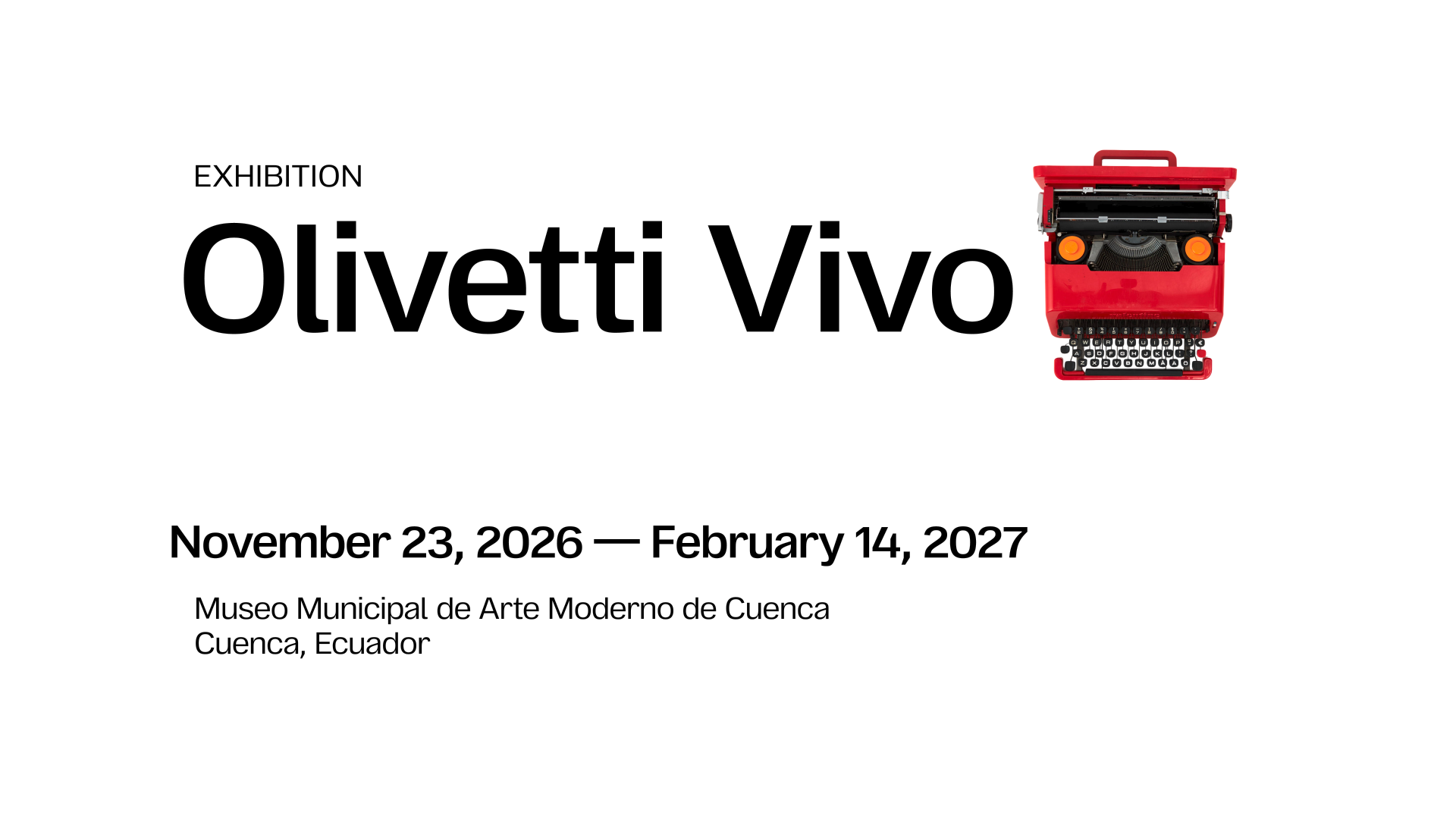
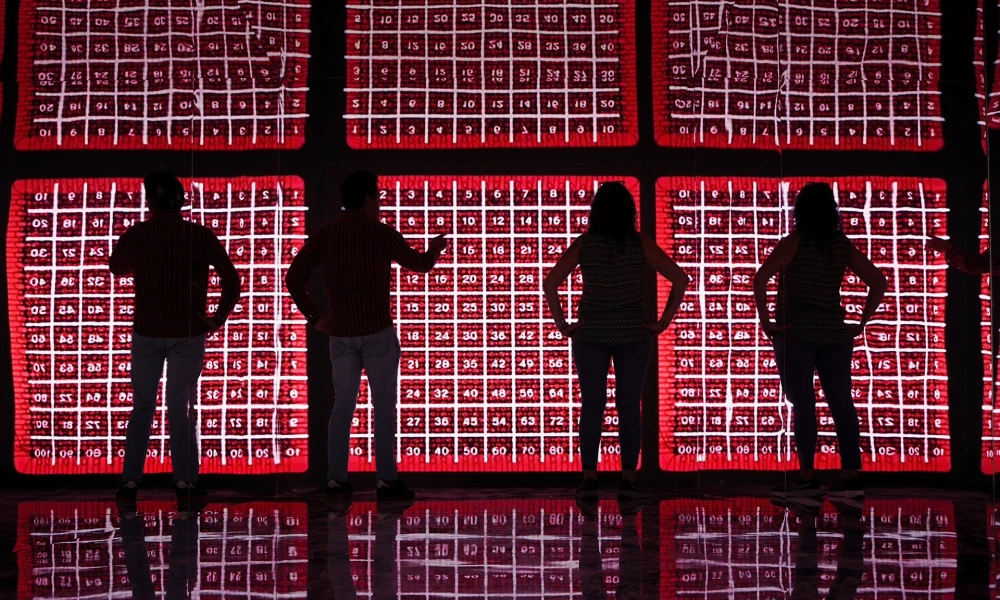
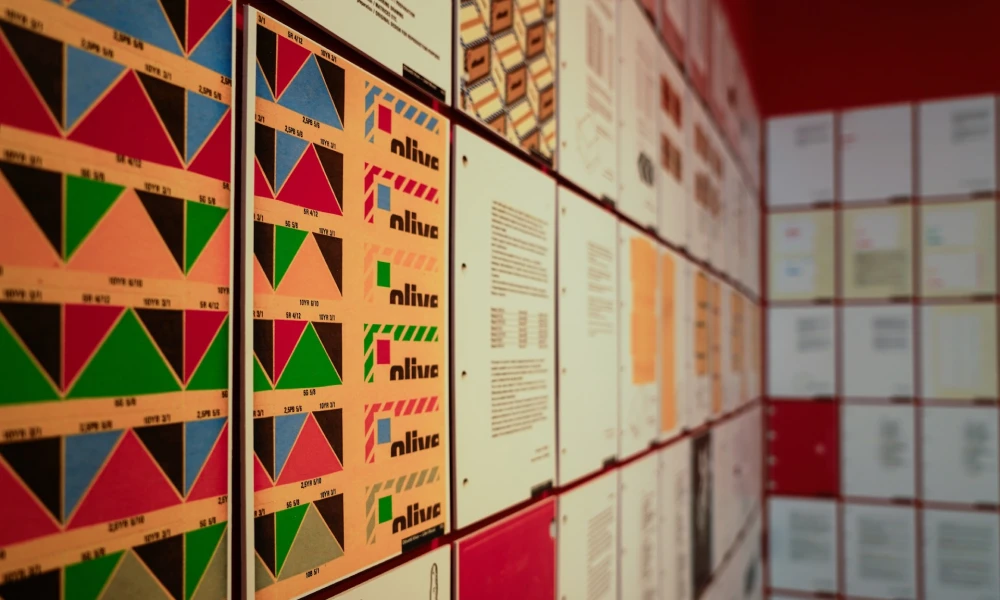
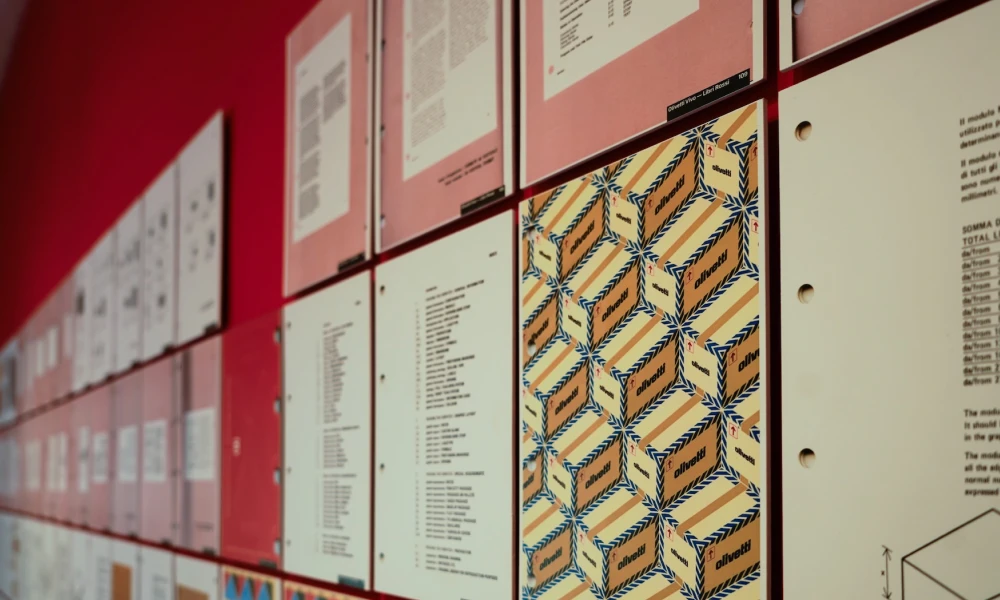
The historical dimension thus remains in constant dialogue with the contemporary one. The heritage preserved in the archives is not presented as a closed chapter, but as a resource to be explored, interpreted and brought back into circulation.
“The Associazione Archivio Storico Olivetti is not merely a place dedicated to preserving memory, but a vibrant center for cultural production and reflection on the relationship between technology, innovation, and society, creating new connections between the heritage it preserves and the present. The aim is to demonstrate how Olivetti’s cultural model, based on the centrality of the human being, continues to offer concrete insights for addressing contemporary challenges, from artificial intelligence to sustainability, from inclusive innovation to digital transformation. Bringing Olivetti’s history to Ecuador means sharing not only documents, objects, and images, but above all a legacy of ideas and values. Olivetti Vivo shows how this legacy continues to resonate across cultures and generations, supported by experimentation and the full range of digital tools, and helps build a more humane, inclusive, and sustainable future.”
Gaetano di Tondo, President, Associazione Archivio Storico Olivetti
Among the many institutional endorsements, a central role is played by Italy’s Ministry of Culture, with the active participation of the Piano Olivetti per la Cultura, the Ministry’s guiding policy framework inspired by Olivetti’s principles, which views culture as a common good and a means of fostering social development and community cohesion.
“Olivetti Vivo represents an important opportunity to reaffirm the universal value of Adriano Olivetti’s legacy and its remarkable relevance today. His thinking reminds us that enterprise, innovation, culture and social responsibility must work together to build a society that places people and communities at its center. Bringing this experience to Ecuador, through dialogue between institutions, universities and new generations of Latin American designers, means transforming memory into a resource for the future and strengthening cultural dialogue between Italy and Latin America. This is also the purpose of the Piano Olivetti per la Cultura: to build on a valuable legacy and translate its principles into new opportunities for cultural and social growth.”
Stefano Lanna, General Manager, Ministero della Cultura (MiC)
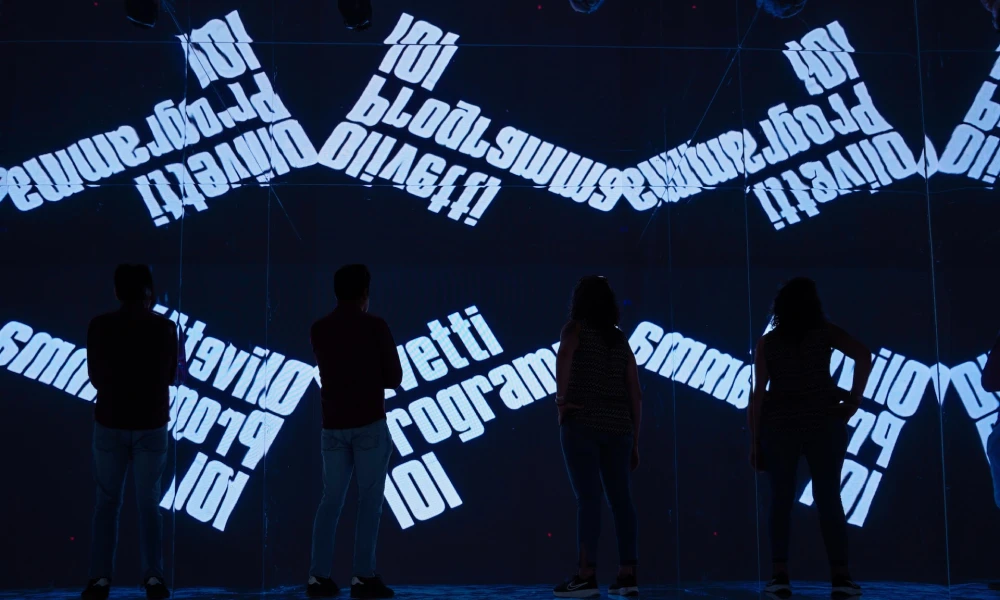
Admission is free, and the program includes screenings of the documentaries Paradigma Olivetti and Prospettiva Olivetti, directed by filmmaker Davide Maffei, which explore the culture and design experience of the Ivrea-based company through the language of cinema. Another icon of Italian design is also on display: the Pipistrello lamp, designed by Gae Aulenti for Martinelli Luce.
“Exploring and interpreting Olivetti’s legacy in Ecuador also means examining the extent to which the cultural, social and entrepreneurial message of the Ivrea-based company was embraced in Latin America. Research conducted to date shows how this model was adopted and reinterpreted across different countries, adapting to local contexts while maintaining a strong connection to the principles and values that shaped the Olivetti experience in Ivrea. Mexico offers a particularly telling example: there, architect Ricardo Legorreta designed a factory that reflected Olivetti’s vision of the workplace as a setting not only for production, but also for life and individual and collective growth, with services for workers and their families ranging from a canteen and library to a nursery and infirmary.”
Pier Paolo Peruccio, Full Professor of Design, Politecnico di Torino
Former Board Member, World Design Organization