
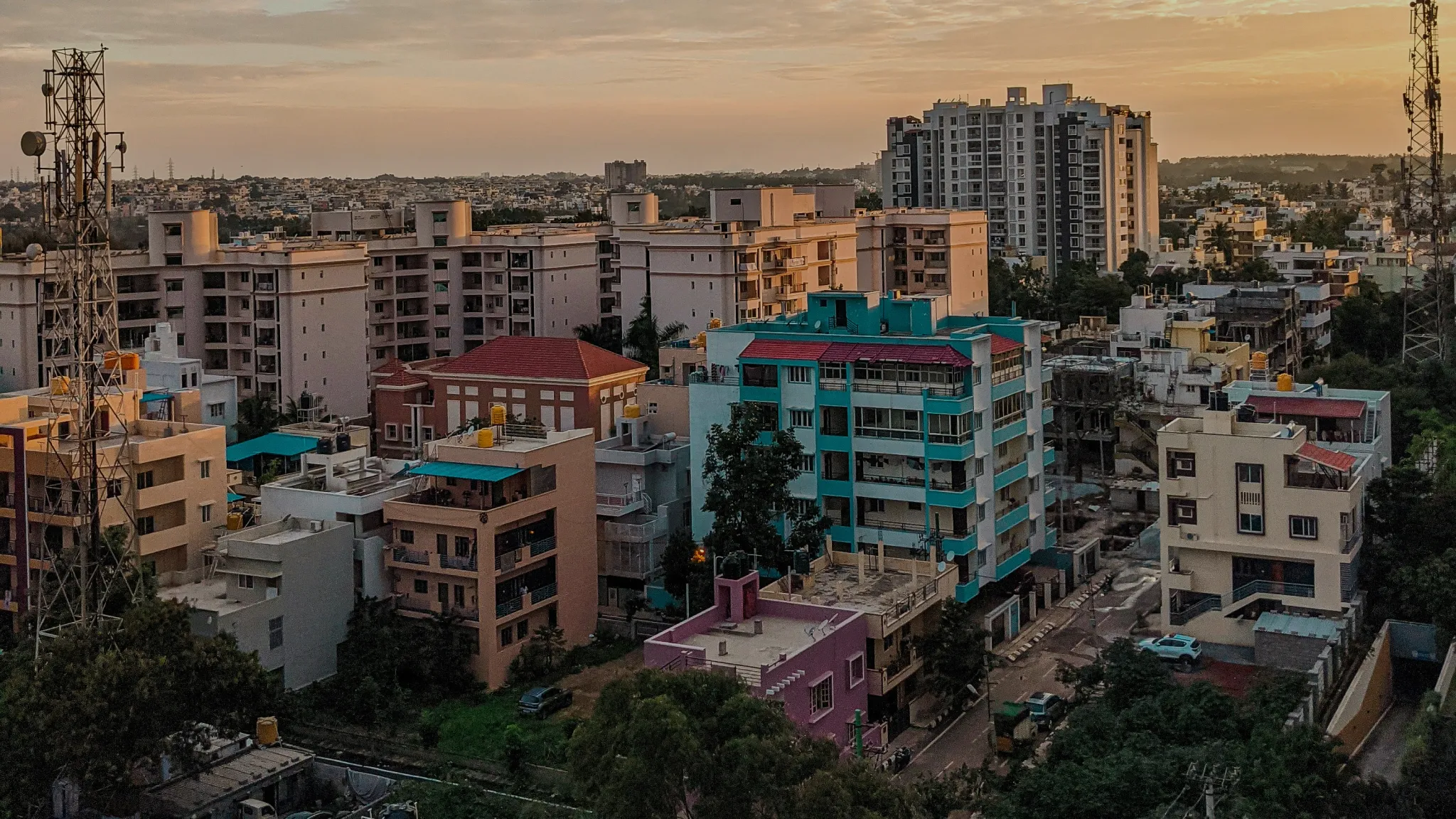
Photo credit: Vishwanth Pindiboina, unsplash.com
Designing urban resilience in
World Design Protopolis Bengaluru
Resilience is commonly associated with recovery after hardship. In the context of rapidly evolving cities, however, resilience becomes a design lens and a way of navigating complex issues such as mobility, infrastructure pressures, urban growth, and shifting socio-economic realities. Rather than focusing solely on the end goal, designing for resilience places greater emphasis on the ongoing process of adaptation and transformation.
It is through this lens that the World Design Protopolis (WDP)™ Bengaluru programme imagines the city’s future. Established by World Design Organization, and delivered through a collaborative network of partners, including the Greater Bengaluru Authority (GBA), Government of Karnataka, the Bengaluru chapter of the Association of Designers of India (ADI) and Srishti Manipal Institute of Art, Design and Technology, World Design Protopolis Bengaluru harnesses design as a tool for addressing urban challenges and improving civic quality of life.
At its core, the programme recognizes cities not as fixed entities but as dynamic systems shaped by lived experiences. Using resilience as a design practice, it asks: how can cities continue to evolve while preserving what matters?
“Cities are dynamic systems where people, nature, infrastructure and governance continuously interact and shape one another. Thinking of a city as a living prototype recognizes that it is never finished, allowing designers to create solutions grounded in the lived reality of the city and community.”
– Jacob Mathew, President of the Association of Designers of India, Bengaluru chapter
By viewing Bengaluru city as a living prototype, World Design Protopolis highlights a participatory approach to designing solutions through partnerships with communities, governments and institutions. Currently, the programme is focusing on three precincts across the city to explore: what does resilience look like at the scale of an entire city?
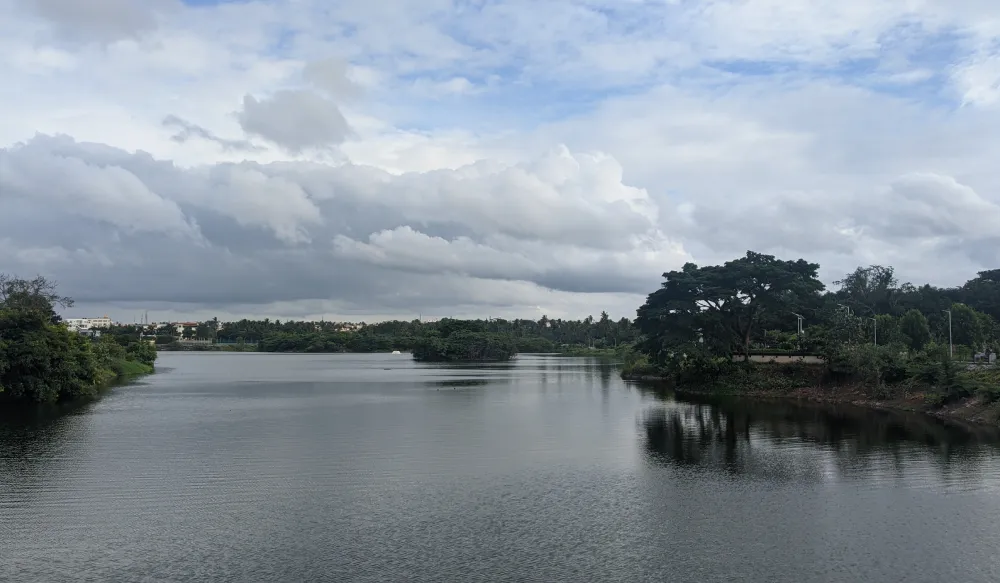
At Hebbal Lake, the programme explores ecological resilience. The right to ecological connection. Hebbal Lake region is a busy interstate transit hub as well as a significant ecological asset for the city. The project highlights connecting the city’s unutilized natural asset, the lake, to its citizens while making it safe and accessible for community engagement. It looks at ecological stewardship, and how infrastructure needs can be met while protecting an ecological landscape and cultivating a shared responsibility with the community.
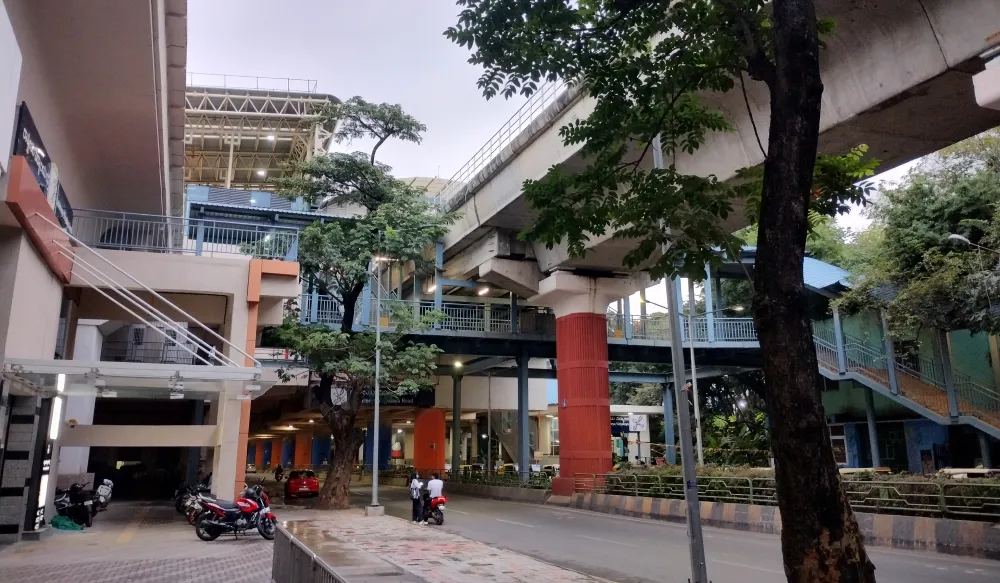
At RV Road metro station, the programme embraces shared urban experience and social resilience. The right to social connection. RV Road metro station is a bustling transit hub experiencing heavy footfalls with proximity to major educational institutions and residential complexes. The project reimagines transit hubs as dual spaces, as easy to access mobility infrastructure and as opportunities to support community life in the city. It focuses on wayfinding and signage design, along with transforming a part of the metro station into a social and cultural engagement hub. In doing so, it recognizes that resilient urban cities have a thriving social and civic culture. It examines how cities can continue to create meaningful places for public interactions?
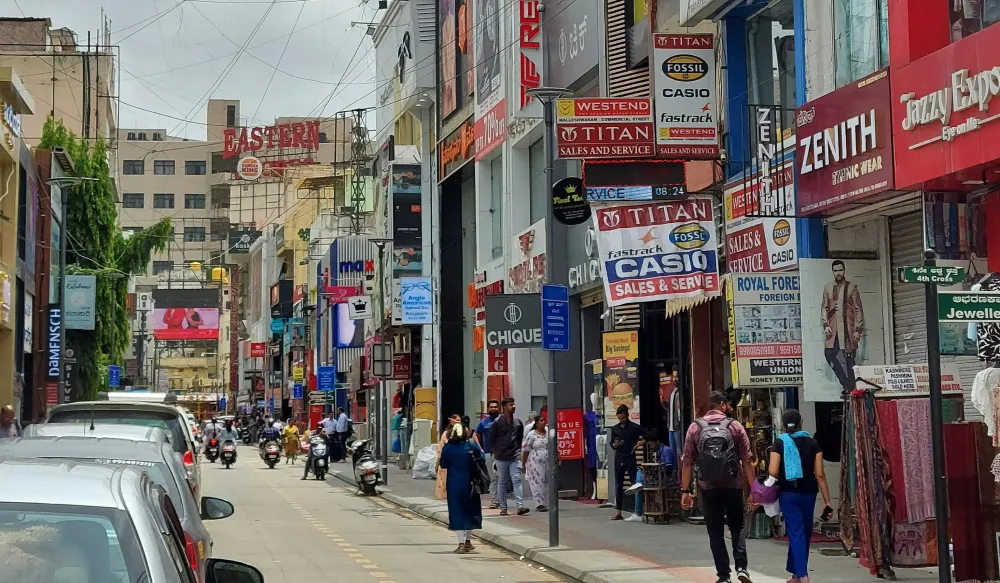
At Ward 129, the programme reimagines economic dignity and cultural resilience. The right to livelihood and identity. Ward 129 is a dense and bustling network of commercial streets, cultural activities and longstanding local businesses. With a focus on place-based identity, the project has a two-fold objective: to enhance visibility of local crafts by bringing a curated showcase to the forefront of the marketplace, and to preserve the livelihoods of local businesses and hawkers. It explores a new identity of the commercial hub asking, how can culturally relevant commercial districts evolve without losing their identity?
As the first city to be designated World Design Protopolis, Bengaluru offers a glimpse into how resilience can help communities respond to change and evolve alongside growing needs. Through a series of initiatives and key moments, including the upcoming Conclave Design Summit in September 2026, the programme positions the city as a living prototype, emphasizing the relationship between people, communities, culture and shared values. In doing so, it continues to explore how cities can navigate change while preserving the local character and identity that make them unique.


